



Error occured during this request! Please try again later.
The UK’s recent mammoth debate in the Commons on the Kurdistan Region showed a tough-minded group of parliamentarians ready to support the Kurdistani people based on their extensive experience of the country. Most who spoke, including the representatives of the government and the official opposition, have visited Kurdistan at least once.
MPs in the all-party parliamentary group strongly supported the right to the referendum. The new Chairman of the APPG, Jack Lopresti said that “Iraqi federalism has sadly failed and cannot be revived, because the Shia majority has no appetite for federalism or minority rights.”
Robert Halfon MP, the former head of the Kurdistan Genocide Task Force that helped secure official parliamentary recognition of Anfal, added that “the mentality that allowed thousands of soldiers to conduct genocide is still obvious in the condescending and high-handed manner in which the Kurds are treated by Baghdad.”
Nadhim Zahawi agreed “that the people of Iraqi Kurdistan have an inalienable right to self-determination,” but worried that “without the prior resolution of the regions’ statuses, Baghdad or Erbil will use the treatment or inclusion of those regions as a means to negate the result or make the referendum illegitimate.”
He added that despite “painting a rather bleak picture of a post-referendum Iraqi Kurdistan,” he was optimistic about “either total devolution in the case of independence or more devolution in order to placate the unsuccessful side in the case of a no vote.”
Lopresti used direct observations of the military struggle to make a powerful point: “the story of how the Kurds eventually united with the Iraqi army against Daesh [ISIS] is instructive. When I visited the Kirkuk frontline in November 2015, I was told that there was no co-ordination, or indeed any communication, between the Peshmerga and the Iraqi army. A year later, with western support the two forces concluded a deal to continue to drive Daesh out of Mosul, and I saw for myself the result of that deal last November, both on the road to Mosul and inside Mosul.”
The APPG Chairman also argued that the defeat of Daesh on the battlefield should prompt a reckoning on how it emerged in the first place, including how repressing Sunni civil rights protests radicalised Sunnis who also concluded that how the Kurds were treated by their old Shia allies showed the impossibility of peaceful change for them. He added that as that the old centralising is in contention “it would be odd – bizarre, even – if the status of Kurdistan was not part of the conversation after Daesh.”
MPs praised Kurdistan's selflessly caring for internally displaced people, being a beacon of moderation and pluralism and support for western values by fighting Daesh. But they pulled no punches in detailing the inefficient nature of the Kurdistani economy – massive state employment, little productivity, a miniscule private sector and an almost complete reliance on energy revenues. And they urged a resolution of the political disputes including the reactivation of parliament.
Lopresti raised specific issues that the APPG is campaigning on: asking the UK government to provide free beds at its specialist hospital in Birmingham for the most seriously injured and “gallant, brave, wonderful” Peshmerga, improving the vexed visa application system for Kurds seeking to visit the UK, and kick-starting a bilateral KRG/UK committee which was overtaken by the Daesh crisis. He also urged the Government to invite the KRG Prime Minister or new President to meet the UK Prime Minister.
Other MPs raised issues highlighted in delegations. They included Mary Glindon MP's plea to help boost psychologists in Iraq and Kurdistan. She also highlighted how the struggle of the Kurds has captured the hearts and minds of British people who are practising their own version of diplomacy, and cited the work of the Newcastle Gateshead Medical Volunteers in literally putting Kurds back on their own two feet through many free hip and knee operations.
Halfon praised “the beginnings of a vibrant civil society” and backed the Kurdistani unions “in developing sharp elbows to ensure that working people get a fair slice of the cake.”
Labour's Tracy Brabin argued that one way “to heal psychological wounds can be through culture, which can be a force for rebellion and resistance, as well as for rebuilding empathy and tolerance in communities” and urged British support to help build a Kurdistani film industry.
Fabian Hamilton for the Official Opposition concluded that Labour “will recognise the result of the referendum if we are convinced that it is conducted openly and honestly, and freely and fairly – that, of course, will require international observers – and if the borders of Kurdistan are agreed and recognised internationally.”
The Middle East Minister Alistair Burt reiterated the UK's policy that “supporting a more stable, inclusive and prosperous country includes supporting a strong and successful Kurdistan region within a unified Iraq,” and that the Kurds are “a close friend and key ally of the UK.”
The debate can be read in full here.
The latest APPG report on its delegation last November to Kurdistan and to Mosul can be read here.
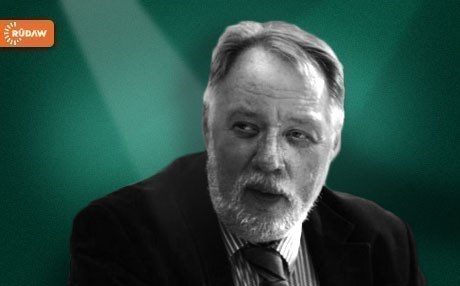
Gary Kent is the director of All Party Parliamentary Group (APPG). He writes this column for Rudaw in a personal capacity. The address for the all-party group is appgkurdistan@gmail.com. The views expressed in this article are those of the author and do not necessarily reflect the position of Rudaw.
MPs in the all-party parliamentary group strongly supported the right to the referendum. The new Chairman of the APPG, Jack Lopresti said that “Iraqi federalism has sadly failed and cannot be revived, because the Shia majority has no appetite for federalism or minority rights.”
Robert Halfon MP, the former head of the Kurdistan Genocide Task Force that helped secure official parliamentary recognition of Anfal, added that “the mentality that allowed thousands of soldiers to conduct genocide is still obvious in the condescending and high-handed manner in which the Kurds are treated by Baghdad.”
Nadhim Zahawi agreed “that the people of Iraqi Kurdistan have an inalienable right to self-determination,” but worried that “without the prior resolution of the regions’ statuses, Baghdad or Erbil will use the treatment or inclusion of those regions as a means to negate the result or make the referendum illegitimate.”
He added that despite “painting a rather bleak picture of a post-referendum Iraqi Kurdistan,” he was optimistic about “either total devolution in the case of independence or more devolution in order to placate the unsuccessful side in the case of a no vote.”
Lopresti used direct observations of the military struggle to make a powerful point: “the story of how the Kurds eventually united with the Iraqi army against Daesh [ISIS] is instructive. When I visited the Kirkuk frontline in November 2015, I was told that there was no co-ordination, or indeed any communication, between the Peshmerga and the Iraqi army. A year later, with western support the two forces concluded a deal to continue to drive Daesh out of Mosul, and I saw for myself the result of that deal last November, both on the road to Mosul and inside Mosul.”
The APPG Chairman also argued that the defeat of Daesh on the battlefield should prompt a reckoning on how it emerged in the first place, including how repressing Sunni civil rights protests radicalised Sunnis who also concluded that how the Kurds were treated by their old Shia allies showed the impossibility of peaceful change for them. He added that as that the old centralising is in contention “it would be odd – bizarre, even – if the status of Kurdistan was not part of the conversation after Daesh.”
MPs praised Kurdistan's selflessly caring for internally displaced people, being a beacon of moderation and pluralism and support for western values by fighting Daesh. But they pulled no punches in detailing the inefficient nature of the Kurdistani economy – massive state employment, little productivity, a miniscule private sector and an almost complete reliance on energy revenues. And they urged a resolution of the political disputes including the reactivation of parliament.
Lopresti raised specific issues that the APPG is campaigning on: asking the UK government to provide free beds at its specialist hospital in Birmingham for the most seriously injured and “gallant, brave, wonderful” Peshmerga, improving the vexed visa application system for Kurds seeking to visit the UK, and kick-starting a bilateral KRG/UK committee which was overtaken by the Daesh crisis. He also urged the Government to invite the KRG Prime Minister or new President to meet the UK Prime Minister.
Other MPs raised issues highlighted in delegations. They included Mary Glindon MP's plea to help boost psychologists in Iraq and Kurdistan. She also highlighted how the struggle of the Kurds has captured the hearts and minds of British people who are practising their own version of diplomacy, and cited the work of the Newcastle Gateshead Medical Volunteers in literally putting Kurds back on their own two feet through many free hip and knee operations.
Halfon praised “the beginnings of a vibrant civil society” and backed the Kurdistani unions “in developing sharp elbows to ensure that working people get a fair slice of the cake.”
Labour's Tracy Brabin argued that one way “to heal psychological wounds can be through culture, which can be a force for rebellion and resistance, as well as for rebuilding empathy and tolerance in communities” and urged British support to help build a Kurdistani film industry.
Fabian Hamilton for the Official Opposition concluded that Labour “will recognise the result of the referendum if we are convinced that it is conducted openly and honestly, and freely and fairly – that, of course, will require international observers – and if the borders of Kurdistan are agreed and recognised internationally.”
The Middle East Minister Alistair Burt reiterated the UK's policy that “supporting a more stable, inclusive and prosperous country includes supporting a strong and successful Kurdistan region within a unified Iraq,” and that the Kurds are “a close friend and key ally of the UK.”
The debate can be read in full here.
The latest APPG report on its delegation last November to Kurdistan and to Mosul can be read here.
Gary Kent is the director of All Party Parliamentary Group (APPG). He writes this column for Rudaw in a personal capacity. The address for the all-party group is appgkurdistan@gmail.com. The views expressed in this article are those of the author and do not necessarily reflect the position of Rudaw.
Comments
Rudaw moderates all comments submitted on our website. We welcome comments which are relevant to the article and encourage further discussion about the issues that matter to you. We also welcome constructive criticism about Rudaw.
To be approved for publication, however, your comments must meet our community guidelines.
We will not tolerate the following: profanity, threats, personal attacks, vulgarity, abuse (such as sexism, racism, homophobia or xenophobia), or commercial or personal promotion.
Comments that do not meet our guidelines will be rejected. Comments are not edited – they are either approved or rejected.
Post a comment