ERBIL, Kurdistan Region - As the joint US-Israeli campaign against Iran, known as Operation Epic Fury, enters its seventh day, the conflict has evolved into a significant regional maritime and economic disruption. Following a series of precision strikes that the Israel Defense Forces (IDF) say have degraded much of Iran’s strategic air defense and missile launch capabilities, the operational focus has shifted to the Persian Gulf.
Amid the hostilities, the declared closure of the Strait of Hormuz and a surge in drone activity targeting regional energy infrastructure have created a state of effective paralysis for global shipping and energy markets, prompting urgent diplomatic and economic countermeasures from neighboring states.
The locked artery: crisis at the Strait of Hormuz
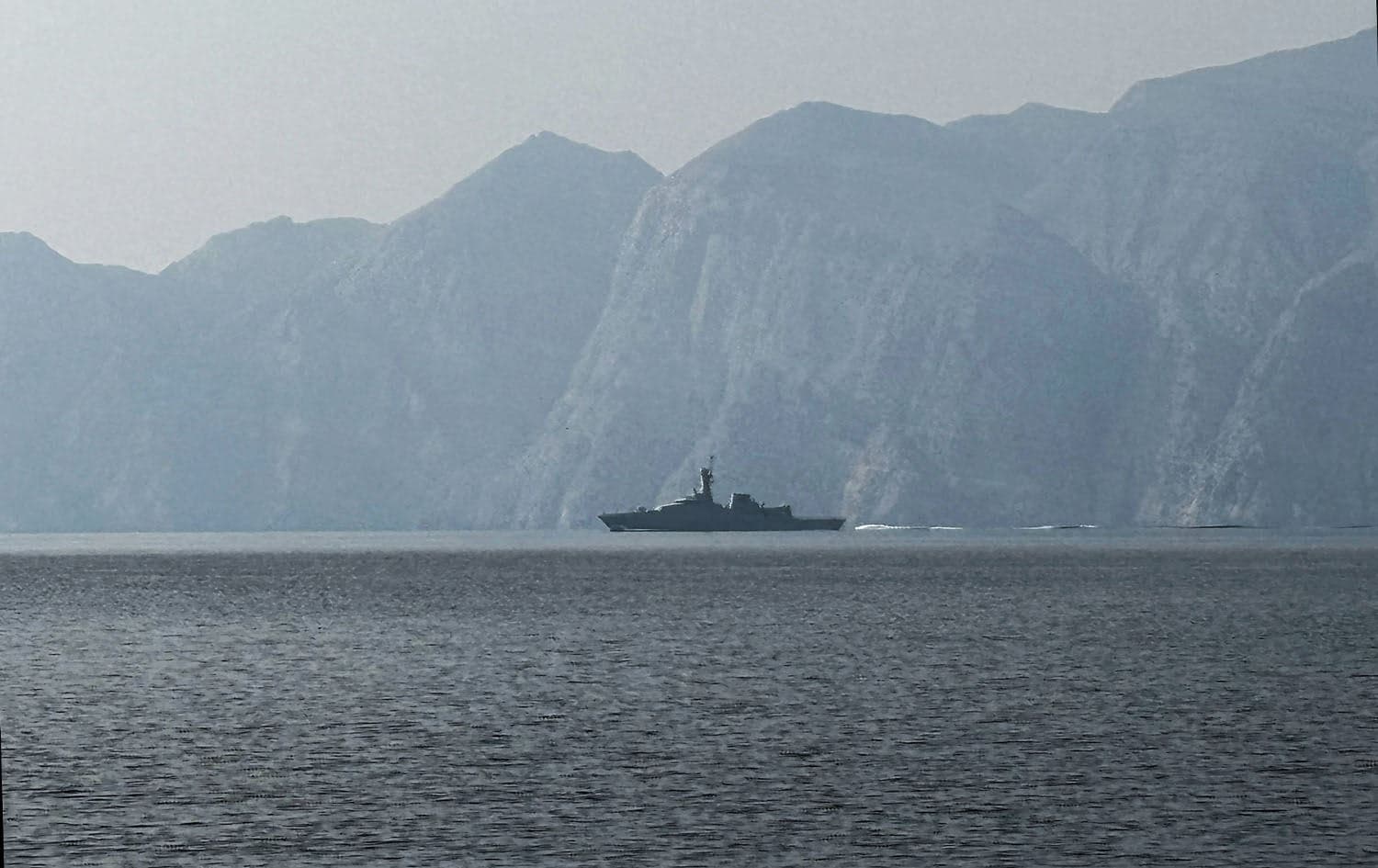
The most immediate global threat is the effective closure of the Strait of Hormuz. While not under a formal naval blockade, the passage has seen a near-total withdrawal of marine war-risk insurance, coupled with direct Iranian strikes on commercial shipping.
Shipping collapse: Tanker traffic has fallen to just 20 percent of pre-war levels, with more than 150 freight ships currently stalled at the strait’s entrances.
Strategic depletion: The world is currently consuming over 100 million barrels of oil per day from strategic reserves to offset the disruption - a rate analysts warn is unsustainable for more than a few weeks.
Production shocks: Iraq has already been forced to cut production by 1.5 million barrels per day due to a lack of storage capacity, while Kuwait has only a two-week storage buffer remaining.
Country-by-country: a region under siege
The economic fallout is not uniform, but it is widespread, affecting countries according to their integration into the global economy.
The United Arab Emirates: a hub in the crosshairs
The UAE has sustained some of the heaviest losses due to its status as a global economic hub.
Energy and ports: Iranian drones have struck the Mussafah Fuel Terminal in Abu Dhabi and the Fujairah Oil Terminal. The port of Jebel Ali, one of the world’s ten busiest container ports, was also hit in the opening days of the conflict.
Aviation paralysis: More than 70 percent of flights to the UAE remain canceled. Dubai International Airport, which served over 95 million passengers in 2025, has been effectively grounded.
Historical first: In a first for modern warfare, an Amazon Web Services data center in Dubai was damaged by shrapnel, dealing a blow to the region’s digital infrastructure.
Qatar: the LNG standstill
Qatar’s energy-driven economic model has been severely disrupted. On March 2, QatarEnergy announced a total suspension of LNG production after drones targeted facilities in Ras Laffan and Mesaieed. The halt has removed 81 million metric tonnes of annual LNG exports from the global market, causing European gas prices to nearly double.
Saudi Arabia: Aramco under pressure
Despite intercepting several attacks, Saudi Arabia’s oil sector is under its most significant strain since 2019. The Ras Tanura refinery was forced to halt operations on March 2 following a fire caused by drone debris. While Aramco’s scale offers some resilience, the kingdom’s Tadawul stock index fell nearly 5 percent in the first week of the conflict.
The fragile states: Bahrain, Iraq, and Kuwait
Bahrain: Entering the war with debt around 137 to 150 percent of GDP, Bahrain is the most fiscally vulnerable GCC state. Its main refinery and the Mina Salman port have both suffered strikes.
Kuwait: Beyond the storage crisis, Kuwait is reeling from a “friendly fire” incident in which a Kuwaiti F/A-18 shot down three American F-15Es, with all six aircrew members surviving and being recovered by Kuwaiti locals and authorities.
Iraq: Caught in the crossfire, Iraq has seen strikes on US bases near Baghdad and Erbil, as well as Iranian attacks targeting Kurdish groups near the border.
The global outlook: a trillion-dollar bill
Global equity market losses exceeded $3.2 trillion in the first 96 hours of the war alone. While oil prices have risen by around 13 percent, analysts at Wood Mackenzie warn that the market is “underpricing” the scale of the supply shock.
If the Strait of Hormuz remains closed for more than three weeks, experts predict oil prices could climb to $90 - $100 per barrel, echoing the severe disruptions of the 1970s oil embargo. For now, the only apparent “beneficiary” is Russia, which is increasing exports to China and India at elevated prices while Gulf supplies remain constrained.
Conclusion
Seven days into the conflict, the war is being fought on two fronts: a military front in Iran and an economic front across the Gulf. The duration of the conflict is now the single most important variable shaping the survival of the global economic status quo.
This analysis was written by Rudaw's Economy Desk.