ERBIL, Kurdistan Region - Authorities in the Kurdistan Region have banned the export of key food items, including rice, oil, tea, and components of monthly food rations, to Iran and other countries in the region in an effort to stabilize prices and prevent potential shortages.
The decision comes amid reports that food products were being transported from the Kurdistan Region to Iran, particularly to Kurdish-populated areas in the country’s northwest (Rojhelat). However, officials from the Kurdistan Region's Ministry of Trade, the Import and Export Union, and the Erbil Chamber of Commerce dismissed the claims, stating unequivocally that “food exports are prohibited.”
Mustafa Sheikh Abdulrahman, head of the Kurdistan Importers and Exporters Union, told Rudaw on Monday that “there was an attempt to take food and daily necessities, including rice, from the Kurdistan Region to Iran because prices are high there, but it is not allowed.”
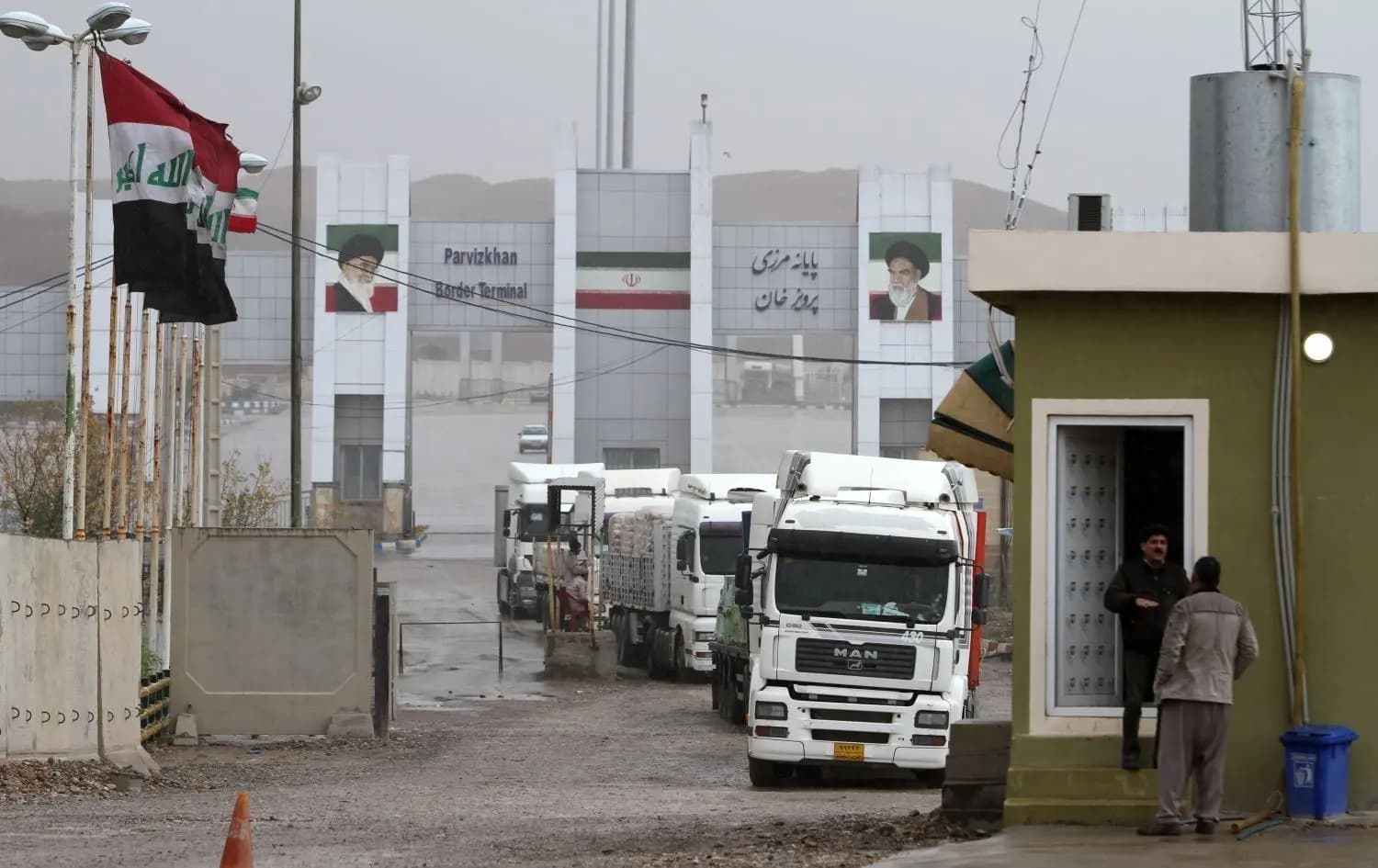
The ban comes amid a fragile ceasefire following the US-Israel war with Iran, which began on February 28. Although hostilities have paused, the conflict disrupted cross-border movement and trade, with key transit routes and shipping lanes operating below normal levels, slowing the flow of goods and straining supply chains.
Prior to the 40-day conflict, some cross-border porters, known as kolbars, were reported to have transported food items such as rice, tea, and oil from the Kurdistan Region into Rojhelat through the Haji Omaran border crossing.
Abdulrahman added that the government has issued clear instructions preventing the export of any locally available food supplies.
“We have been notified by the government that a decision has been made not to allow any food or supplies available within the Kurdistan Region to be exported to any country in the region,” he said.
Nawzad Sheikh Kamil, director general of trade for the Kurdistan Region, told Rudaw that the restrictions also apply to items included in the monthly food ration system.
“In addition to the food already present or imported into the Kurdistan Region, no items from the monthly food rations are permitted to be exported outside the region,” he said.
Gailan Haji Saeed, head of the Erbil Chamber of Commerce and Industry, emphasized that enforcement measures are strict. “No one will be granted a permit to take food out of the Kurdistan Region, including to Iran,” he told Rudaw
He detailed that “if individuals are smuggling food, we are not aware of it, but officially it is strictly prohibited.”
Officials say the move is a precautionary measure driven by broader regional instability.
“The regional situation is clear, and we do not want food shortage issues to arise in the Kurdistan Region,” Abdulrahman explained, stressing that the ban is not limited to Iran but applies to “all countries in the region.”
Despite the export restrictions, authorities say imports into the Kurdistan Region remain unaffected. “The situation has completely returned to normal. Imports through all border crossings are continuing just as they were before the war,” Abdulrahman noted.