


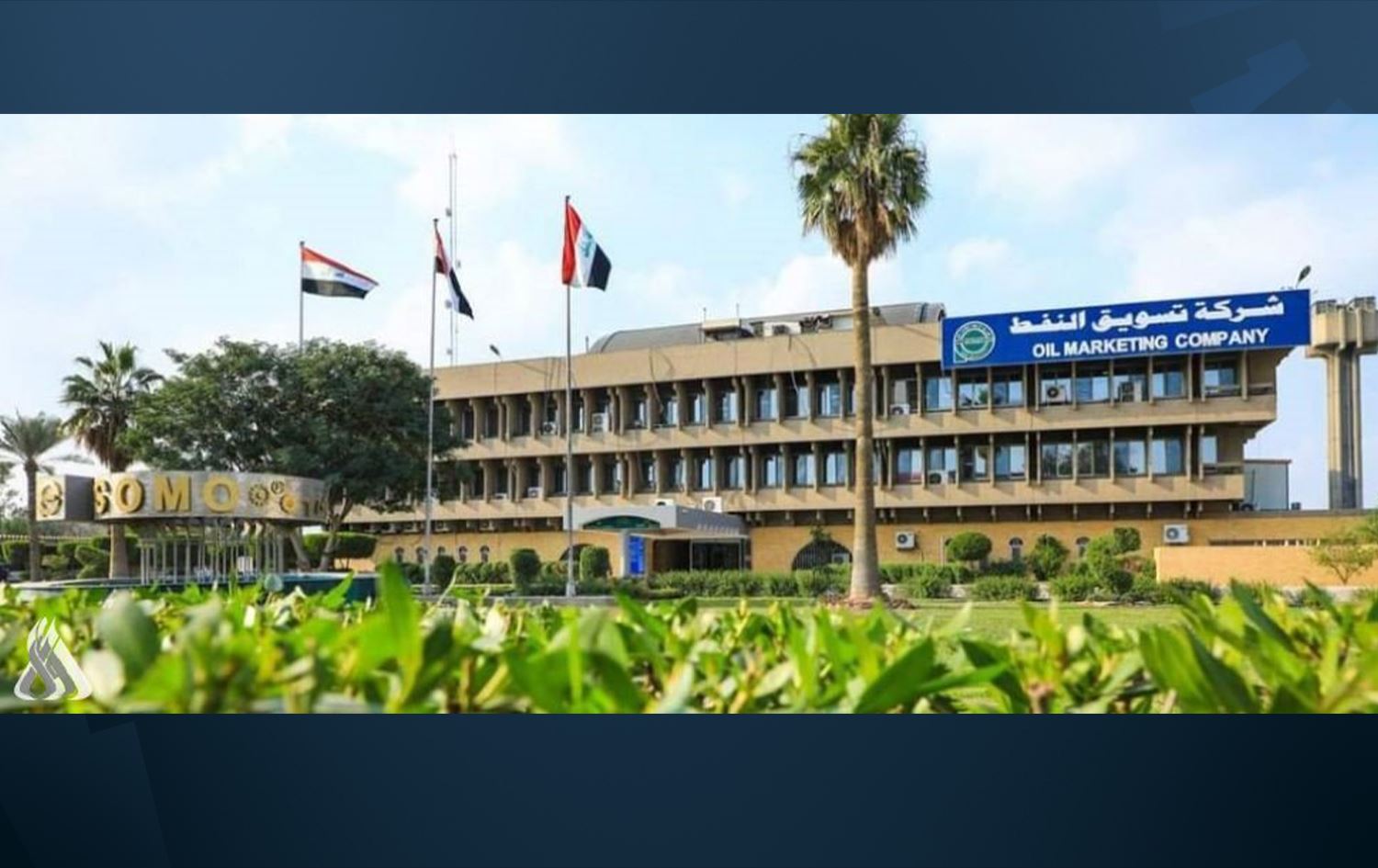
ERBIL, Kurdistan Region - Iraq’s oil marketing company announced on Tuesday that efforts to finalize an agreement between Baghdad, Erbil, and international oil companies on resuming oil exports from the Kurdistan Region have reached their final stages. The announcement comes a day after a tripartite deal was signed by the parties, though some major firms are reportedly hesitant to join the deal.
Ali Nizar Faiq, director general of Iraq's State Oil Marketing Organization (SOMO), told Rudaw, that over the past month "great efforts" have been made to reach a final agreement with Erbil and oil companies operating in the Kurdistan Region to resume Kurdish oil exports, which have been suspended since 2023.
The official added that the efforts to finalize such a deal have "reached its final stages, as we have reached a strict mechanism for implementing this agreement and pumping the quantities produced from the Region."
SOMO is "waiting for pumping procedures after finalizing all details, and some matters will be documented in writing," Faiq noted.
Oil exports from the Kurdistan Region through the Iraq-Turkey pipeline have been halted since March 2023, when a Paris-based arbitration court ruled in favor of Baghdad, saying Ankara violated a 1973 pipeline agreement by allowing Erbil to independently export oil starting in 2014.
On Monday, the Iraqi government, the Kurdistan Regional Government (KRG), and most of the oil companies signed a tripartite deal to restart exports. An informed source told Rudaw English that under the agreement, companies operating in the Kurdistan Region will receive crude oil instead of cash as part of their entitlements. Exports are expected to resume within days.
Reuters reported on Monday that the largest producer Norway's DNO and its partner Genel Energy have yet to sign the agreement.
DNO welcomes the deal
DNO said in a statement on Tuesday that it welcomes reports that an agreement has been reached but did not say it has joined other OICs in signing the deal or not.
"DNO has consistently stated that it is eager to resume exports but pursuant to agreements that ensure payment surety for both past arrears and future exports based on the legal, economic and commercial terms of the production sharing contracts the Company holds with Kurdistan," said the company.
“DNO’s exposure is different than that of other international oil companies” DNO Executive Chairman Bijan Mossavar-Rahmani was cited as saying in the statement.
“Importantly, as the largest producer, the arrears owed to us by the KRG dwarf those of many of the others... which also means that our exposure to future payment risk is also substantially higher than any other company.”
The KRG reportedly owns the OICs $1 billion in accumulated debts.
The SOMO chief also said that the exportation of the Kurdish oil will not affect Iraq's compliance with its latest OPEC agreement.
"The resumption of Kurdistan Region oil exports does not prevent Iraq from continuing to comply with production cuts with OPEC according to the agreed figures," he said.
Iraq's oil exports averaged 3.38 million barrels per day in August, the oil ministry reported. According to SOMO, exports in September are projected to range between 3.4 and 3.45 million barrels per day.


Comments
Rudaw moderates all comments submitted on our website. We welcome comments which are relevant to the article and encourage further discussion about the issues that matter to you. We also welcome constructive criticism about Rudaw.
To be approved for publication, however, your comments must meet our community guidelines.
We will not tolerate the following: profanity, threats, personal attacks, vulgarity, abuse (such as sexism, racism, homophobia or xenophobia), or commercial or personal promotion.
Comments that do not meet our guidelines will be rejected. Comments are not edited – they are either approved or rejected.
Post a comment