

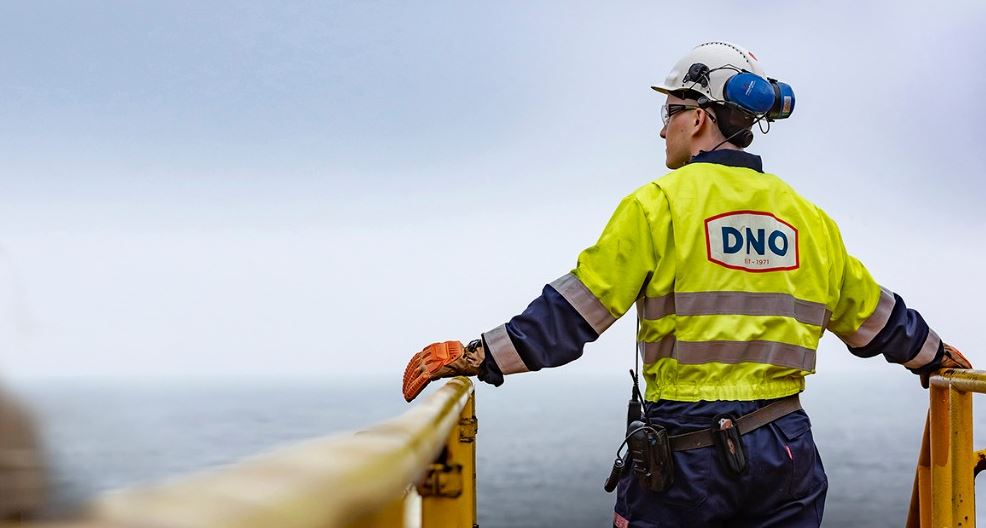
ERBIL, Kurdistan Region - The Norwegian oil and gas operator, DNO, said on Thursday that it is “revving up” operation in the Kurdistan Region, including the resumption of drilling in a flagship license in Duhok province.
“Drilling will restart at the flagship [Tawke] license next week following a two-and-a-half-year spending hiatus with the spud of a new production well targeting the shallow Jeribe reservoir in the Tawke field,” said the company in a statement.
The Kurdistan Region’s oil exports restarted in late September under a tripartite agreement between Erbil, Baghdad, and the international oil companies operating in the Region. Exports had been halted in March 2023 after Iraq won a Paris-based arbitration case against Turkey.
“Two rigs, the ‘DQE-51’ and the DNO-owned ‘Sindy’, have been mobilized to drill eight wells on the license through 2026 as the Company targets a 25 percent increase in gross operated production to 100,000 barrels of oil per day. The Tawke license contains the Tawke and Peshkabir fields, two of the region’s largest operated by an international oil company," added the firm.
The company currently produces 80,000 barrels of oil per day, the company cited its Executive Chairman Bijan Mossavar-Rahmani as saying.
“Given two decades of experience working these complex reservoirs, we have great confidence in our ability to extract much, much more oil from the fields in this license,” he added.
Iraqi Oil Minister Hayyan Abdul Ghani told Rudaw on Wednesday that more than 13 million barrels of oil from the Kurdistan Region have been exported through the Turkish port of Ceyhan since the resumption of shipments. He added that the export average ranges between 200,000 and 208,000 barrels of oil per day.
“All of the Kurdistan Region's oil is destined for European and American markets,” he added.


Comments
Rudaw moderates all comments submitted on our website. We welcome comments which are relevant to the article and encourage further discussion about the issues that matter to you. We also welcome constructive criticism about Rudaw.
To be approved for publication, however, your comments must meet our community guidelines.
We will not tolerate the following: profanity, threats, personal attacks, vulgarity, abuse (such as sexism, racism, homophobia or xenophobia), or commercial or personal promotion.
Comments that do not meet our guidelines will be rejected. Comments are not edited – they are either approved or rejected.
Post a comment