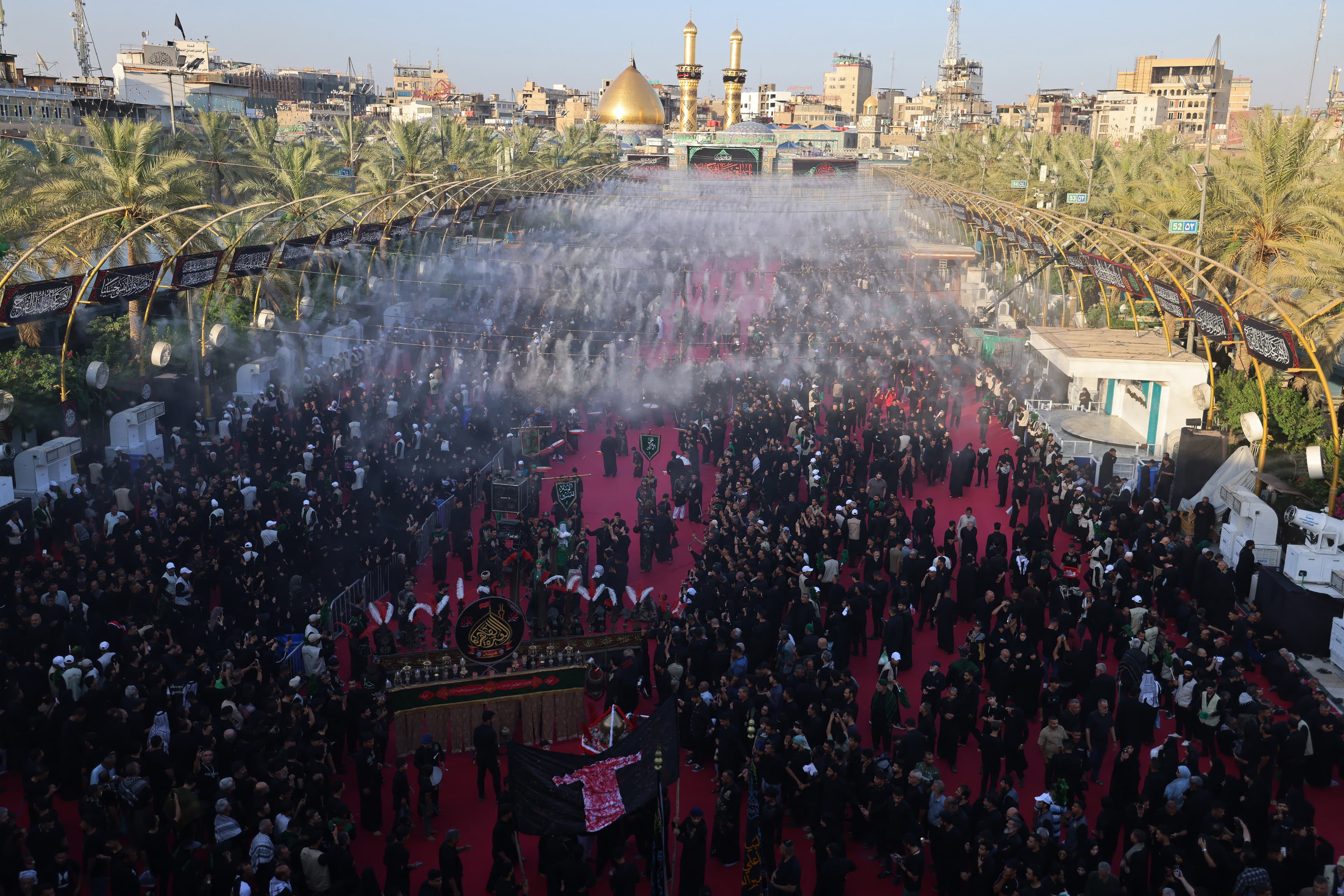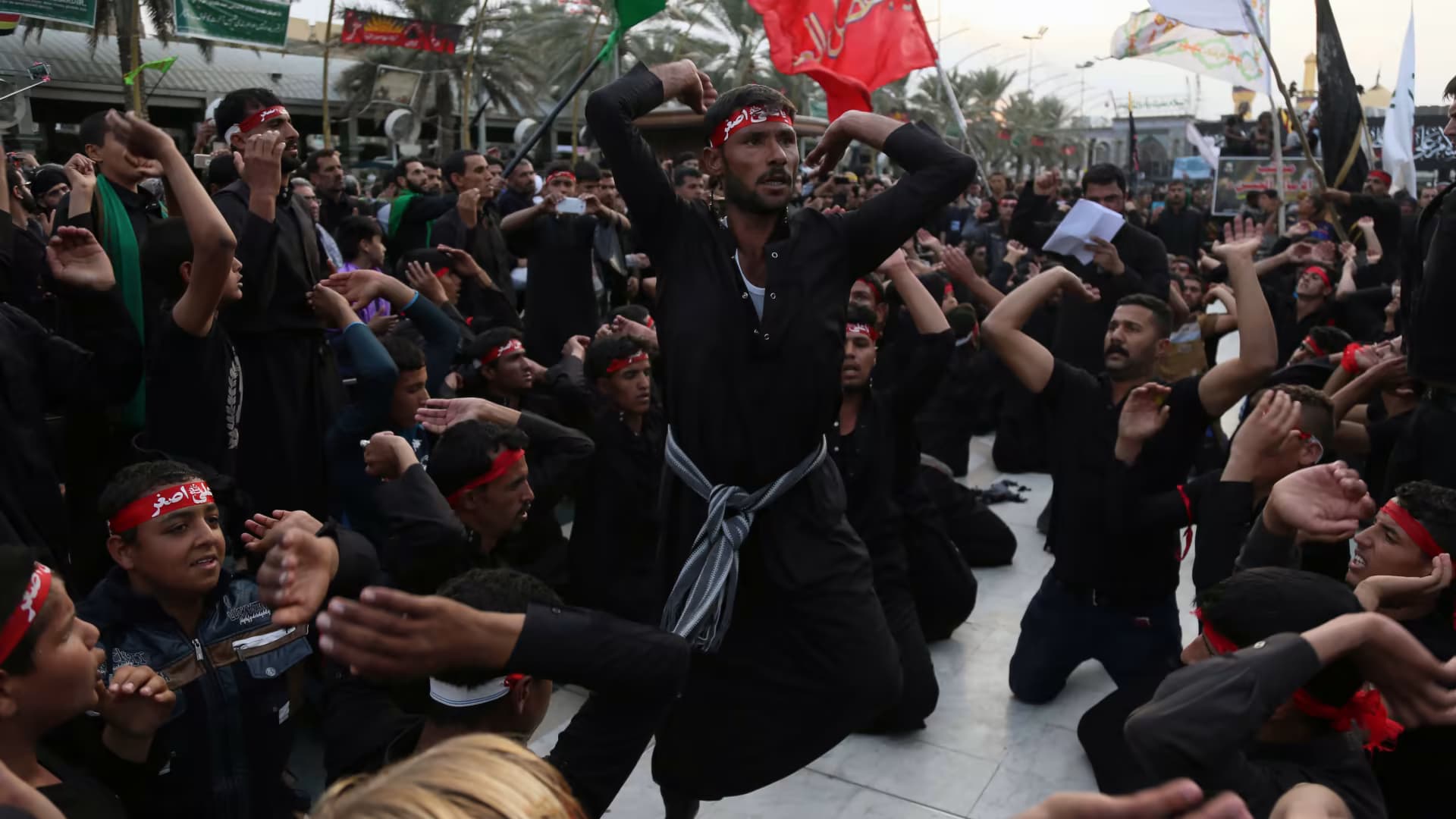
ERBIL, Kurdistan Region - The Iraqi health ministry announced late Friday that it delivered 131,699 "medical and therapeutic services" to Ashura pilgrims, as the major religious commemoration draws millions of Shiite worshippers, some of whom participate in physically demanding rituals and traditional bloodletting.
"These services were distributed treating various medical conditions and injuries, as well as providing first aid in medical detachments and field hospitals," Saif al-Badr, spokesperson for the Iraqi health ministry, was quoted as saying by state media.
According to the disclosed figures, health facilities handled 112,623 surgical cases and treated 9,662 cases of bleeding.
In the Islamic calendar, Ashura marks the 10th day of Muharram. The date commemorates the death of Imam Hussein - the grandson of Prophet Mohammed - who was slain by the forces of the Umayyad caliph Yazid ibn Mu’awiya in Karbala during the late 7th century AD.
Millions of Shiite pilgrims from across Iraq, Iran, and further abroad gather in the holy city of Karbala to mourn the martyrdom of Imam Hussein. Commemorative rituals and mourning processions also take place simultaneously across other Iraqi provinces, including in the Kurdistan Region.
Mourners typically dress in black, carry symbolic flags, and march through the streets. In addition to rhythmic recitations, weeping, and chest-beating, some devotees engage in tatbir (ritual bloodletting) to express profound grief over the historic tragedy.
The annual Ashura pilgrimage precedes Arbaeen, which marks the culmination of the traditional 40-day mourning period for Imam Hussein. Many international worshippers choose to remain in Iraq through both events.
Many pilgrims travel long distances to reach Karbala, with some walking for days from the holy city of Najaf.
They describe Hussein as the spiritual force behind their journey.
"Imam Hussein is extraordinary and beyond dispute; he is unique in the world and can fulfill any wish you have," Iranian pilgrim Siavash Ali told Rudaw on Thursday.
Shiite Muslims maintain that the annual commemoration reflects an enduring, deeply spiritual connection to the sacrifices made at Karbala.