
ERBIL, Kurdistan Region - The Kurdistan Regional Government (KRG) on Wednesday officially endorsed a joint agreement with Iraqi federal authorities to implement a nationwide Automated System for Customs Data (ASYCUDA), a critical step toward unifying trade procedures across Iraq.
"The initiative aims to unify customs procedures across Iraq, digitalize these processes, and enhance clarity and transparency in border customs revenues," the Kurdistan Council of Ministers said in a statement, adding that "ultimately, this will lead to an increase in public revenues, a reduction in bureaucracy, and the promotion of commercial movement at border crossings."
ASYCUDA, an electronic customs platform developed by the United Nations Conference on Trade and Development (UNCTAD) in the early 1980s, digitizes and standardizes customs procedures. The system is currently used at all 22 federal border crossings in Iraq.
To facilitate its adoption in the Kurdistan Region, officials from the KRG and the Iraqi General Commission of Customs signed a 16-point Letter of Agreement in Baghdad on Thursday, resolving months of outstanding issues related to the management of international trade through the Region’s border crossings.
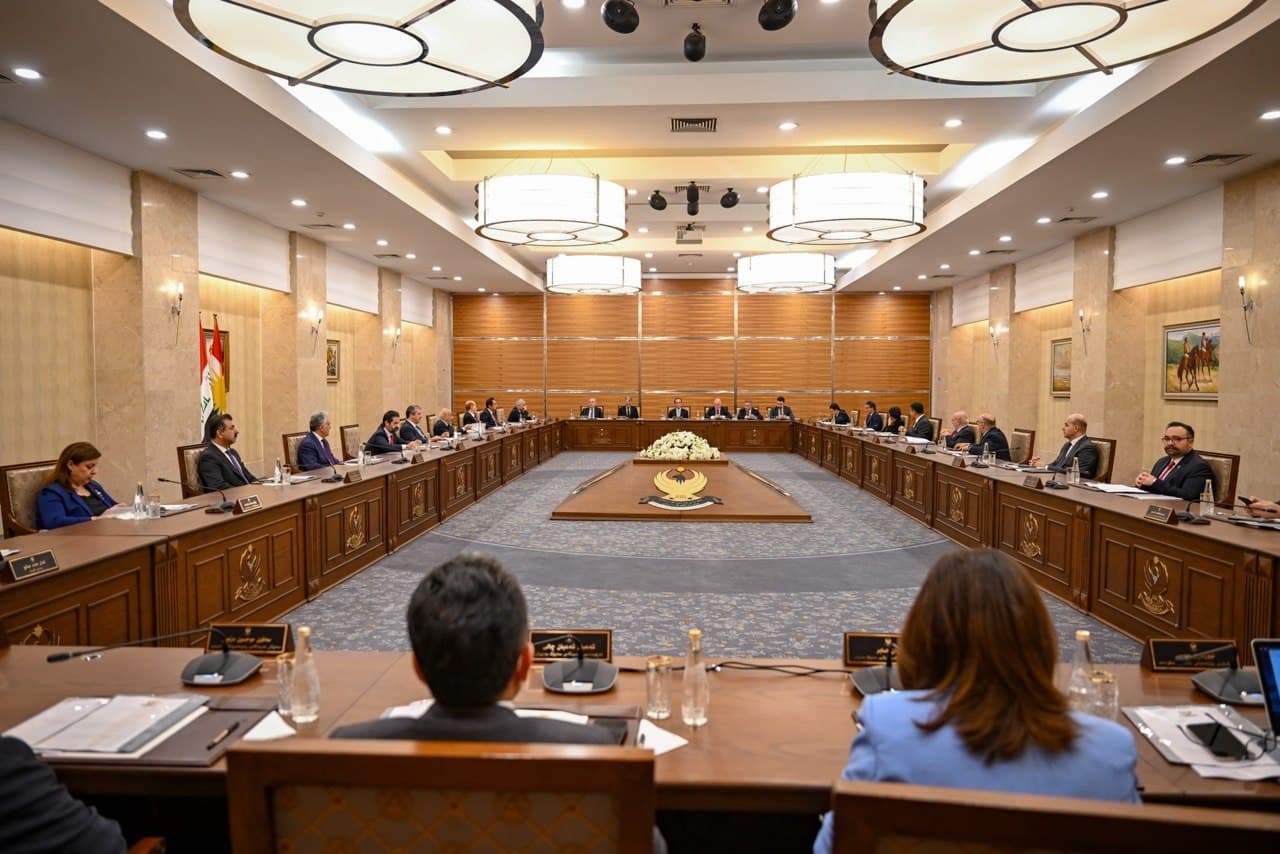
Pushing toward full implementation, the Kurdish cabinet tasked a broad coalition of regional ministries, including finance, interior, trade, and agriculture, to coordinate technical details with their federal counterparts. A high-level delegation from Erbil is scheduled to visit Baghdad next week to prepare the framework for final approval.
Regional officials urged the Iraqi federal government to swiftly convene the Ministerial Council for Economy to ratify the agreements. The Kurdish cabinet framed the customs deal not just as an economic upgrade to fund public services, but as a vital step in "reorganizing the constitutional and legal relationship" between federal institutions and the KRG.
Under the system, merchants will be required to obtain federal approval and pay customs duties before importing goods. They will also gain access to US dollars at the official exchange rate set by the Central Bank of Iraq, allowing them to purchase goods abroad at rates lower than those available on the market.
RELATED: Erbil-Baghdad signs agreement for ASYCUDA system implementation