ERBIL, Kurdistan Region - The Kurdish Women’s Protection Units (YPJ) on Saturday condemned the removal of a billboard featuring a braid by pro-government protesters in central Hasaka, describing the act as an attack on women’s rights and identity. The braid became a prominent symbol of Kurdish resistance against Syrian government forces earlier this year.
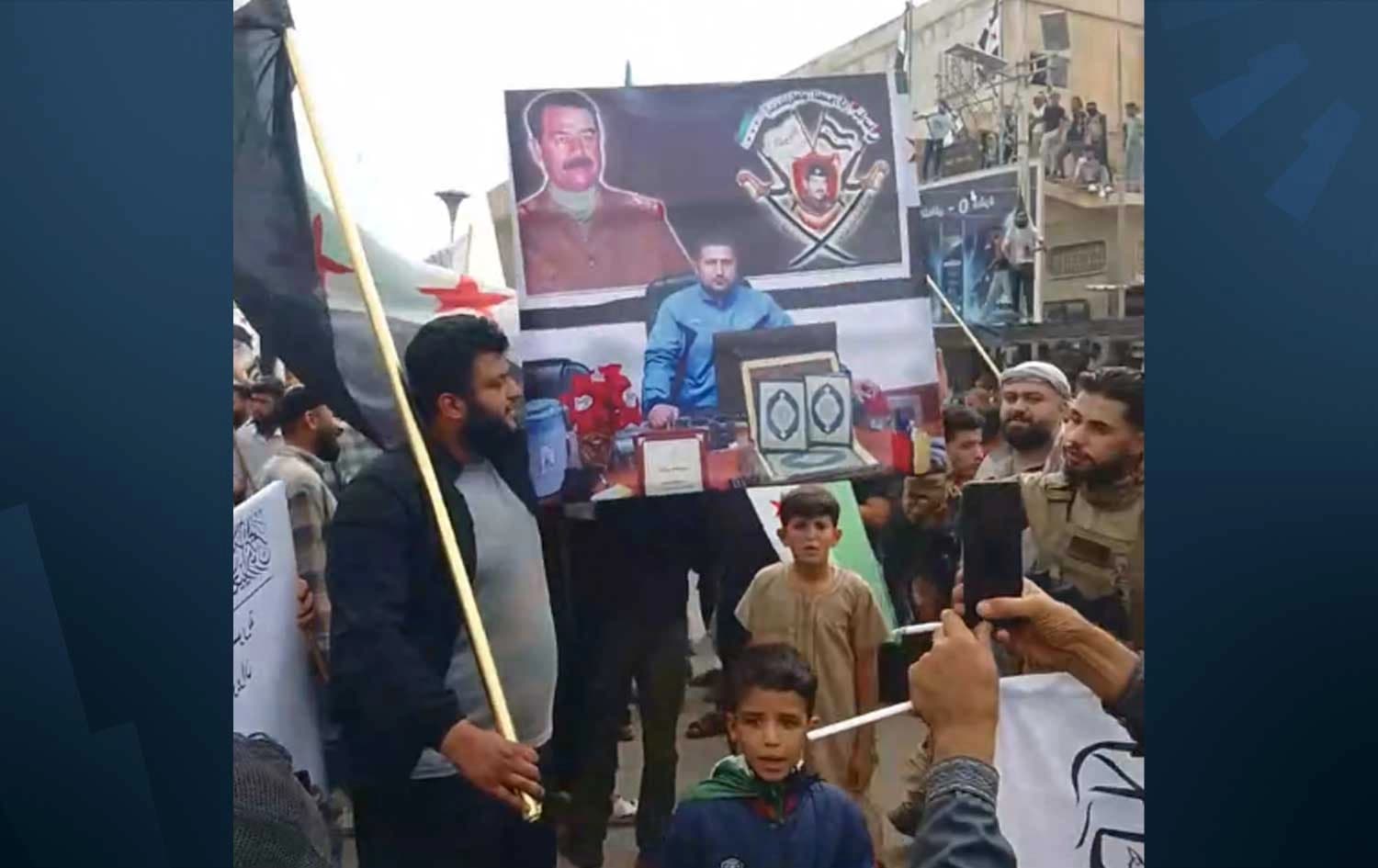
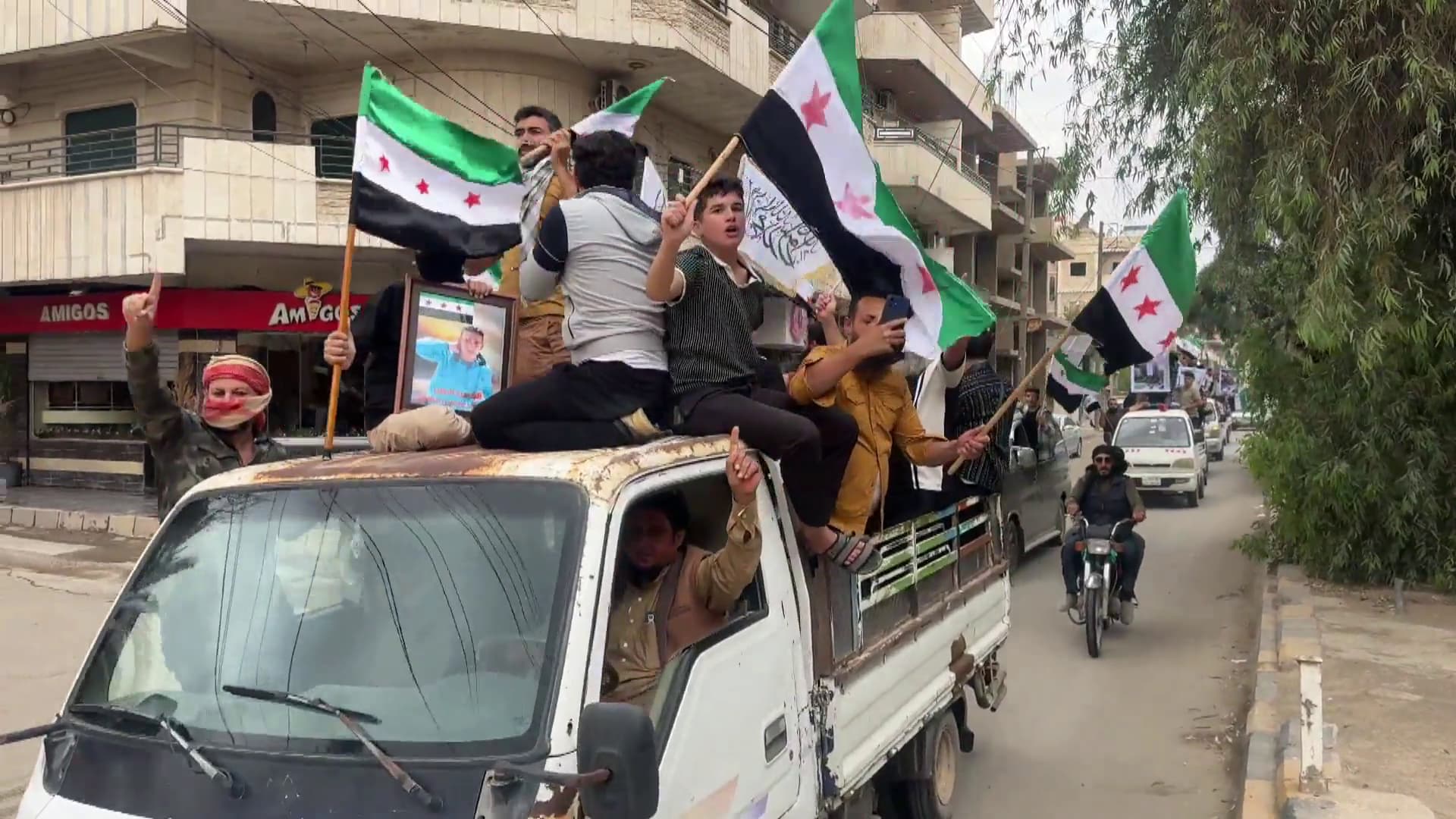
Dozens of men, many of them teenagers, gathered at Hasaka’s Peace Roundabout, also known as Freedom Roundabout, on Thursday and Friday, demanding an end to partial Kurdish rule in the province and the restoration of full government control.
The protests turned violent on Friday as demonstrators targeted Kurdish symbols, including a billboard featuring a braid. A Rudaw reporter in Hasaka said protesters tore down the billboard. Footage published by Rojava Information Centre shows protesters stomping on the billboard and attempting to tear it apart after removing it.
“The attacks on the banner featuring the YPJ fighter's braid — which symbolises the very existence of women, not just the women of Rojava or Syria, but the existence, will and identity of all women — and attacking and tearing down this poster is nothing ordinary,” she said.
“That is why we say: this is an attack on women's very existence, attacks on women's rights, so that women are denied their rights in Syria. Therefore we say, with their stand and their struggle, women will protect their heritage and their struggle, their revolution and their achievements, both in the political and legal spheres, and within society to take responsibility for the achievements that have been made.”
The braid, known as kazi in Kurdish, became a prominent symbol of Kurdish women’s resistance in northeast Syria (Rojava) in January 2026 after a video circulated showing a Damascus-affiliated militant displaying what he claimed was the severed braid of a dead Kurdish female fighter. The militant later claimed the hair was synthetic.
The video sparked widespread outrage among Kurds, particularly women, who viewed the act as an attempt to humiliate Kurdish female fighters.
In response, Kurdish women around the world began posting photographs and videos of themselves braiding their hair in solidarity with the fighter.
Protesters on Friday also displayed a portrait of former Iraqi dictator Saddam Hussein, whose regime was responsible for widespread atrocities against Kurds, including the 1988 Anfal campaign and the chemical attack on Halabja, which killed thousands of civilians.
The latest demonstrations come despite the recent dissolution of the Kurdish-led Syrian Democratic Forces (SDF) as part of an integration agreement with Damascus. Most of Rojava’s military, security and civilian structures have been integrated into the state.
Hasaka governor told Rudaw that the protests were planned and sought to harm the integration process.
However, the fate of the SDF-affiliated YPJ remains unclear, as Damascus has refused to integrate its fighters into the male-only army. Talks are ongoing over their possible integration into the interior ministry, but no final agreement has been reached.