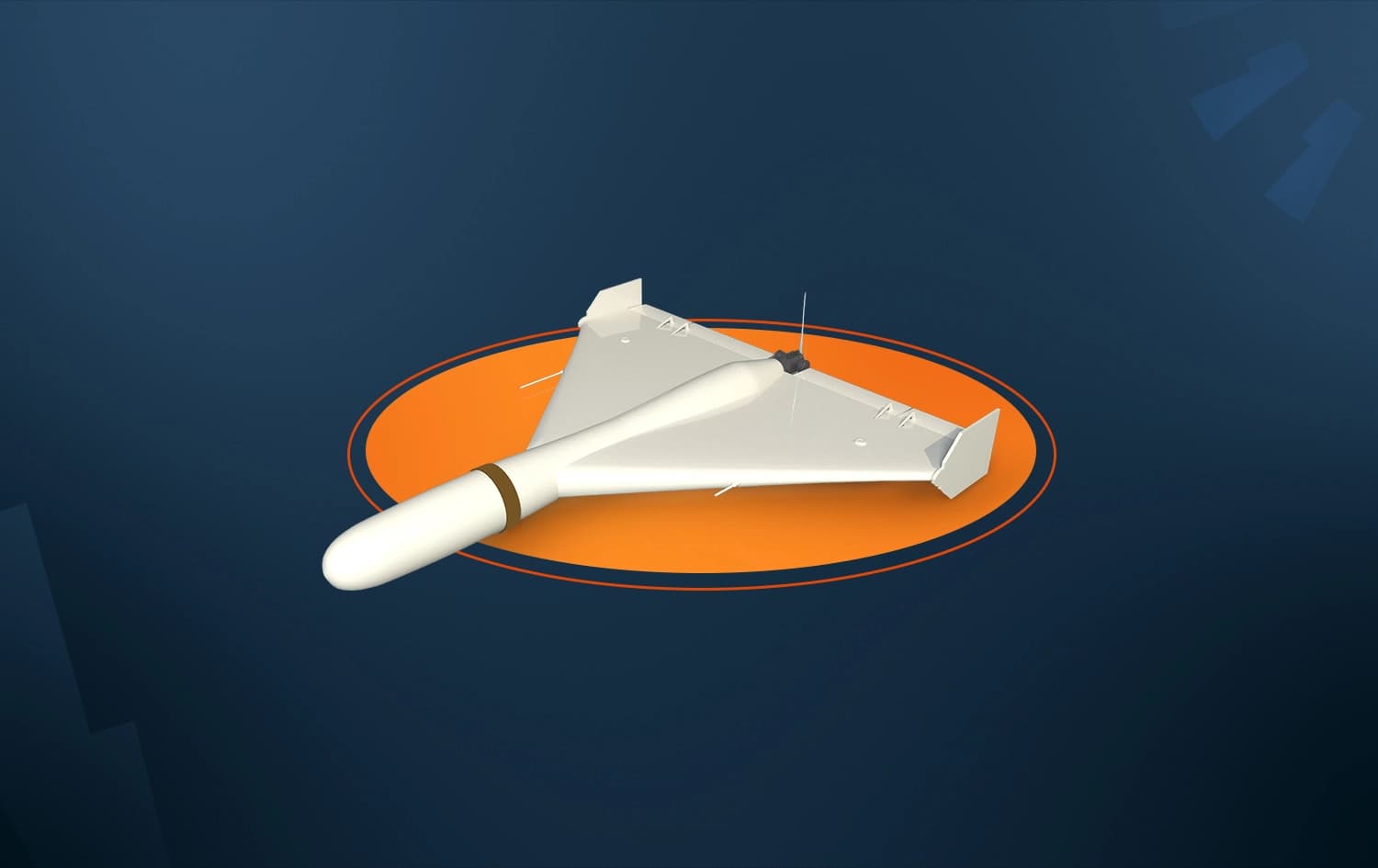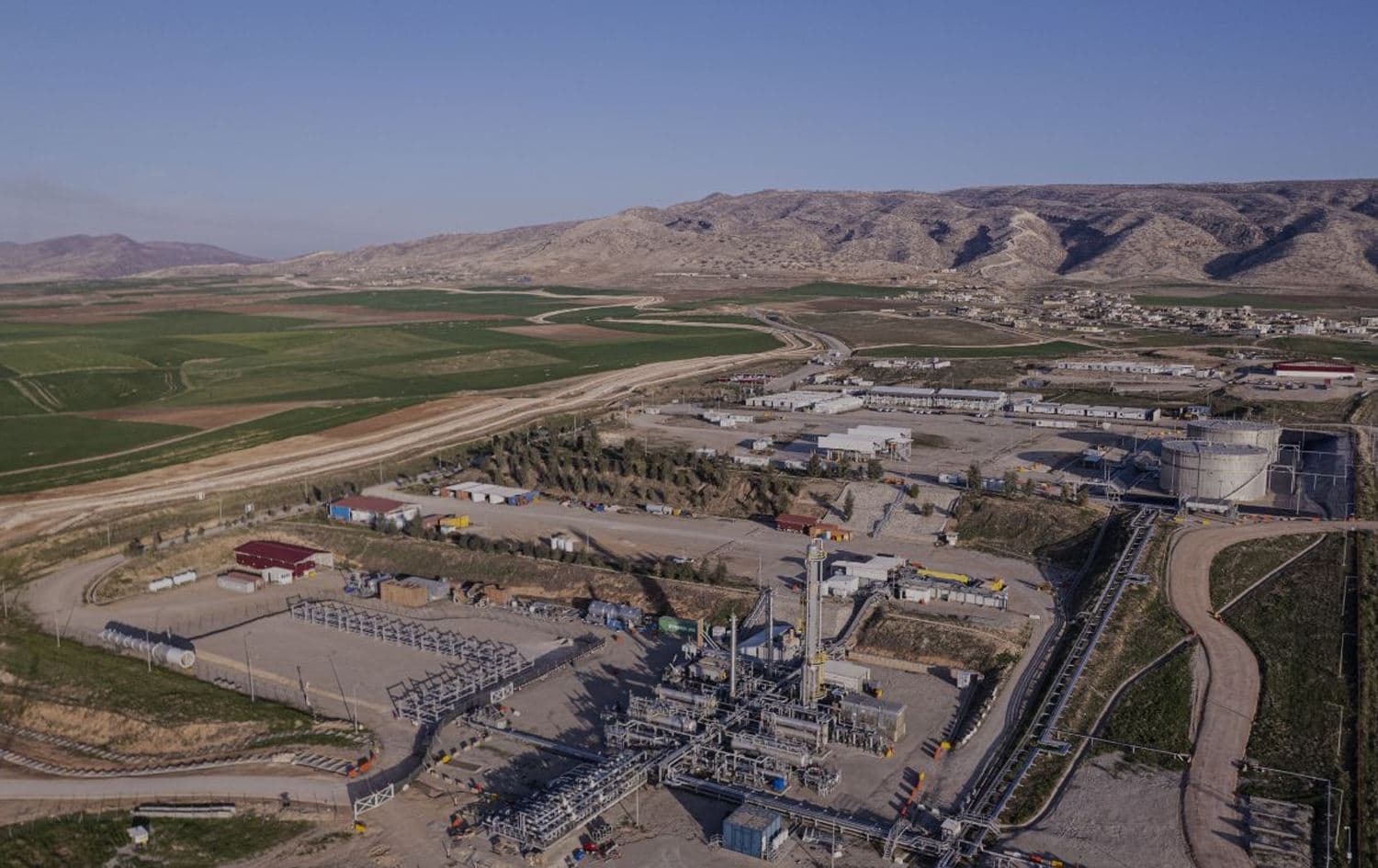

ERBIL, Kurdistan Region - The London-listed Gulf Keystone Petroleum said Monday it has halted production at the Sheikhan oil field in the Kurdistan Region as it continues to face aerial attacks amid escalating regional conflict.
The company said in a statement that “it has temporarily shut-in production operations and has taken measures to protect staff in light of the developing regional security environment,” adding that “The Company’s assets have not been impacted.”
The Sheikhan oil field is located about 60 kilometers northwest of Erbil.
The decision follows strikes launched against the Kurdistan Region by Iran and allied armed groups in response to US and Israeli attacks on Iran on Saturday. Attacks on Erbil continued into Monday.
Gulf Keystone said it is “closely monitoring the situation and will provide further updates as appropriate.”
The pro-Iran Iraqi armed group Saraya Awliya al-Dam has claimed responsibility for attacks targeting US positions in Erbil.
The announcement comes days after UAE-based Dana Gas said it had halted gas exports to power generation stations in the Kurdistan Region. The Kurdistan Regional Government (KRG) said the suspension would reduce electricity supply by between 2,500 and 3,000 megawatts, cutting power availability to only a few hours a day.
The gas facility was previously attacked in November, slashing the Kurdistan Region’s power generation by nearly 80 percent.
The regional escalation followed strikes launched earlier Saturday by the United States and Israel against Iran, prompting Iranian retaliation that has affected several Middle Eastern countries, including Bahrain, Jordan, the United Arab Emirates, Qatar and Saudi Arabia.
Iran’s Foreign Minister Abbas Araqchi told his Iraqi counterpart on Saturday that Tehran’s response to US and Israeli strikes would target US military bases in the region and would be “limited to military sites,” according to the Iraqi foreign ministry.