ERBIL, Kurdistan Region - Erbil’s water supply is expected to remain stable throughout the summer, with officials saying production levels now exceed demand following the completion of major infrastructure projects aimed at ending years of seasonal shortages.
Rabar Hussein, head of Erbil's water department, told Rudaw on Sunday that the city is now receiving significantly more water than it requires, largely due to the near-completion of the Erbil Water Emergency Project. “The Erbil Water Emergency Project is complete. Only a small portion of the pipeline connections remains, which will be finished within this month,” he said.
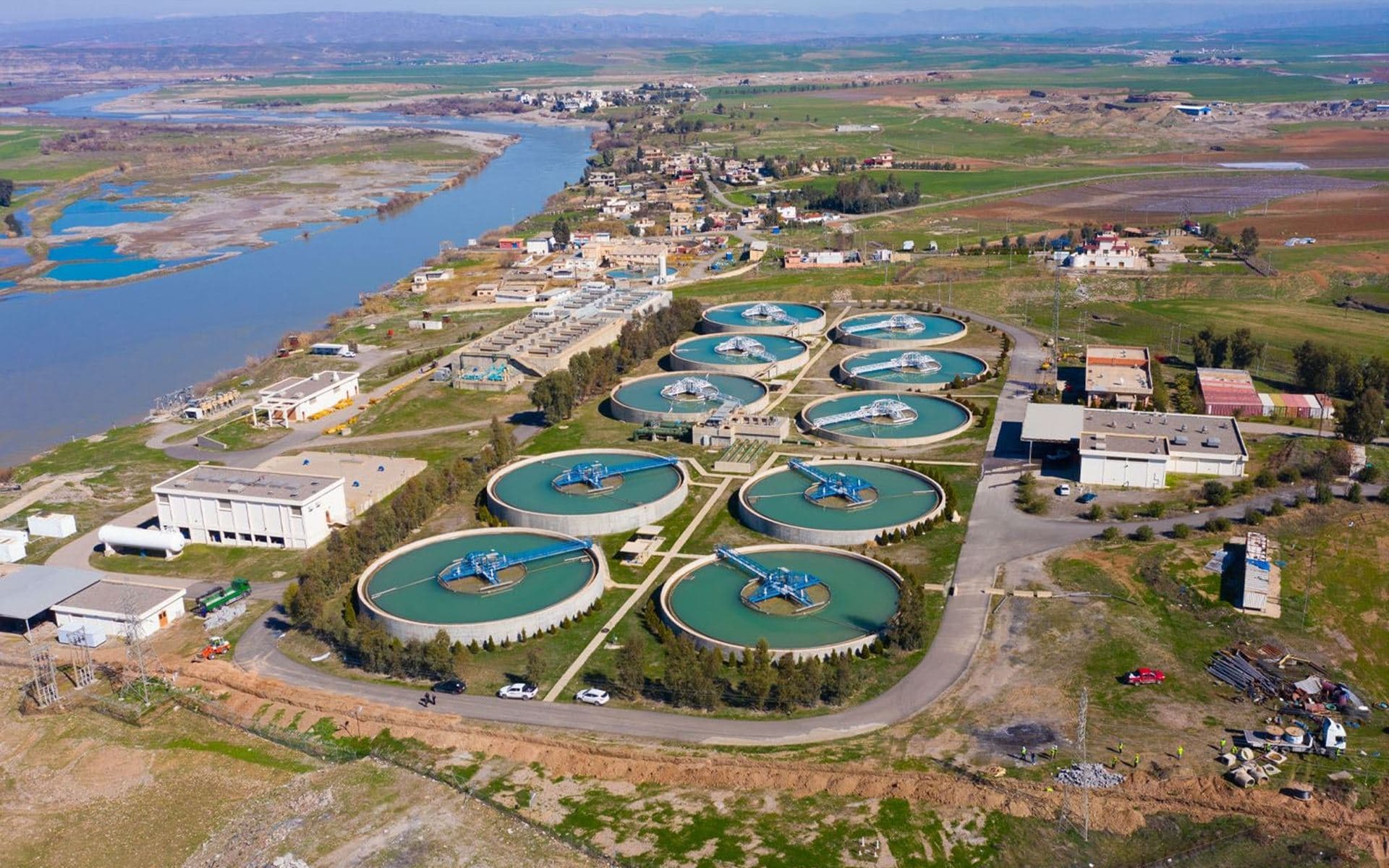
He added that the city has shifted away from heavy reliance on groundwater, noting: “Currently, the majority of Erbil city receives its water from [treatment] projects rather than wells. Therefore, nearly a thousand water wells have been shut down.”
According to Hussein, around 33,000 cubic meters of water now reach Erbil every hour - roughly double the population’s needs. “With the amount that will be available, there will be no water shortage problems this summer, unless a specific issue or maintenance work occurs in a certain location that requires the water to be temporarily cut off,” he said.
Heavy rainfall this year has significantly increased groundwater and reservoir levels in Iraq, particularly in the Kurdistan Region, following several years of severe drought. In contrast, 2025 was described by Iraqi officials as one of the worst drought years in the country’s modern history.
The Erbil Emergency Water Project alone has the capacity to supply 20,000 cubic meters per hour, covering about 60 percent of the city’s demand. The remaining 40 percent is provided by the Ifraz 1, 2, and 3 water treatment facilities. The project was launched in September 2024 by Prime Minister Masrour Barzani as part of broader efforts to address chronic water shortages in the city.
Iraq remains one of the most water-stressed countries globally, relying heavily on the Tigris and Euphrates rivers, whose flows have been sharply reduced by upstream dam projects in Turkey.
Years of declining rainfall, rising temperatures, and infrastructure challenges have compounded the crisis, prompting both Baghdad and the Kurdistan Regional Government to accelerate water management and infrastructure projects.