


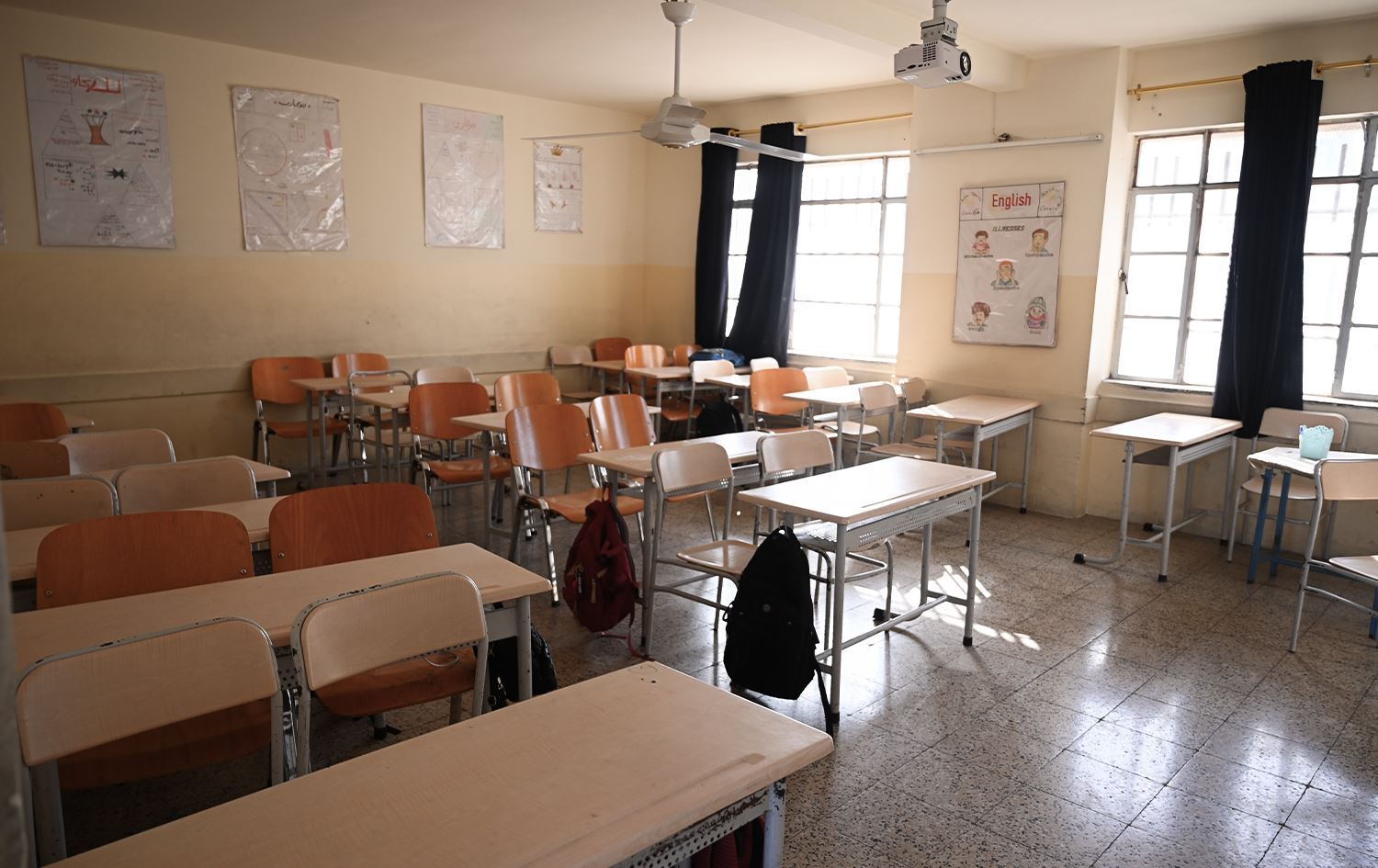
ERBIL, Kurdistan Region - Kurdistan Region’s education ministry on Tuesday notified teachers in public schools, who have gone on strike for weeks over unpaid salaries, to return to class and start the new academic year.
The new academic year in the Kurdistan Region began on September 13 but most schools in Sulaimani and Halabja provinces remained closed after teachers refused to return to class without receiving their salaries.
Teachers received their July salaries on Saturday and thousands of other civil servants have yet to receive payment for the month.
The Education Ministry Council said in a statement on Tuesday that salary is “one of the basic rights of teachers” and called on teachers to end their strike “because last year’s boycotts were harmful.”
“We notify all general directorates of education to start the academic year as soon as possible,” said the council.
The Kurdistan Regional Government (KRG) has not paid public sector salaries for August and September as well due to a nearly decade-long financial crisis that was worsened when Turkey suspended the flow of Kurdish oil to international markets in late March.
Baghdad lent the KRG the majority of the money it required last month to pay its civil servants. The KRG could pay its public employees with the help of its domestic revenues, but it chose to put off paying some ministries for reasons that remain unclear.
There are three types of teachers at schools: civil servants, those on temporary contracts, and those without contracts.
Teachers without contracts, known as “lecturers,” are disappointed because their salaries are much lower than their contracted colleagues and the KRG’s failure to pay them on time makes their lives harder.
Karokh Abdullah is one of the representatives of teachers without contracts. He told Rudaw on Tuesday that they won’t return to schools unless the KRG signs employment contracts with them.
The new academic year in the Kurdistan Region began on September 13 but most schools in Sulaimani and Halabja provinces remained closed after teachers refused to return to class without receiving their salaries.
Teachers received their July salaries on Saturday and thousands of other civil servants have yet to receive payment for the month.
The Education Ministry Council said in a statement on Tuesday that salary is “one of the basic rights of teachers” and called on teachers to end their strike “because last year’s boycotts were harmful.”
“We notify all general directorates of education to start the academic year as soon as possible,” said the council.
The Kurdistan Regional Government (KRG) has not paid public sector salaries for August and September as well due to a nearly decade-long financial crisis that was worsened when Turkey suspended the flow of Kurdish oil to international markets in late March.
Baghdad lent the KRG the majority of the money it required last month to pay its civil servants. The KRG could pay its public employees with the help of its domestic revenues, but it chose to put off paying some ministries for reasons that remain unclear.
There are three types of teachers at schools: civil servants, those on temporary contracts, and those without contracts.
Teachers without contracts, known as “lecturers,” are disappointed because their salaries are much lower than their contracted colleagues and the KRG’s failure to pay them on time makes their lives harder.
Karokh Abdullah is one of the representatives of teachers without contracts. He told Rudaw on Tuesday that they won’t return to schools unless the KRG signs employment contracts with them.


Comments
Rudaw moderates all comments submitted on our website. We welcome comments which are relevant to the article and encourage further discussion about the issues that matter to you. We also welcome constructive criticism about Rudaw.
To be approved for publication, however, your comments must meet our community guidelines.
We will not tolerate the following: profanity, threats, personal attacks, vulgarity, abuse (such as sexism, racism, homophobia or xenophobia), or commercial or personal promotion.
Comments that do not meet our guidelines will be rejected. Comments are not edited – they are either approved or rejected.
Post a comment