
ERBIL, Kurdistan Region - The last two individuals infected with Crimean-Congo Hemorrhagic Fever (CCHF) in Duhok province have been discharged from hospital, a health official said on Monday.
Bakhtiyar Ahmed, a senior official from Duhok Health Department, said they have carried out tests on immediate family members of the two individuals, and it turned out they were all safe, but warned the CCHF is still there.
"The disease still exists and keeps spreading," Ahmed warned.
The majority of those feared to have been infected and showed symptoms related to the disease were butchers and had connections with animals, according to the health official.
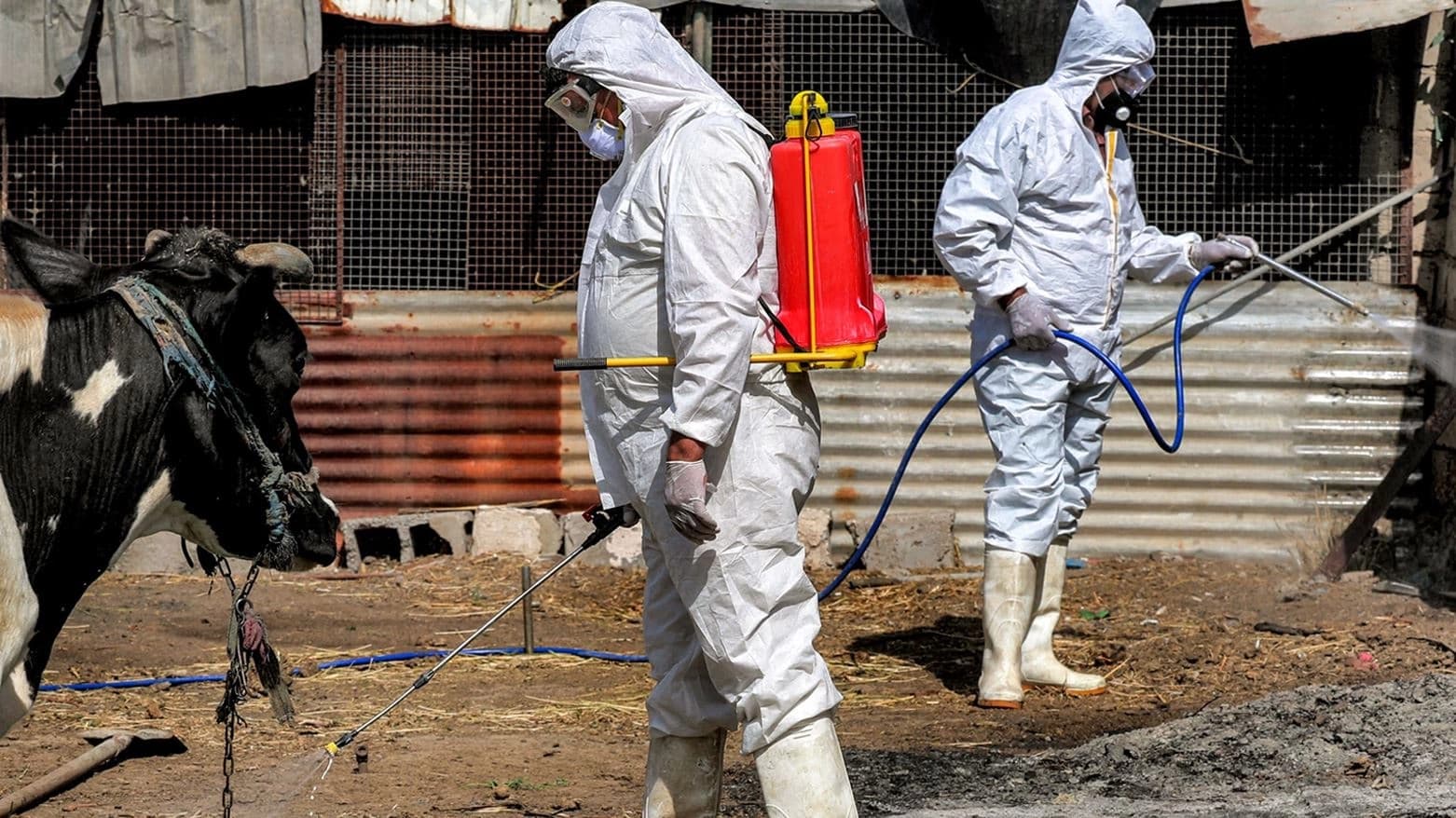
He noted that the province's veterinary department has since a long time launched a campaign to disinfect domesticated animals, adding the campaign has significantly contributed to contain the outbreak.
CCHF is a highly infectious viral disease transmitted through multiple routes, including bites from infected ticks, contact with blood or tissues of infected animals, exposure to bodily fluids of infected persons, and consumption of raw or undercooked meat from infected livestock.
While some cases present with mild symptoms, the CCHF is frequently fatal. Severe symptoms may include internal bleeding, coma, and multi-organ failure affecting the liver, kidneys, and respiratory system. The World Health Organization (WHO) estimates the fatality rate can reach up to 40 percent.
The Kurdistan Regional Government (KRG) has repeatedly urged people working with animals to seek immediate medical attention if they experience symptoms related to the disease.
The Kurdistan Region confirmed only six CCHF cases this year, including one fatal case in Duhok province. The remaining five who tested positive completely recovered and were discharged from hospitals.
Between April 15 and July 2, veterinary teams visited 2,622 villages in the Kurdistan Region; 1.7 million sheep, nearly 500,000 goats, goats, and over 36,000 cattle were disinfected, in addition to injecting at least 362,000 animals with pesticides, according to data obtained by Rudaw.
As of late July, Iraq had reported 231 confirmed infections, including 30 deaths, Saif al-Badr, Iraqi health ministry spokesperson told Rudaw at the time.
CCHF has been endemic in Iraq since 1979, but has seen a resurgence since 2021, particularly in the southern provinces, raising public health concerns.