


Kurdistan

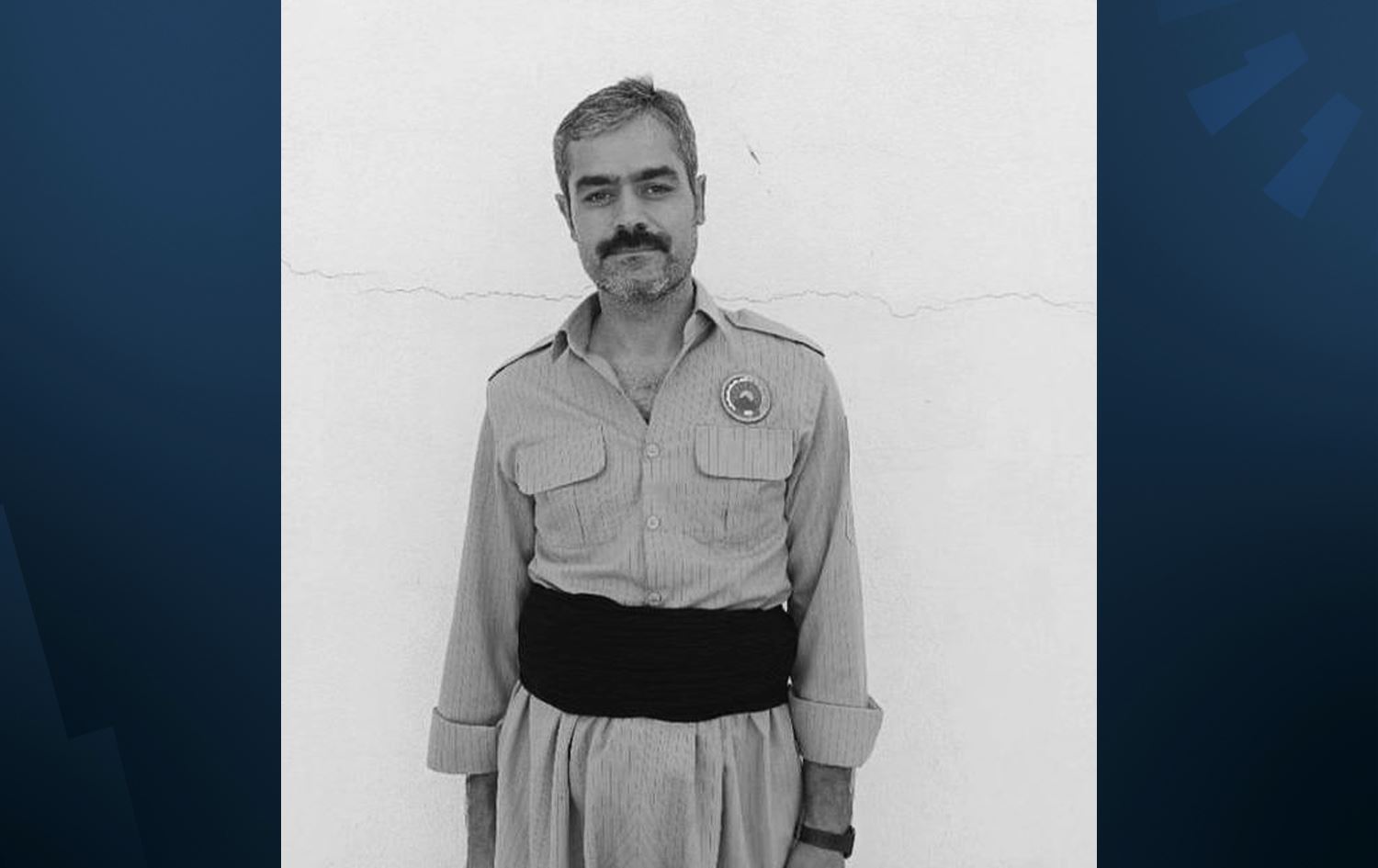
Siyamand Shaboyi, the 35-year-old Kurdistan Democratic Party of Iran (KDPI) member found dead in Erbil. Photo: submitted
ERBIL, Kurdistan Region - A member of the Kurdistan Democratic Party of Iran (KDPI) opposition group was found dead near a refugee camp north of Erbil city, a senior party official said. His death comes a day after Iran made fresh threats against the Kurdish groups based in the Kurdistan Region.
Siyamand Shaboyi, 35, was found dead near the Jezhnikan camp near Erbil’s Baharka area. A former Peshmerga of the KDPI, he had been missing since Tuesday. His body was found with a bullet wound in the back of his skull, a senior KDPI official told Rudaw’s Bahroz Faraidun, speaking on condition of anonymity.
The official added that Kurdistan Regional Government (KRG) authorities have launched an investigation into Shaboyi’s death.
The head of Hengaw Organization for Human Rights, Arsalan Yarahmadi, confirmed the death of Shaboyi, a blacksmith. He disappeared after a man driving a car with an Iraqi plate showed up at his workshop on Tuesday and asked him to measure his house door and windows. Shaboyi drove off with the man and was not seen again.
The KDPI is a Kurdish opposition party that has waged an on-and-off war against the Iranian government since the 1979 Islamic Revolution. It has been based in the Kurdistan Region since the 1980’s and Iran frequently bombards areas where the KDPI is present, including using ballistic missiles in what it says are efforts to target the group.
Tehran has threatened further military action if Baghdad and Erbil do not secure the border areas and disarm the several Kurdish opposition groups who have bases in the Kurdistan Region.
Iraqi and Kurdistan Region officials have repeatedly criticized the presence of exiled Kurdish opposition groups within their borders, saying they harm relations with neighbors.
On Friday, two KDPI members were killed in an overnight attack in Sulaimani province. The party issued a statement blaming the Iranian regime.


Comments
Rudaw moderates all comments submitted on our website. We welcome comments which are relevant to the article and encourage further discussion about the issues that matter to you. We also welcome constructive criticism about Rudaw.
To be approved for publication, however, your comments must meet our community guidelines.
We will not tolerate the following: profanity, threats, personal attacks, vulgarity, abuse (such as sexism, racism, homophobia or xenophobia), or commercial or personal promotion.
Comments that do not meet our guidelines will be rejected. Comments are not edited – they are either approved or rejected.
Post a comment