
ERBIL, Kurdistan Region - The Kurdistan Democratic Party (KDP) on Saturday said it is giving Baghdad a “final opportunity” to resolve their dispute over salaries, as tensions over budget allocations, oil exports, and public sector salaries continue to strain relations.
“We deemed it appropriate to give the federal Iraqi government in Baghdad a final opportunity to find a way to end this issue. We have always believed that if there is a way for dialogue, we also prefer to resolve issues through mutual understanding,” read a statement from the party.
Tensions between Erbil and Baghdad escalated in late May when the federal finance ministry halted all budget transfers to the Kurdistan Regional Government (KRG), including the salaries of over 1.2 million public employees. The ministry said the KRG had already received more than its 12.67 percent share of the 2025 federal budget and had failed to deliver its agreed share of oil to Baghdad.
The KDP said that Fuad Hussein, a member of the party and Iraq’s foreign minister, had spoken with Iraqi political parties and returned to the Kurdistan Region on Saturday with a message that Baghdad officials and political leaders have promised “that in the coming few days the matter of sending salaries and financial entitlements of the Kurdistan Region will be resolved.”
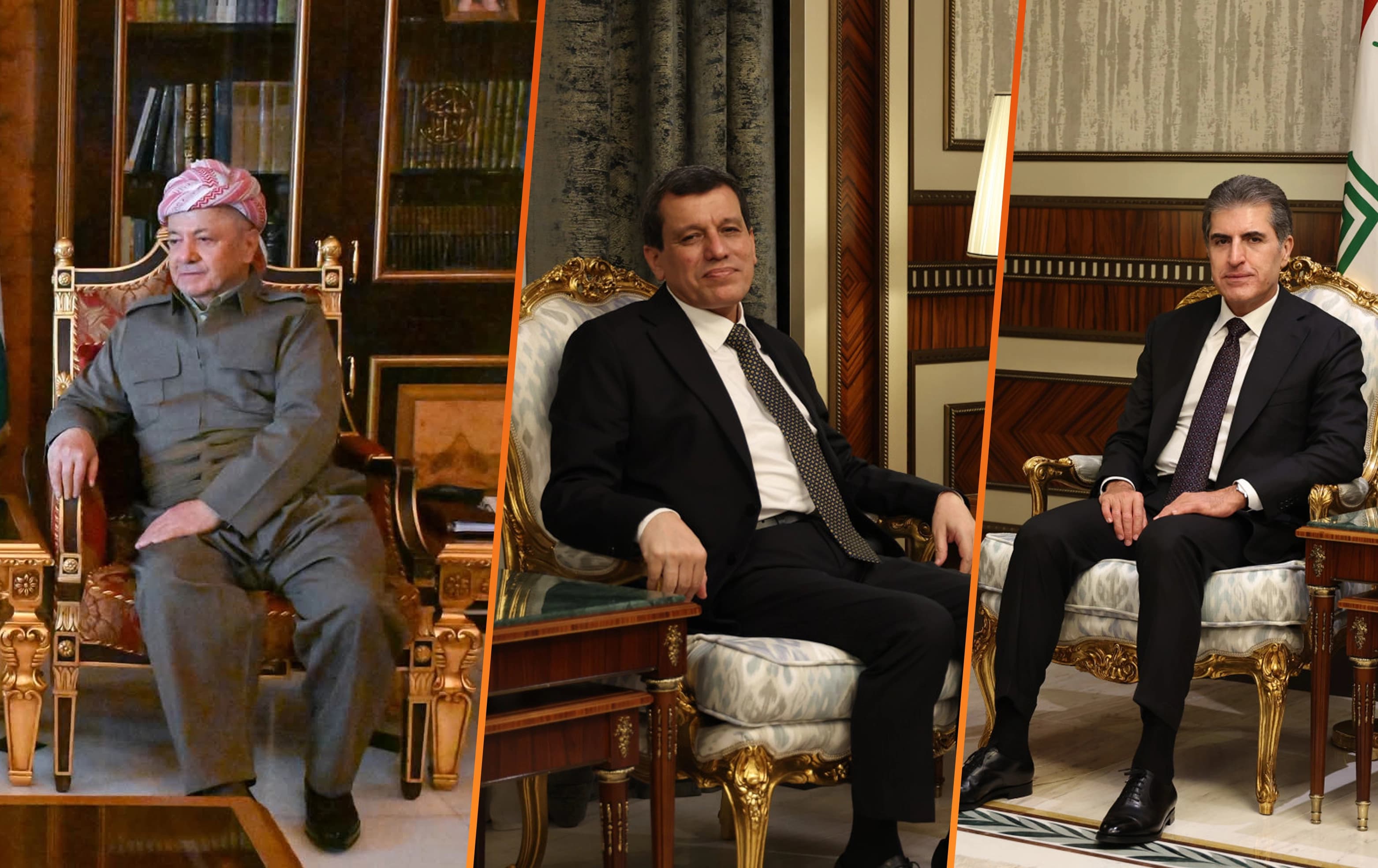
The KDP’s Political Bureau met on Saturday to determine its position on the dispute with Baghdad. The party is the largest in the Kurdistan Region where it shares power with the Patriotic Union of Kurdistan (PUK).
The dispute between Erbil and Baghdad has been exacerbated by the suspension of Kurdish oil exports through the Iraq-Turkey pipeline, which has been offline since March 2023. Earlier on Saturday, Iraq’s oil minister said that Erbil is demanding more oil for domestic consumption and this is delaying the resumption of exports.

.png&w=3840&q=75)