


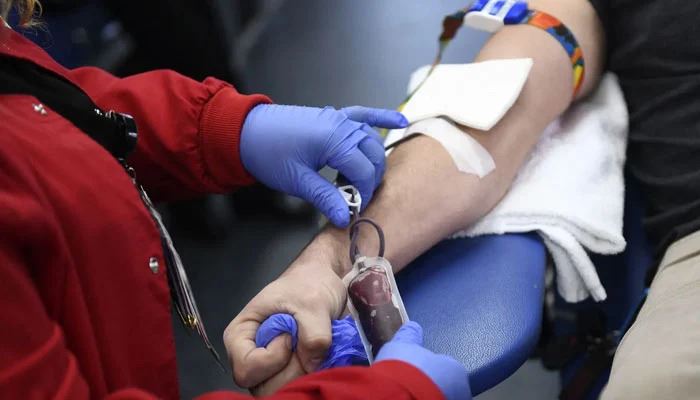
ERBIL, Kurdistan Region - The first of group of Thalassemia patients who spent 100 days abroad undergoing bone marrow transplants and receiving specialized treatment, returned to the Kurdistan Region, health minstry announced on Friday.
"Following the dispatch of four groups of Thalassemia patients and the continued efforts to send them abroad for bone marrow transplant surgeries, the first group of these patients, consisting of three Thalassemia patients, has successfully returned to the Kurdistan Region," the ministry said in a statement.
The return followed a directive from Prime Minister Masrour Barzani, according to the ministry, which also stated that after the patients underwent surgeries during a stay of approximately 100 days.
They have happily arrived back at their homes," the ministry said.
Dr. Mohammed Darwesh, a hematologist and member of the scientific and follow-up committee overseeing the transfers, told Rudaw that the patients had been sent to Turkey for the procedure.
Thalassemia is a group of inherited blood disorders that impair the body’s ability to produce hemoglobin, the oxygen-carrying component of red blood cells. The condition leads to varying degrees of anemia, often requiring lifelong medical management.
Treatment typically includes regular blood transfusions, iron chelation therapy, and, in some cases, stem cell or bone marrow transplants.
Darwesh explained that bone marrow transplants require several stages of compatibility testing with the donor to ensure the donated marrow functions properly inside the patient’s body.
“Those who undergo transplants will remain under observation and be evaluated for at least three years to guarantee the success and proper functioning of the transplanted marrow,” he said.
Currently, 172 citizens from the Kurdistan Region, including Thalassemia patients, donors, and their companions are abroad.
It added that all expenses, including travel, accommodation, examinations, surgeries, and treatments, are fully covered by the budget allocated by the Kurdistan Regional Government (KRG).
He added that the project is being carried out over two years, with patients sent in batches. “Each patient requires about 110 days. They are not returned to the Kurdistan Region until the transplant surgery is fully successful,” he noted, adding that only patients aged 3 to 17 qualify for the program.
The ministry also confirmed that the fifth batch of patients is scheduled to depart in the coming days.
The Kurdistan Region has over 3,000 registered Thalassemia patients across its three main provinces: 950 in Erbil, 1,387 in Sulaimani - including Halabja - and 819 in Duhok, according to data Rudaw has obtained from relevant authorities.
These numbers marks a significant increase by roughly 38 percent over the past decade.


Comments
Rudaw moderates all comments submitted on our website. We welcome comments which are relevant to the article and encourage further discussion about the issues that matter to you. We also welcome constructive criticism about Rudaw.
To be approved for publication, however, your comments must meet our community guidelines.
We will not tolerate the following: profanity, threats, personal attacks, vulgarity, abuse (such as sexism, racism, homophobia or xenophobia), or commercial or personal promotion.
Comments that do not meet our guidelines will be rejected. Comments are not edited – they are either approved or rejected.
Post a comment