ERBIL, Kurdistan Region - The Kurdistan Regional Government (KRG) announced on Wednesday that it has reached a new "understanding" with Baghdad aimed at resolving the ongoing budget dispute that has left more than 1.2 million public employees in the Kurdistan Region without salaries for over two months.
In an official statement, the KRG said it had "approved a new understanding" with the federal government regarding the disbursement of salaries and financial entitlements.
The night before, a fresh round of high-level meetings kicked off between Kurdish officials from the Kurdistan Democratic Party (KDP) and the Patriotic Union of Kurdistan (PUK) with top Iraqi leaders in Baghdad.
Rudaw learned that PUK leader Bafel Talabani and Iraqi Foreign Minister Fuad Hussein - a senior KDP figure - met with Iraqi Prime Minister Mohammed Shia’ al-Sudani on Tuesday. Supreme Judicial Council head Faiq Zidan also attended the meeting.
A source familiar with the matter said a member of the KDP politburo is also expected to join the talks, and that further meetings are planned for Wednesday with several political leaders, including from Iraq’s ruling Shiite-led Coordination Framework.
During the KRG’s regular cabinet session on Wednesday, Kurdistan Region Prime Minister Masrour Barzani and his Deputy Qubad Talabani “presented details of the mutual understanding that emerged yesterday [Tuesday] with Baghdad, regarding the provision of the Kurdistan Region's financial entitlements and its [corresponding] obligations.”
According to the KRG statement, the cabinet “welcomed” the understanding and “decided to implement the crux” of it, to prompt the federal government to facilitate “the transfer of salaries and financial dues from the federal government.”
Tensions between Erbil and Baghdad escalated in late May when Iraq’s federal finance ministry suspended budget transfers to the KRG. The ministry accused Erbil of receiving more than its 12.67 percent share of the federal budget and failing to deliver the agreed-upon volume of oil to the State Oil Marketing Organization (SOMO).
The suspension led to a halt in salary payments to public sector employees.
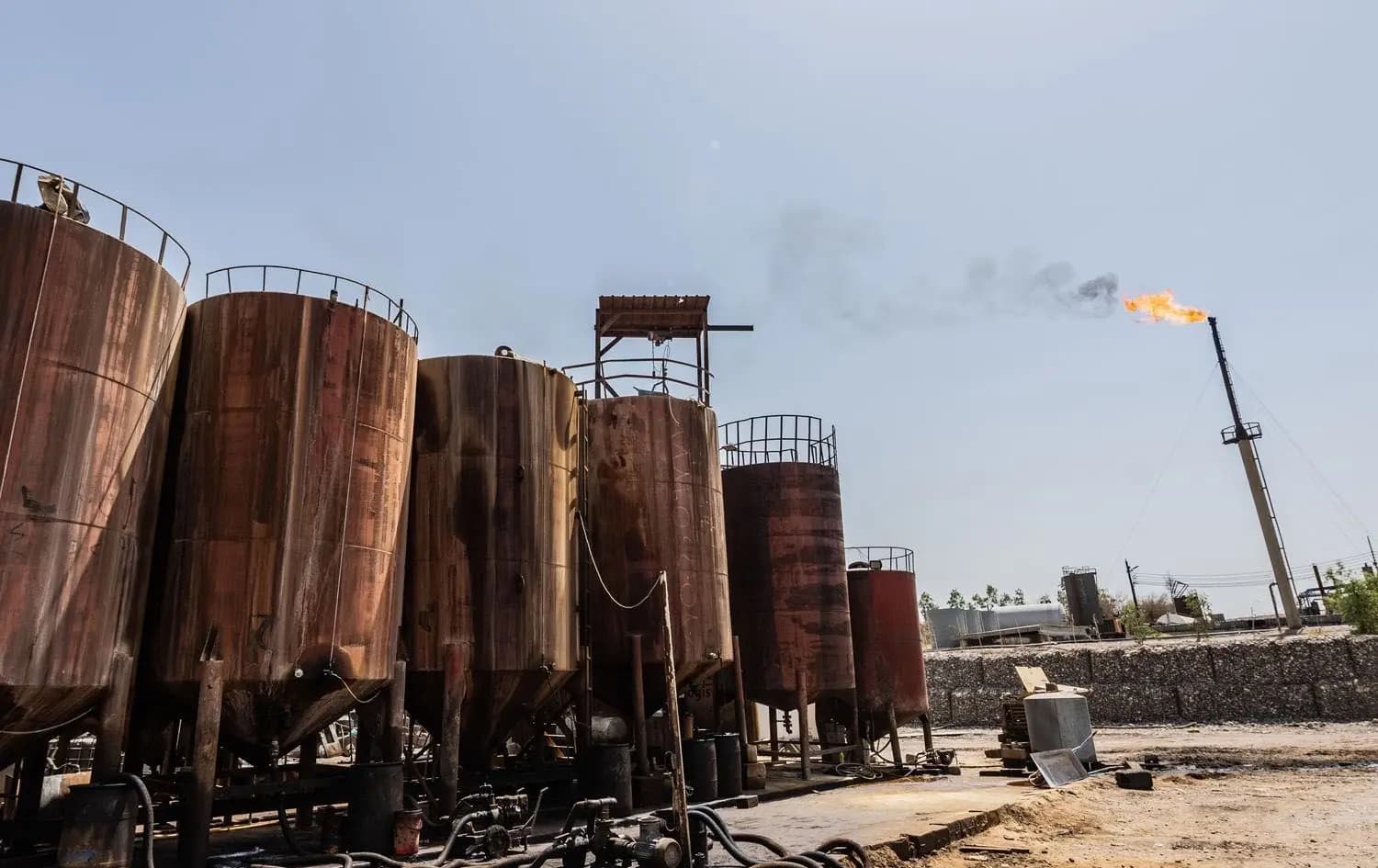
On a different note, Wednesday marked the third consecutive day of drone attacks targeting oil infrastructure in the Region.
The KRG cabinet strongly condemned the "terrorist attacks on the Kurdistan Region, especially the oil fields, which have caused significant material damage to the oil production process and are aimed at striking the Kurdistan Region's economic and energy infrastructure."
The KRG called on Baghdad to take responsibility by "putting an end to these attacks and taking legal action against the saboteurs."
Drone strikes in the Kurdistan Region have increased since the outbreak of a 12-day conflict between Israel and Iran that began on June 13 and ended with a US-brokered ceasefire.
While no group has claimed responsibility for the recent attacks, the Kurdistan Region’s interior ministry in early July accused the Popular Mobilization Forces (PMF) of involvement - an allegation Baghdad has dismissed as “unacceptable.”