


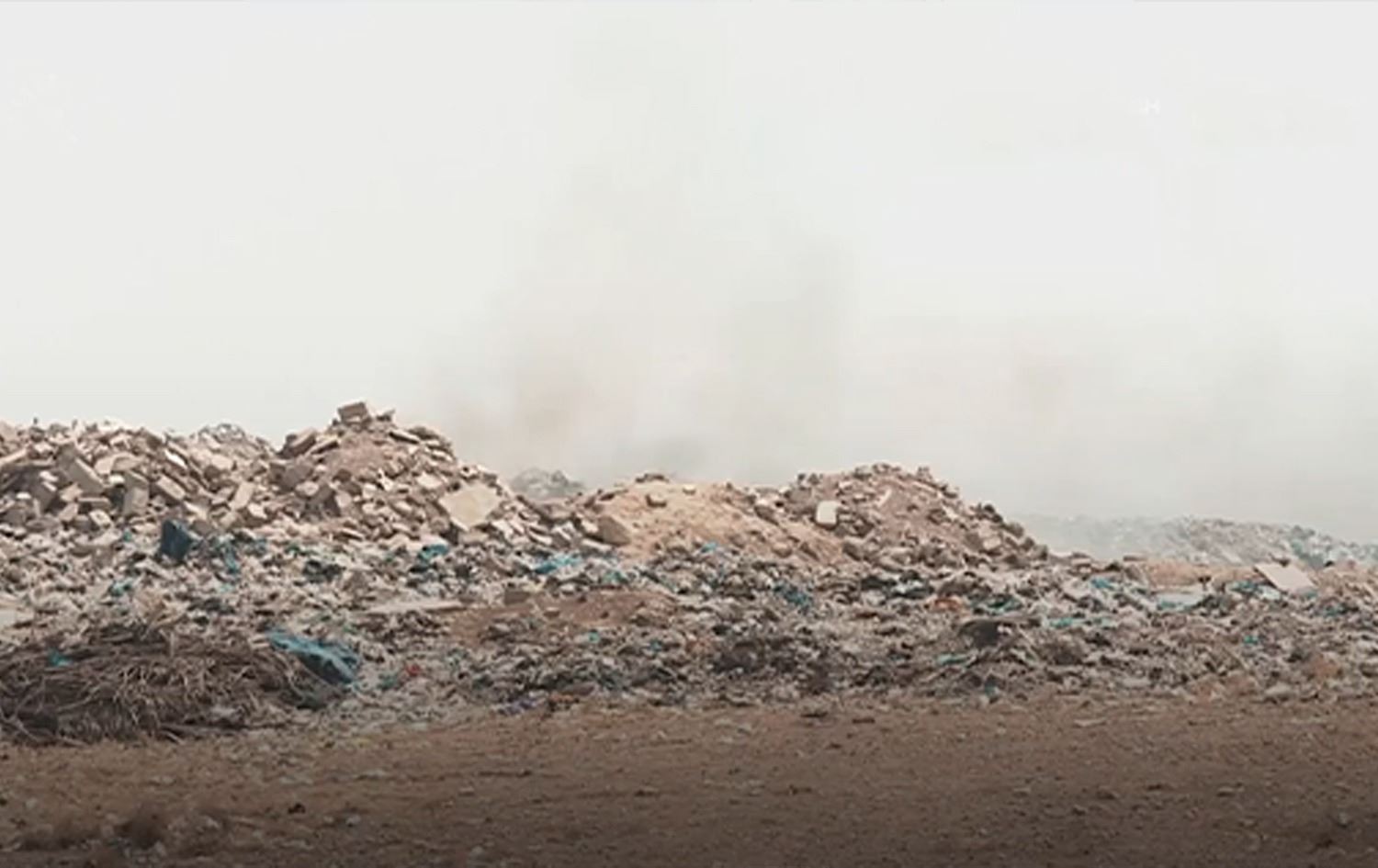
ERBIL, Kurdistan Region - Toxic fuel waste and garbage illegally dumped in ditches near eastern Erbil forced residents from their homes on Thursday night, as foul odours made breathing difficult, according to locals. City officials pledged to fill in the ditches.
“We don’t know if the smell is from gas or black oil. Masks are useless and we’re leaving our homes now,” a resident of Ashti neighborhood said in a video circulating on social media.
The foul odour spread through several neighborhoods of Erbil, particularly in the Ayanda and Ashti districts. Loudspeakers at a mosque in the Ayanda neighbourhood urged people to wear masks to protect their health as the odour intensified.
The smell came from ditches used for dumping garbage.
“Behind the Kasnazan subdistrict, several pits are being used for dumping garbage and waste, and sometimes garbage is set on fire. This has spread an unpleasant smell,” Lieutenant Colonel Shakhawan Saeed, spokesperson for Erbil’s Civil Defense Directorate, told Rudaw.
Before dawn on Friday, civil defense teams visited the site and discovered “some fuel tankers had dumped flammable waste materials in the pits, which was another cause of the smell last night,” Saeed added.
Before the source of the smell was identified, Dilshad Hirani, director of Erbil’s Environment Department, told Rudaw that “the sites where the smell spread from do not contain any gas plants and a specialized committee from the governorate has been formed to investigate the cause.”
Governor Omed Xoshnaw told Rudaw that they have sent teams to the site, “and they are currently filling the pits to prevent the odour from returning.”
Saeed said that to prevent this from happening again, the municipality must fill in the pits and prohibit illegal dumping of waste.
Garbage collected by the city is dumped in landfills. Illegal dumping of waste, including oil and toxic chemicals, is an environmental and health problem across the Kurdistan Region.
“We don’t know if the smell is from gas or black oil. Masks are useless and we’re leaving our homes now,” a resident of Ashti neighborhood said in a video circulating on social media.
The foul odour spread through several neighborhoods of Erbil, particularly in the Ayanda and Ashti districts. Loudspeakers at a mosque in the Ayanda neighbourhood urged people to wear masks to protect their health as the odour intensified.
The smell came from ditches used for dumping garbage.
“Behind the Kasnazan subdistrict, several pits are being used for dumping garbage and waste, and sometimes garbage is set on fire. This has spread an unpleasant smell,” Lieutenant Colonel Shakhawan Saeed, spokesperson for Erbil’s Civil Defense Directorate, told Rudaw.
Before dawn on Friday, civil defense teams visited the site and discovered “some fuel tankers had dumped flammable waste materials in the pits, which was another cause of the smell last night,” Saeed added.
Before the source of the smell was identified, Dilshad Hirani, director of Erbil’s Environment Department, told Rudaw that “the sites where the smell spread from do not contain any gas plants and a specialized committee from the governorate has been formed to investigate the cause.”
Governor Omed Xoshnaw told Rudaw that they have sent teams to the site, “and they are currently filling the pits to prevent the odour from returning.”
Saeed said that to prevent this from happening again, the municipality must fill in the pits and prohibit illegal dumping of waste.
Garbage collected by the city is dumped in landfills. Illegal dumping of waste, including oil and toxic chemicals, is an environmental and health problem across the Kurdistan Region.


Comments
Rudaw moderates all comments submitted on our website. We welcome comments which are relevant to the article and encourage further discussion about the issues that matter to you. We also welcome constructive criticism about Rudaw.
To be approved for publication, however, your comments must meet our community guidelines.
We will not tolerate the following: profanity, threats, personal attacks, vulgarity, abuse (such as sexism, racism, homophobia or xenophobia), or commercial or personal promotion.
Comments that do not meet our guidelines will be rejected. Comments are not edited – they are either approved or rejected.
Post a comment