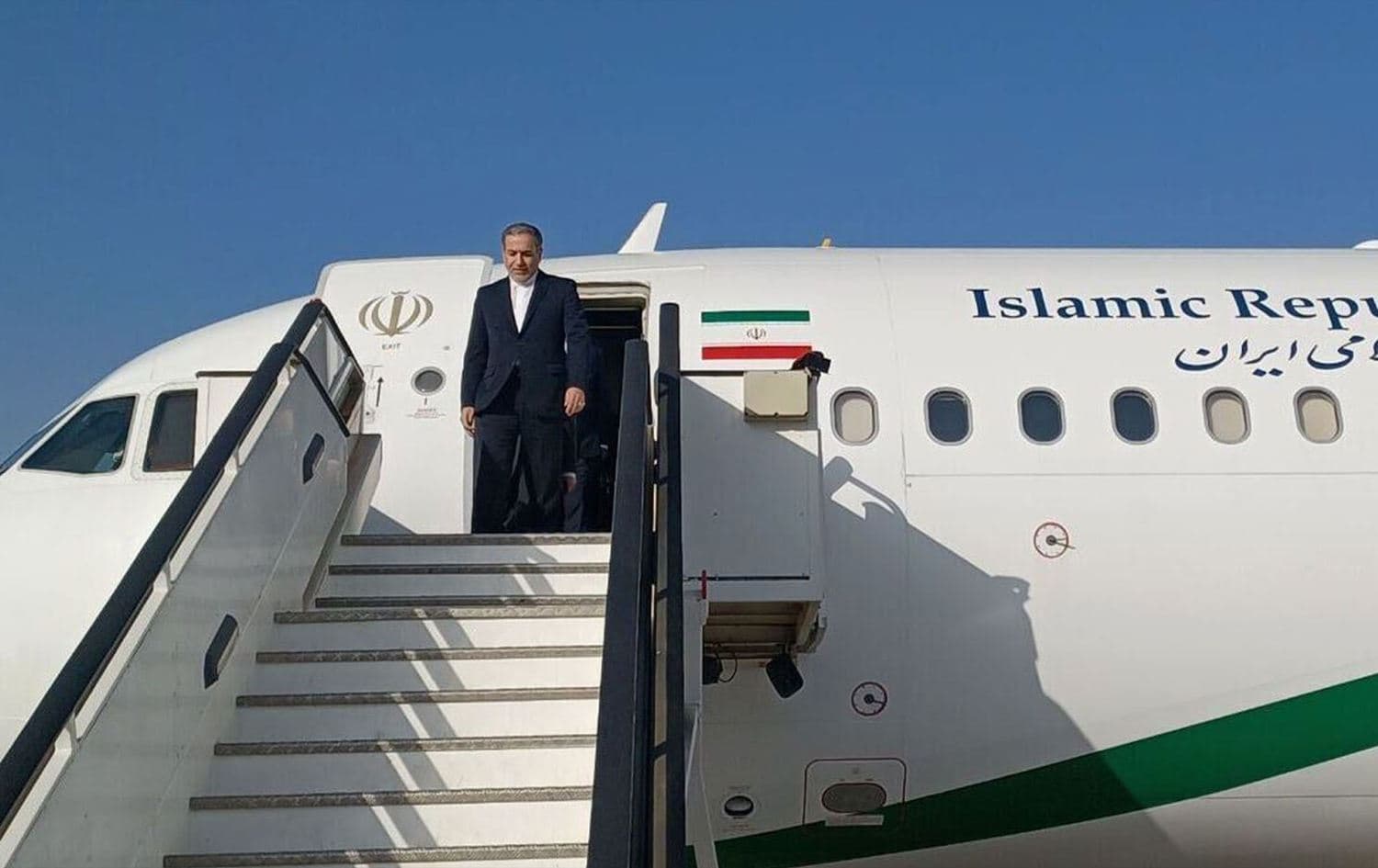
ERBIL, Kurdistan Region - Iranian Foreign Minister Abbas Araghchi is set to arrive in Islamabad on Friday evening as part of a regional tour that also includes Muscat and Moscow, amid stalled diplomacy with the United States.
Iranian state media reported that Araghchi “will begin a periodic trip to Islamabad, Muscat, and Moscow from Friday evening.” In a post on X, the foreign minister said the “purpose of my visits is to closely coordinate with our partners on bilateral matters and consult on regional developments,” adding, “Our neighbors are our priority.”
The visit comes after a two-week ceasefire between Washington and Tehran paused nearly six weeks of hostilities triggered by the US and Israel’s military campaign against Iran on February 28. High-level talks between US and Iranian delegations were held in Islamabad on April 11 but ended without a final agreement. The Iranian delegation included Araghchi and parliament speaker Mohammad Baqer Ghalibaf.
“The purpose of this trip is bilateral consultations, discussion and dialogue about current developments in the region, as well as the latest situation of the imposed war by the United States and the Israeli regime against Iran,” state media added about Araqchi’s tour.
A US delegation led by Vice President JD Vance had been expected to travel to Islamabad for follow-up talks this week. Still, Iran said it would not return to negotiations, citing Washington’s naval blockade on its ports.
The Pakistan-mediated ceasefire was reached on April 8, pausing the war and opening the door for negotiations, but no breakthrough has been achieved so far.
US President Donald Trump said Tuesday he agreed to extend the ceasefire at Pakistan’s request, giving Tehran more time to submit a “unified proposal” for a potential agreement.
Tensions remain high. On April 13, Washington imposed a naval blockade on Iranian maritime traffic. US forces have since intercepted vessels linked to Iran, with the Department of War saying Thursday a “sanctioned stateless vessel” was interdicted in the Indian Ocean. US Secretary of War said in a Friday press conference that 34 vessels have been turned back as part of the operation.
In response to the US-Israeli military campaign, Iran has maintained restrictions on the Strait of Hormuz. Iranian Parliament Speaker Mohammad Bagher Ghalibaf said Wednesday that “reopening the Strait of Hormuz is not possible” under current conditions.
Araghchi on Tuesday described the “blockading” of Iranian ports as “an act of war,” warning that Iran “knows how to neutralize restrictions, how to defend its interests, and how to resist bullying.”
Updated at 5:40 pm.