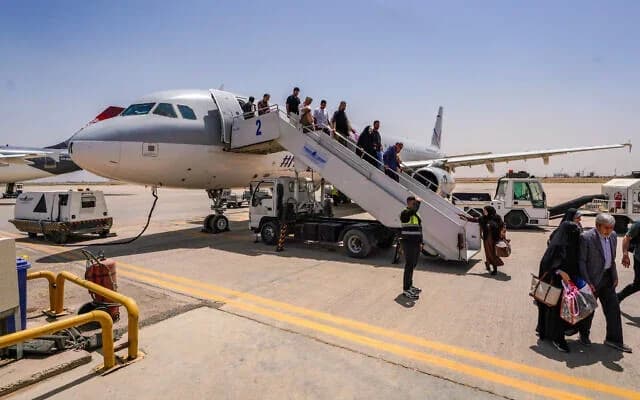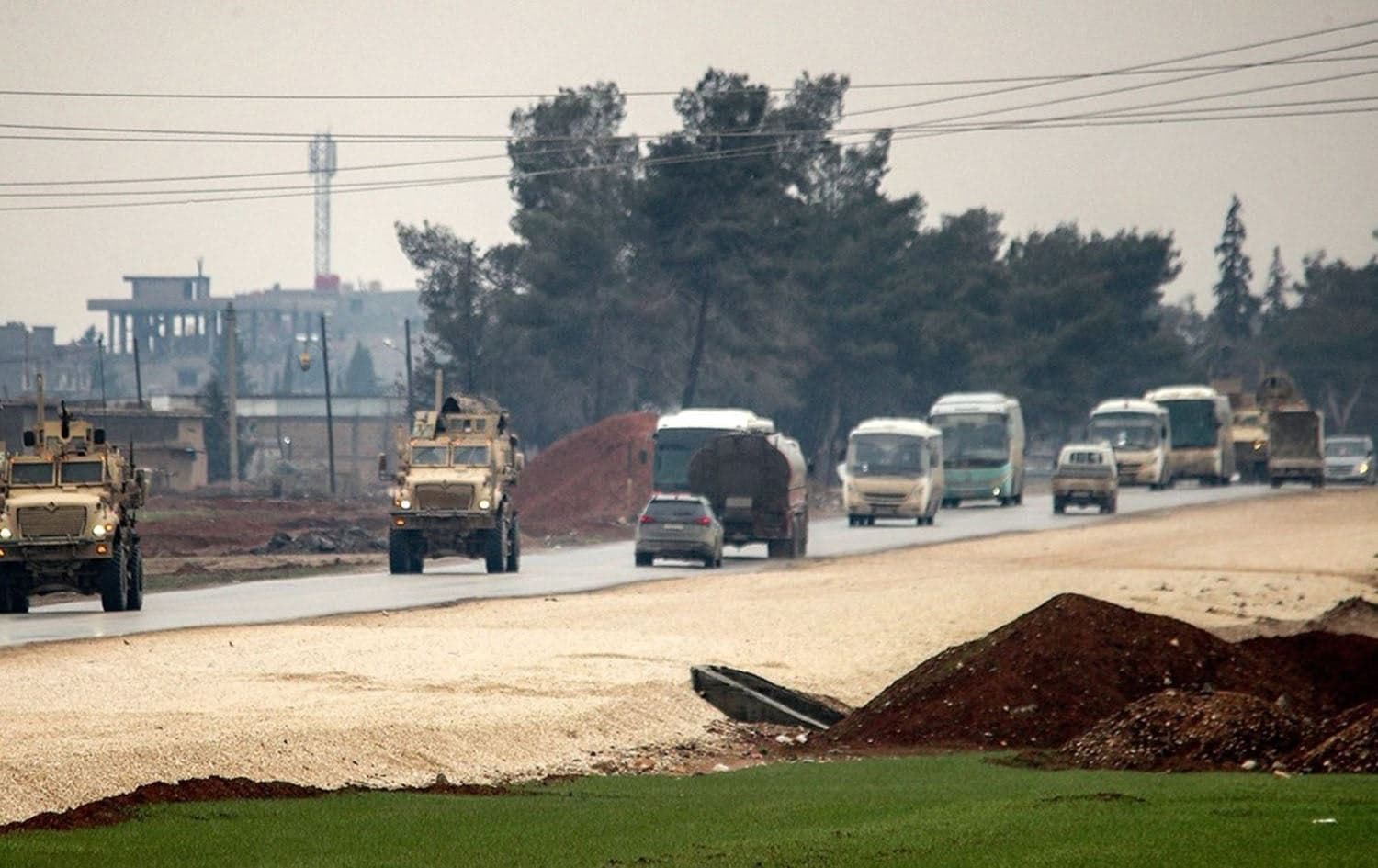
ERBIL, Kurdistan Region - Thousands of Islamic State (ISIS) militants who are being transferred from Syria to Iraqi prisons include individuals accused of committing atrocities against the Yazidi community, an Iraqi official said on Sunday.
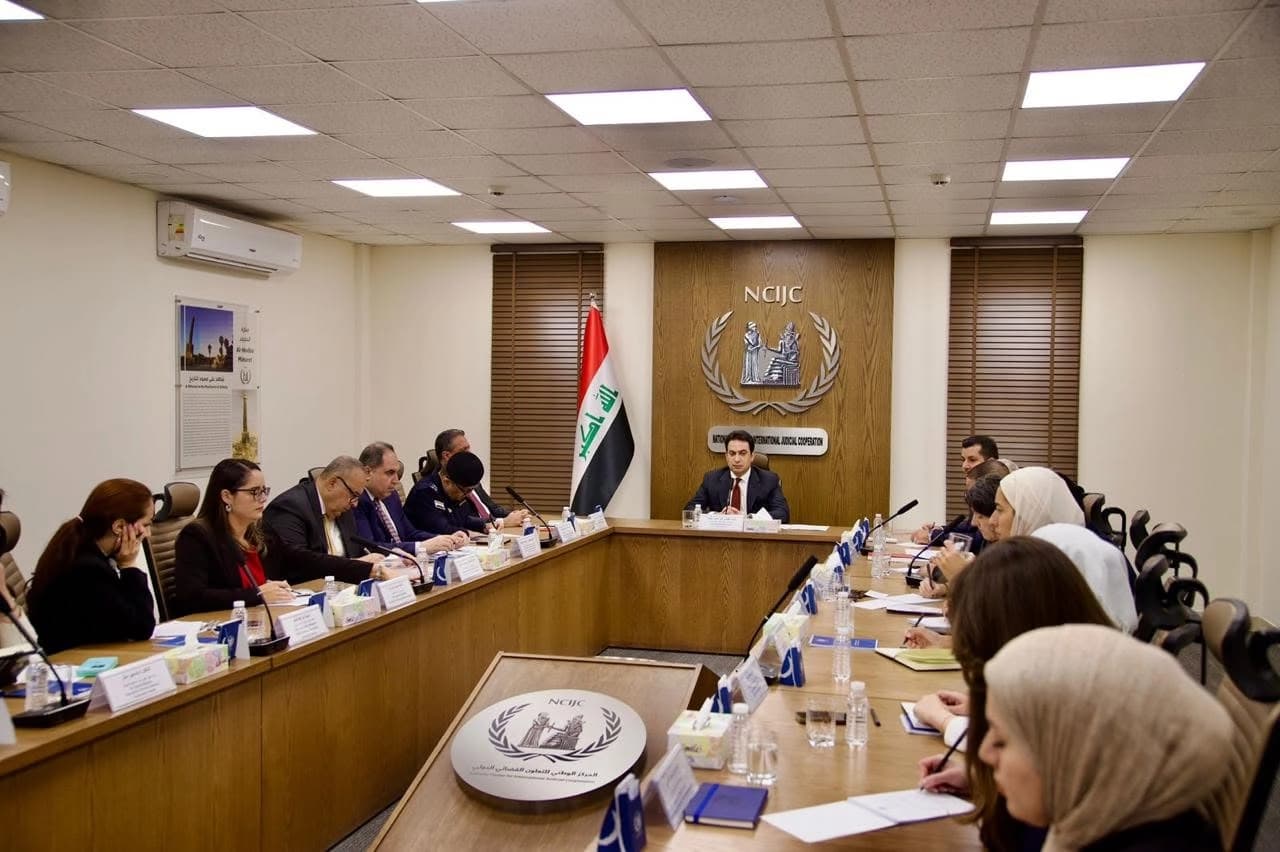
Ali Dhia, assistant head of Iraq’s National Center for International Judicial Cooperation (NCIJC), an affiliate of the Iraqi Supreme Judicial Council, told state-run Iraqi News Agency (INA) that among the 7,000 to 8,000 ISIS prisoners being transferred to Iraq are “individuals who committed crimes against our Yazidi people, as well as those involved in crimes involving the use of chemical weapons in Iraq during the period of ISIS control.”
Iraq has launched preliminary investigations on those prisoners who have arrived in the country.
"Preliminary investigations have revealed that a number of them are considered highly dangerous, are leaders within ISIS terrorist gangs, and are perpetrators of genocide and crimes against humanity against Iraqi components," Dhia said.
According to the official, the investigation and trial process began late January, following the transfer of ISIS detainees from the Kurdish-led Syrian Democratic Forces (SDF)-controlled areas in northeast Syria (Rojava).
In mid-January, the Syrian Arab Army and allied armed groups advanced into areas held by the SDF across several northeastern cities.
The SDF, which serves as the de facto military force in Rojava and key ally of the US-led Global Coalition to Defeat ISIS, had previously liberated these areas, maintaining control to prevent an ISIS resurgence.
After weeks of intense clashes, the SDF and Damascus announced on January 29 that they had reached an internationally brokered agreement to end hostilities and integrate Rojava’s civil and military institutions, including the Kurdish-led forces, into state institutions.
As of Friday, Iraq has transferred 2,250 jailed ISIS militants into the country by air and land as part of an ongoing operation coordinated with the US-led international coalition, Iraqi Security Media Cell spokesperson Saad Maan told Rudaw on Saturday.
According to Dhia, the suspects hail from 42 different countries, and “their extradition to their home countries cannot be discussed until the investigations are completed, which is expected to take four to six months.”
Dhia also said that "the task of investigating the suspects transferred from Syria to Iraq was assigned to the First Karkh Investigative Court, which is the court specialized in terrorism cases."
ISIS in June 2014 seized large parts of northern and western Iraq. By August, the group launched a brutal campaign against the Yazidi community in northern Iraq’s Shingal (Sinjar), killing an estimated 5,000 to 10,000 Yazidi men and older women, and abducting 6,000 to 7,000 women and girls for sexual slavery and human trafficking.
A total of 3,593 survivors have since been rescued, according to the Office of Rescuing Abducted Yazidis - an affiliate of the Kurdistan Region’s presidency - as efforts continue to locate those still missing.
Yazidi representatives in the Kurdistan Region have confirmed they are preparing legal complaints against ISIS members accused of targeting their community.
Saud Misto, head of Yazidi Affairs at the Region's Ministry of Endowment and Religious Affairs, told Rudaw on Monday that while authorities are aware the militants transferred to Iraq “are perpetrators of the genocide against the Yazidis,” their identities “have not been disclosed as of today.”
"We will certainly follow up on those ISIS militants accused of crimes in Shingal and against the Yazidi people, and we will file legal lawsuits against them,” Misto added.
For his part, Hussein Qaidi, head of the Office of Rescuing Abducted Yazidis told Rudaw on Monday that the UN Investigative Team to Promote Accountability for Crimes Committed by ISIS (UNITAD) and the Ministry of Interior have gathered thousands of documents.
"Whether in Iraq or any other country, if necessary for the trial of ISIS militants, all evidence will be made available,” he said.
The Iraqi judiciary has emphasized that all trials will be conducted exclusively under Iraqi law, and the detainees had not faced prior trials in Syria, according to Dhia.
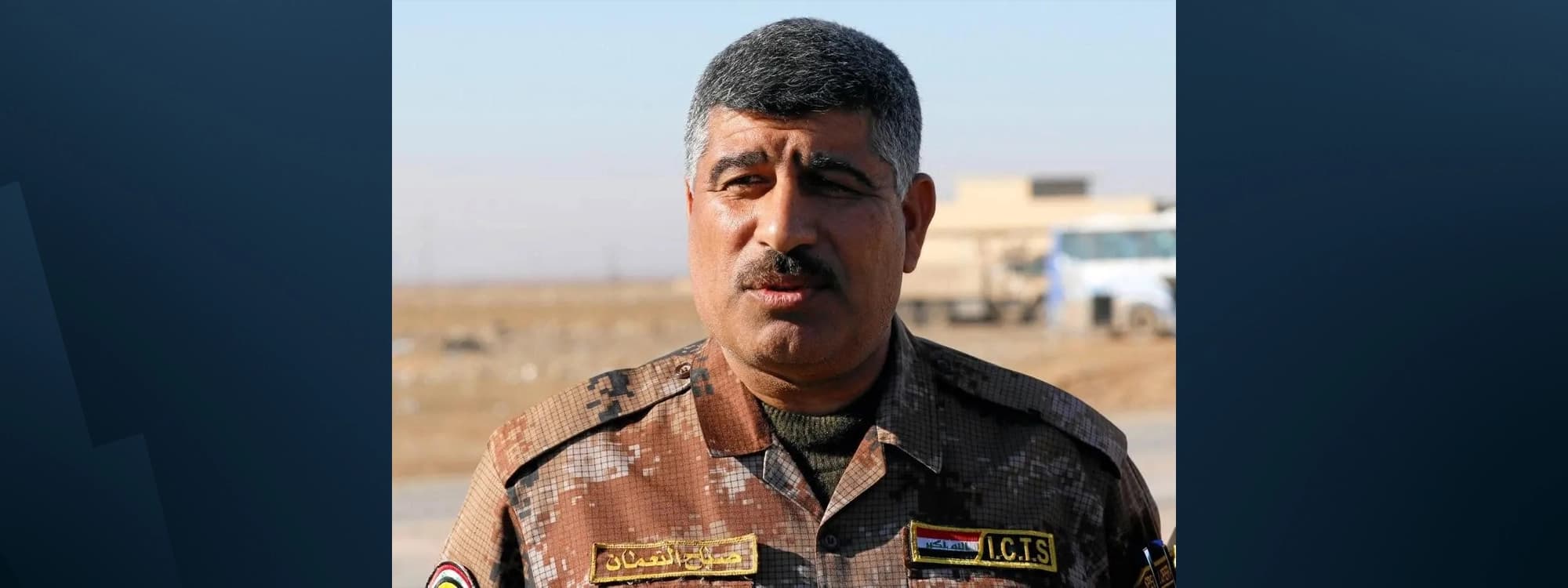
Ali Dhia, assistant head of Iraq’s National Center for International Judicial Cooperation (NCIJC), an affiliate of the Iraqi Supreme Judicial Council, told state-run Iraqi News Agency (INA) that among the 7,000 to 8,000 ISIS prisoners being transferred to Iraq are “individuals who committed crimes against our Yazidi people, as well as those involved in crimes involving the use of chemical weapons in Iraq during the period of ISIS control.”
Iraq has launched preliminary investigations on those prisoners who have arrived in the country.
"Preliminary investigations have revealed that a number of them are considered highly dangerous, are leaders within ISIS terrorist gangs, and are perpetrators of genocide and crimes against humanity against Iraqi components," Dhia said.
According to the official, the investigation and trial process began late January, following the transfer of ISIS detainees from the Kurdish-led Syrian Democratic Forces (SDF)-controlled areas in northeast Syria (Rojava).
In mid-January, the Syrian Arab Army and allied armed groups advanced into areas held by the SDF across several northeastern cities.
The SDF, which serves as the de facto military force in Rojava and key ally of the US-led Global Coalition to Defeat ISIS, had previously liberated these areas, maintaining control to prevent an ISIS resurgence.
After weeks of intense clashes, the SDF and Damascus announced on January 29 that they had reached an internationally brokered agreement to end hostilities and integrate Rojava’s civil and military institutions, including the Kurdish-led forces, into state institutions.
As of Friday, Iraq has transferred 2,250 jailed ISIS militants into the country by air and land as part of an ongoing operation coordinated with the US-led international coalition, Iraqi Security Media Cell spokesperson Saad Maan told Rudaw on Saturday.
According to Dhia, the suspects hail from 42 different countries, and “their extradition to their home countries cannot be discussed until the investigations are completed, which is expected to take four to six months.”
Dhia also said that "the task of investigating the suspects transferred from Syria to Iraq was assigned to the First Karkh Investigative Court, which is the court specialized in terrorism cases."
ISIS in June 2014 seized large parts of northern and western Iraq. By August, the group launched a brutal campaign against the Yazidi community in northern Iraq’s Shingal (Sinjar), killing an estimated 5,000 to 10,000 Yazidi men and older women, and abducting 6,000 to 7,000 women and girls for sexual slavery and human trafficking.
A total of 3,593 survivors have since been rescued, according to the Office of Rescuing Abducted Yazidis - an affiliate of the Kurdistan Region’s presidency - as efforts continue to locate those still missing.
Yazidi representatives in the Kurdistan Region have confirmed they are preparing legal complaints against ISIS members accused of targeting their community.
Saud Misto, head of Yazidi Affairs at the Region's Ministry of Endowment and Religious Affairs, told Rudaw on Monday that while authorities are aware the militants transferred to Iraq “are perpetrators of the genocide against the Yazidis,” their identities “have not been disclosed as of today.”
"We will certainly follow up on those ISIS militants accused of crimes in Shingal and against the Yazidi people, and we will file legal lawsuits against them,” Misto added.
For his part, Hussein Qaidi, head of the Office of Rescuing Abducted Yazidis told Rudaw on Monday that the UN Investigative Team to Promote Accountability for Crimes Committed by ISIS (UNITAD) and the Ministry of Interior have gathered thousands of documents.
"Whether in Iraq or any other country, if necessary for the trial of ISIS militants, all evidence will be made available,” he said.
The Iraqi judiciary has emphasized that all trials will be conducted exclusively under Iraqi law, and the detainees had not faced prior trials in Syria, according to Dhia.
Comments
Rudaw moderates all comments submitted on our website. We welcome comments which are relevant to the article and encourage further discussion about the issues that matter to you. We also welcome constructive criticism about Rudaw.
To be approved for publication, however, your comments must meet our community guidelines.
We will not tolerate the following: profanity, threats, personal attacks, vulgarity, abuse (such as sexism, racism, homophobia or xenophobia), or commercial or personal promotion.
Comments that do not meet our guidelines will be rejected. Comments are not edited – they are either approved or rejected.
Post a comment