


ERBIL, Kurdistan Region — On the borders between ethnic groups and nations, Yezidis for decades have been at the mercy of whatever group controls their homeland. Now, coming out of genocide, the community remains uprooted, afraid, angry, and at a crossroads where they have to decide their best path forward in post-ISIS Iraq.
The number of Yezidi political parties has doubled to four vying for the one quota seat allocated to the minority in Iraq. There are also 10s of candidates running on Kurdish and Iraqi lists for the parliamentary elections on Saturday.
But the population, most of who are still displaced, carrying the fresh wounds of genocide, and suffering under crippling unemployment as high as 80 percent according to Yazda estimates, has little faith in the democratic systems that have failed them.
“A lot of people don’t even believe in the democratic process,” Murad Ismael, the executive director of Yezidi activist organization Yazda, told Rudaw English.
This lack of faith in Iraq’s democracy is tied to the failure to provide justice for the crimes committed under ISIS rule, he explained.
“They are asking, ‘If this country has justice, perpetrators would have already been in the court. If this country had justice, our women would already have been returned… this wouldn’t happen to us, we would be taken back to our homes.’ ”
Of the more than 6,000 Yezidi women and children who were taken captive by ISIS, about half remain unaccounted for.
Roughly two-thirds of the population is living in camps, unable to return home.
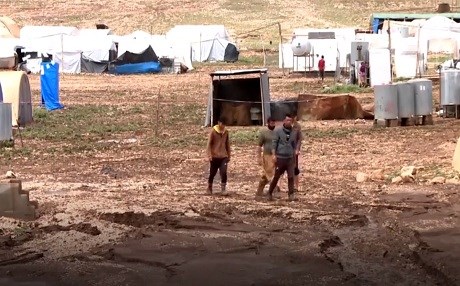
Heavy rains wreaked havoc on the camps this past week, highlighting the despair people living in tents feel as they are asked to cast ballots in support of parties that they said don’t show up when help is needed.
"When the weather conditions were good, each day a Jeep would come and say ‘Vote for us.’ When it rained they said, ‘We cannot visit you and cannot meet with you,’” Ali Hurin, living in an IDP camp, told Rudaw’s Tahsin Qasim. “I will not vote for anyone. Will they restore our belongings and stores? They are starving. There is nothing left.”
The Yezidi homeland exists where Kurds and Arabs meet, at the borders of Iraq, Syria, and Turkey. It is within the disputed areas, as defined by the Iraqi constitution.
“We are in this difficult geopolitical, social, political, geographic zone. And it keeps changing,” said Ismael, pointing out that the Yezidis have to build and rebuild alliances each time Iraq transforms.
Before 2003, the rule of Saddam Hussein was absolute — as it was across Baathist Iraq. Yezidis at those times built alliances with Sunni Arabs.
After 2003, Kurdish influence grew and Yezidis strengthened their ties with the Kurdistan Region through increasing education and business ties. Some 85 percent of Yezidi political engagement is through the Kurdish parties.
After the genocide and the Iraqi takeover of the disputed areas, Yezidis now find they have to build ties with the central government and the Shiite-led Hashd al-Shaabi.
This is further complicated by the fact that when a new group takes control, they don’t just change the leadership, they alter the mindset.
“If someone comes to Sinjar, they not only change the mayor, they even change the school curriculum. They even change the way people believe in the state. They change the identity of the Yezidi community,” said Ismael.
Iraq will go to the polls on Saturday to elect its first post-ISIS government.
Ismael believes that a strong, moderate voice that would put Yezidi interests first and have the ability to establish relations based on respect with both Kurds and Iraqis is one option for the community.
One who has tried to create a new political front to advocate for Yezidi rights in Baghdad is Haider Shesho who formed the Yezidi Democratic Party.
But without money, these small parties cannot survive, especially in a country where people live off political parties rather than the state, Ismael explained.
Another option is to align with the existing political blocks on a quid pro quo basis.
Either way, Ismael said Yezidis should not be caught up in disputes between Erbil and Baghdad. “We don’t need riders for other people’s horses. We need a rider for our own horse,” he said.
A Yezidi leader has called for the community, both in Iraq and the diaspora, to get out and vote to make the Yezidi voice heard in Baghdad.
“The bigger the turnout is, the stronger their position might become,” said Mir Tahsin Said Beg.
The number of Yezidi political parties has doubled to four vying for the one quota seat allocated to the minority in Iraq. There are also 10s of candidates running on Kurdish and Iraqi lists for the parliamentary elections on Saturday.
But the population, most of who are still displaced, carrying the fresh wounds of genocide, and suffering under crippling unemployment as high as 80 percent according to Yazda estimates, has little faith in the democratic systems that have failed them.
“A lot of people don’t even believe in the democratic process,” Murad Ismael, the executive director of Yezidi activist organization Yazda, told Rudaw English.
This lack of faith in Iraq’s democracy is tied to the failure to provide justice for the crimes committed under ISIS rule, he explained.
“They are asking, ‘If this country has justice, perpetrators would have already been in the court. If this country had justice, our women would already have been returned… this wouldn’t happen to us, we would be taken back to our homes.’ ”
Of the more than 6,000 Yezidi women and children who were taken captive by ISIS, about half remain unaccounted for.
Roughly two-thirds of the population is living in camps, unable to return home.
Heavy rains wreaked havoc on the camps this past week, highlighting the despair people living in tents feel as they are asked to cast ballots in support of parties that they said don’t show up when help is needed.
"When the weather conditions were good, each day a Jeep would come and say ‘Vote for us.’ When it rained they said, ‘We cannot visit you and cannot meet with you,’” Ali Hurin, living in an IDP camp, told Rudaw’s Tahsin Qasim. “I will not vote for anyone. Will they restore our belongings and stores? They are starving. There is nothing left.”
The Yezidi homeland exists where Kurds and Arabs meet, at the borders of Iraq, Syria, and Turkey. It is within the disputed areas, as defined by the Iraqi constitution.
“We are in this difficult geopolitical, social, political, geographic zone. And it keeps changing,” said Ismael, pointing out that the Yezidis have to build and rebuild alliances each time Iraq transforms.
Before 2003, the rule of Saddam Hussein was absolute — as it was across Baathist Iraq. Yezidis at those times built alliances with Sunni Arabs.
After 2003, Kurdish influence grew and Yezidis strengthened their ties with the Kurdistan Region through increasing education and business ties. Some 85 percent of Yezidi political engagement is through the Kurdish parties.
After the genocide and the Iraqi takeover of the disputed areas, Yezidis now find they have to build ties with the central government and the Shiite-led Hashd al-Shaabi.
This is further complicated by the fact that when a new group takes control, they don’t just change the leadership, they alter the mindset.
“If someone comes to Sinjar, they not only change the mayor, they even change the school curriculum. They even change the way people believe in the state. They change the identity of the Yezidi community,” said Ismael.
Iraq will go to the polls on Saturday to elect its first post-ISIS government.
Ismael believes that a strong, moderate voice that would put Yezidi interests first and have the ability to establish relations based on respect with both Kurds and Iraqis is one option for the community.
One who has tried to create a new political front to advocate for Yezidi rights in Baghdad is Haider Shesho who formed the Yezidi Democratic Party.
But without money, these small parties cannot survive, especially in a country where people live off political parties rather than the state, Ismael explained.
Another option is to align with the existing political blocks on a quid pro quo basis.
Either way, Ismael said Yezidis should not be caught up in disputes between Erbil and Baghdad. “We don’t need riders for other people’s horses. We need a rider for our own horse,” he said.
A Yezidi leader has called for the community, both in Iraq and the diaspora, to get out and vote to make the Yezidi voice heard in Baghdad.
“The bigger the turnout is, the stronger their position might become,” said Mir Tahsin Said Beg.
Comments
Rudaw moderates all comments submitted on our website. We welcome comments which are relevant to the article and encourage further discussion about the issues that matter to you. We also welcome constructive criticism about Rudaw.
To be approved for publication, however, your comments must meet our community guidelines.
We will not tolerate the following: profanity, threats, personal attacks, vulgarity, abuse (such as sexism, racism, homophobia or xenophobia), or commercial or personal promotion.
Comments that do not meet our guidelines will be rejected. Comments are not edited – they are either approved or rejected.
Post a comment