
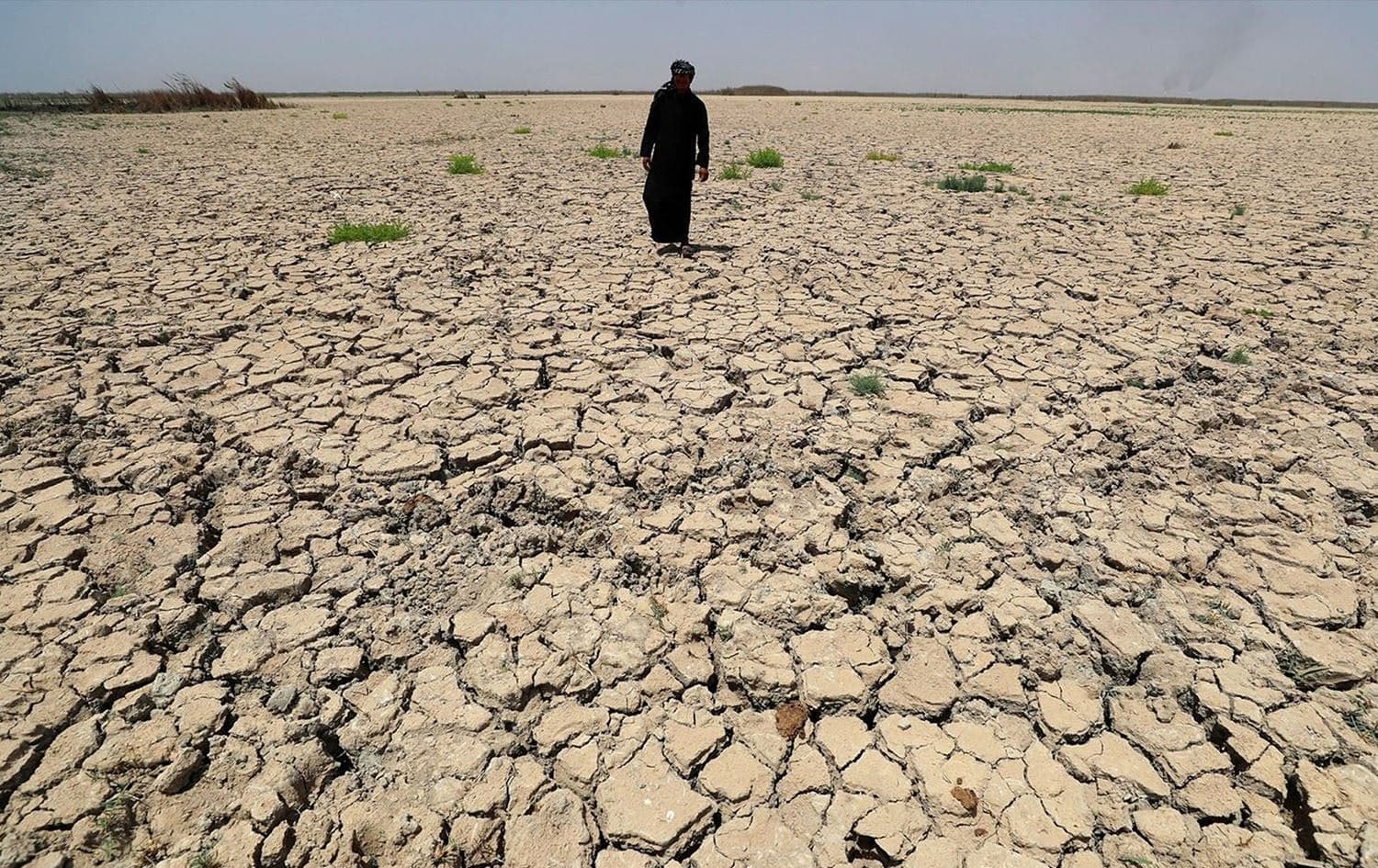

ERBIL, Kurdistan Region -Iraq and the Kurdistan Region are heading toward a water crisis of historic proportions, with per capita water availability expected to be slashed by half within the next decade, according to a new report by the Rudaw Research Center.
Authored by Khalil Karim Mohammed, a geography lecturer at Sulaimani University, and Mahmoud Baban of the Rudaw Research Center, the report warns that the region is “confronting an unprecedented threat of drought,” with potential long-term consequences for public health, agriculture, and regional stability.
The findings indicate that current annual renewable water availability per person is approximately 600 cubic meters - well below the international standard of 1,000 cubic meters - and is projected to “decrease by half or more over the next decade.”
Adding to the strain, Iraq is among the world’s highest water-consuming nations, with a staggering 73 percent of its water consumption attributed to the agricultural sector alone. The severity of the crisis is underscored by the World Resources Institute, which ranks Iraq “among the 25 countries facing the highest levels of baseline water stress.”
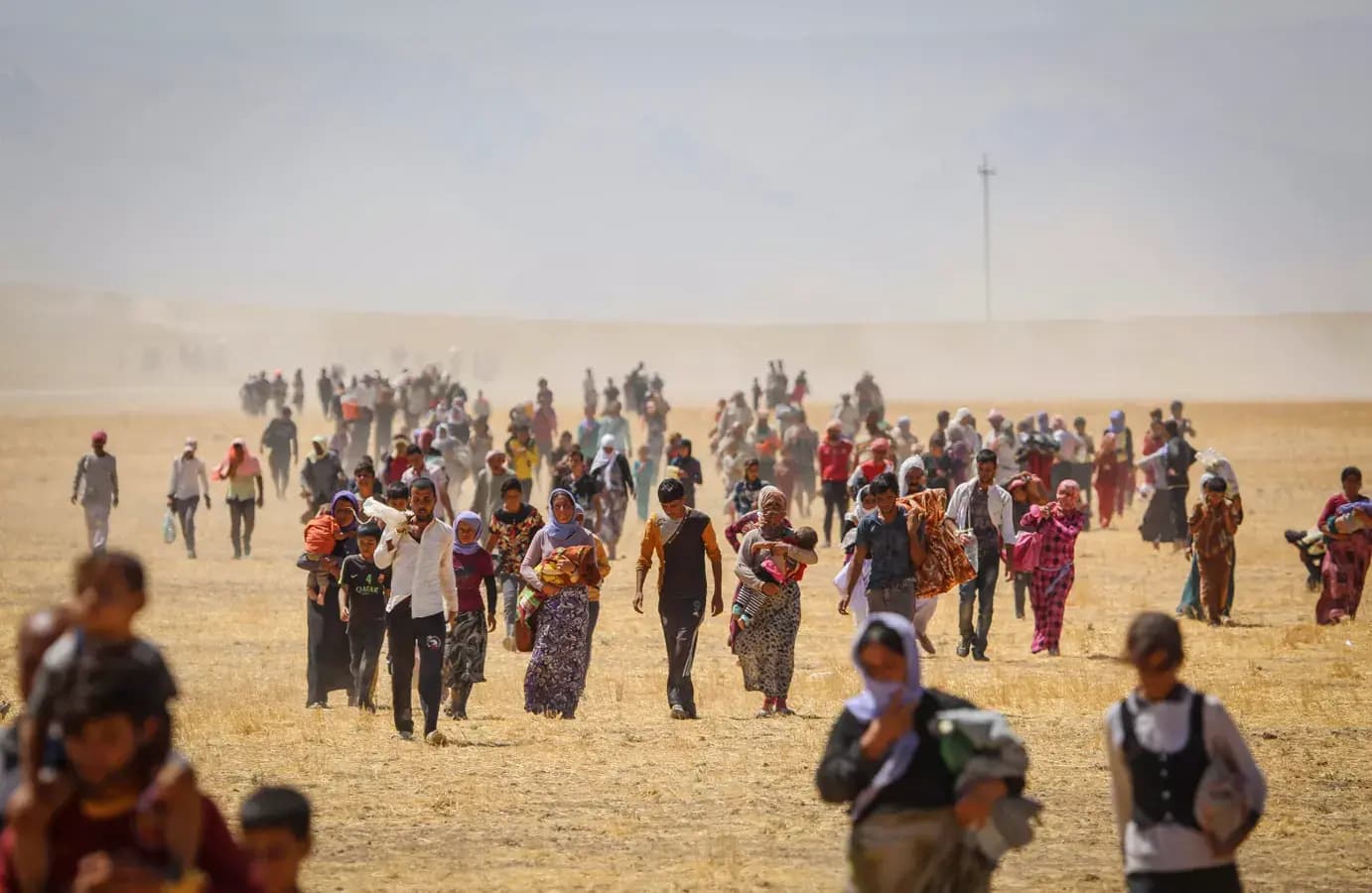
According to the report, the human impact of the crisis is becoming increasingly visible, particularly through internal displacement.
Moreover, the publication notes that a significant part of the crisis is attributed to the actions of neighboring countries controlling transboundary rivers, including Turkey's extensive dam projects, which “have resulted in a 40 percent decrease in water inflow to Iraq and the Kurdistan Region.”
While Turkey agreed in early July to increase the release of water into the Tigris and Euphrates rivers by 420 cubic meters per second daily, the report suggests that much broader and more coordinated solutions are needed to prevent long-term catastrophe.
Iran, for its part, has also “constructed over 20 dams and projects on the shared rivers” and "has completely dried some rivers.” Tehran has openly declared, since 2011, its intention to “cut off all rivers flowing from Iran to Iraq due to its own water scarcity,” the report says.
In addition to external factors, the report attributes Iraq’s worsening water scarcity to rising daily water consumption and persistent inefficiencies, including outdated irrigation practices and insufficient wastewater treatment.
Demographic trends are likely to complicate the situation further, the study shows. "Currently, the population of Iraq and the Kurdistan Region stands at 46.1 million," and projections show that "by 2035, with an estimated population of 57 million,” renewable water availability will drop to “half of the current level."
To address the severe water crisis, the report offers a three-pronged approach for mitigation - at international, domestic, and individual levels.
View the full report here.
.jpg&w=3840&q=75)