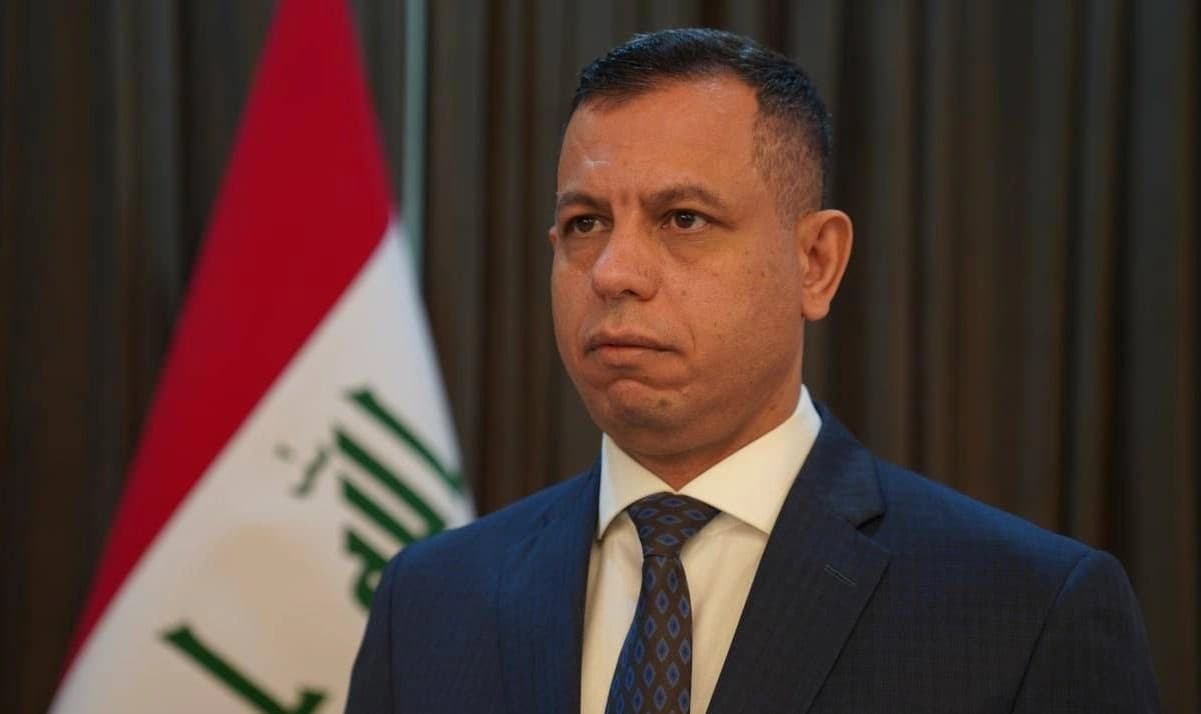
ERBIL, Kurdistan Region - Iraqi Prime Minister Mohammed Shia’ al-Sudani has ordered the monitoring of water flows from Turkey, following an apparent increase in releases by Ankara in line with directives from Turkish President Recep Tayyip Erdogan, according to Iraq’s Water Resources Minister Aoun Diab.
The state-run Iraqi News Agency (INA) quoted Diab on Wednesday stating that Sudani “has directed the monitoring of flows, especially those entering northern Iraq across the borders [from Turkey].”
“We have gauges that will continue to monitor levels and discharges around the clock,” Diab added, stressing the importance of monitoring Turkey’s compliance. “We must continue to monitor the extent of the Turkish side's commitment to President Erdogan’s directives - especially since they came from the highest level - and we hope they continue.”
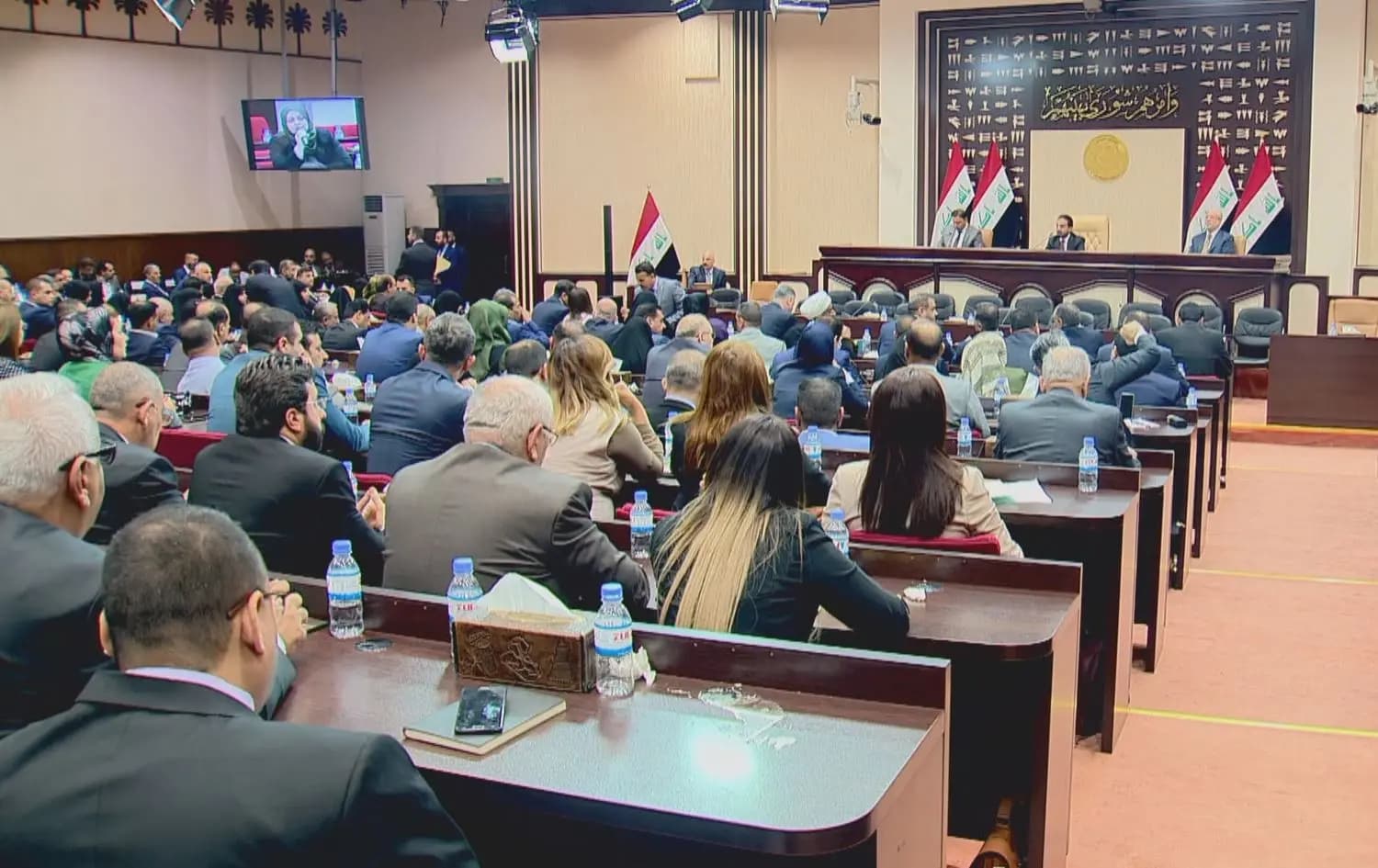
Earlier the same day, Iraq’s parliament announced that Turkey had agreed to increase the daily release of water into the Tigris and Euphrates rivers by 420 cubic meters per second, starting Wednesday.
The agreement followed a meeting between the Turkish President and the Iraqi Parliament Speaker Mahmoud al-Mashhadani in Ankara on Tuesday.
According to an Iraqi parliament statement, Erdogan approved Mashhadani's “request to release 420 cubic meters of water per second daily, starting Wednesday."
Mashhadani had urged the Turkish leadership to address Iraq’s worsening water crisis and ensure adequate water supplies, particularly in the drought-stricken souhern regions.
According to a parliamentary statement, Erdogan approved the request, saying, “Turkey shares what God has bestowed upon it with its brothers in Iraq and will not withhold it from them.”
On Thursday, Diab confirmed that improvements in water flow had been observed. “The Tigris River releases increased from 66 cubic meters per second to 133 cubic meters, and the Euphrates River also saw an increase,” he said. “We want these flows to remain stable and continuous.”
The Iraqi minister further explained that the water dossier has seen many negotiations between Baghdad and Ankara, noting that “the most important” of these discussions occurred during Erdogan’s April 2024 visit to Iraq.
In April 2024, Iraqi Prime Minister Sudani and Turkish President Erdogan signed a multi-billion-dollar strategic framework agreement in Baghdad to manage shared water resources. The 10-year pact included joint river management projects and opened the door for increased Turkish investment under Iraqi coordination.
Despite this significant diplomatic achievement, Iraq remains in the grip of a worsening water crisis. The country depends heavily on the Tigris and Euphrates rivers, both of which originate in Turkey. Major Turkish dam projects, particularly the Southeastern Anatolia Project (GAP), have significantly reduced the volume of water reaching Iraq.
In late May, Iraq’s water reserves dropped to their lowest level in 80 years, according to water resources ministry Spokesperson Khaled Shamal. “At the start of the summer season, we should have at least 18 billion cubic meters of water. Today, we only have about 10 billion,” he told Rudaw, warning that agricultural activities had been severely curtailed as a result.
Amid the deepening crisis, Iraqi leaders have repeatedly called for a binding, comprehensive international agreement with Turkey to secure Iraq’s fair share of water and ensure long-term sustainability.
Public frustration is mounting as well. Southern provinces like Basra have witnessed growing protests in recent weeks over severe water shortages and ongoing water pollution.