


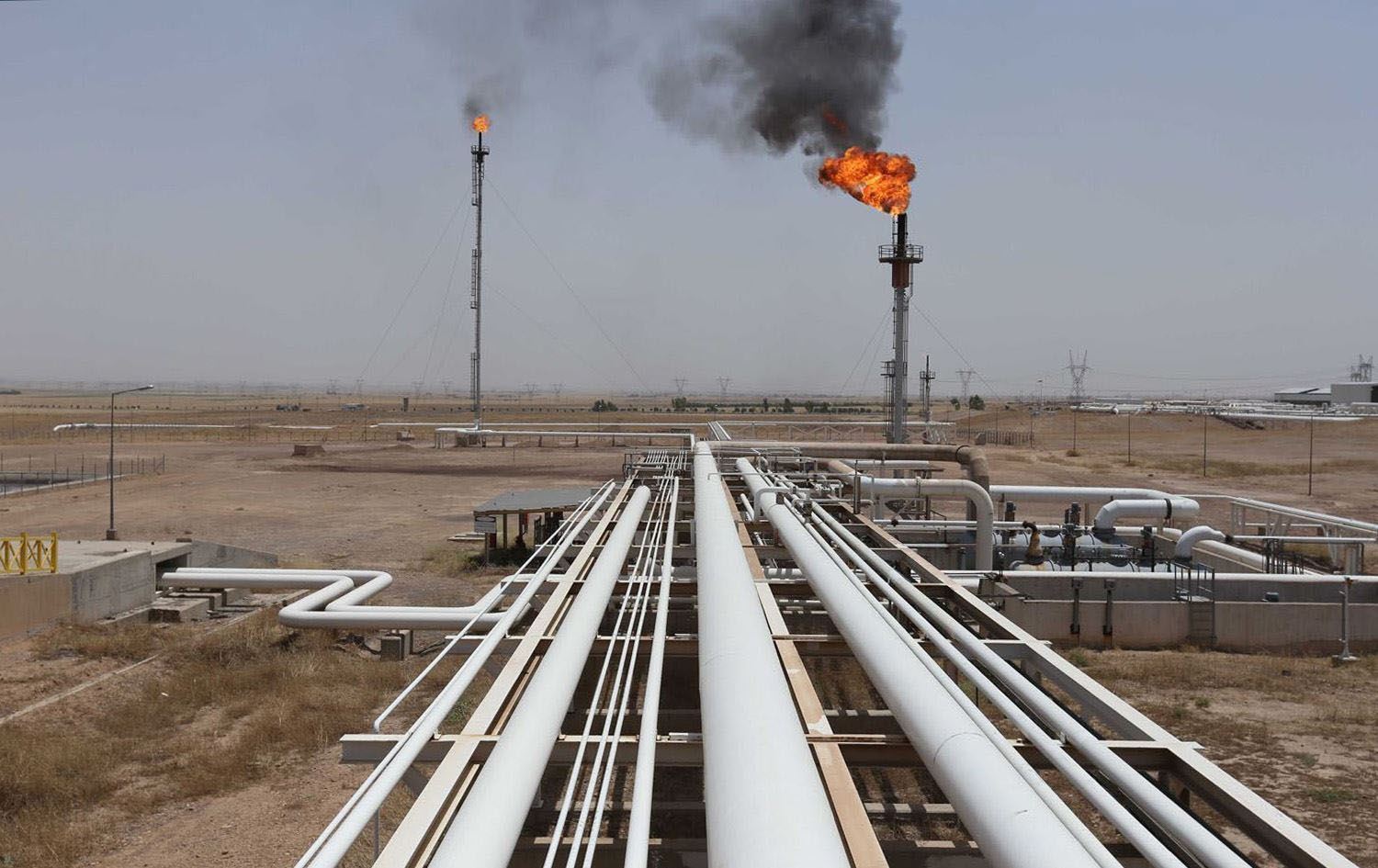
ERBIL, Kurdistan Region - DNO ASA has resumed operations at a key oil field in the Kurdistan Region’s north following a temporary shutdown caused by drone attacks in mid-July. The Norwegian oil and gas operator further reported on Thursday a 10 percent increase in net production in the second quarter of 2025, though output in the Region declined due to security challenges.
In its interim results report for the second quarter of 2025, DNO ASA stated that net production during that period “increased by 10 percent to 92,600 barrels of oil equivalent per day (boepd), of which 56,100 boepd [was] from the Kurdistan Region.”
The firm added that it restarted production at the Tawke and Peshkhabur oilfields, located in the Kurdistan Region’s northern Zakho Independent Administration, in early and late August, respectively. While “months-long repairs are pending and security concerns remain,” DNO has “ramped up gross production on a test basis to 55,000 boepd, about evenly split” between the two oil fields, the Thursday report said.
In mid-July, Kurdish counterterrorism forces reported that the DNO oil field in Peshkhabur “was targeted by two explosive-laden drones” and that “another explosive-laden drone targeted the DNO oil field in Tawke” on the same day.
In the wake of the attacks, the firm stated that operations had been “temporarily suspended following three explosions… one involving a small storage tank at Tawke and the other involving surface processing equipment” at Peshkhabur. While the blasts caused operational disruptions, DNO confirmed that there were "no injuries," adding that it had initiated a damage assessment and “expects to restart production once the assessment is completed.”
The Kurdistan Region endured nearly 20 drone attacks in July alone, according to data accumulated by Rudaw.
These strikes inflicted significant damage on oil infrastructure, forcing some fields to completely halt operations. The Kurdistan Region has lost nearly 200,000 barrels of oil production as a result, Aziz Ahmad, deputy chief of staff to KRG Prime Minister Masrour Barzani, said in mid-July.
In early August, Kurdistan Region Interior Minister Rebar Ahmed revealed that both Erbil and Baghdad know who is behind the recent drone attacks targeting the Region’s oil infrastructure, adding that a joint investigative committee is probing the strikes.
Ahmed stated that “it is clear” for both the Kurdistan Regional Government (KRG) and the Iraqi federal government who the “groups and parties” are that have been launching drone attacks at the Kurdistan Region, and which of them “possess this type of drone and have previously directed them” toward the Region.
“We even know where the drones were manufactured, how they were directed, and what their targets were,” Ahmed said, adding that a joint investigative team has been formed between Erbil and Baghdad to determine exactly which groups the drones belonged to.
The results of the investigation are yet to be revealed.
In its interim results report for the second quarter of 2025, DNO ASA stated that net production during that period “increased by 10 percent to 92,600 barrels of oil equivalent per day (boepd), of which 56,100 boepd [was] from the Kurdistan Region.”
The firm added that it restarted production at the Tawke and Peshkhabur oilfields, located in the Kurdistan Region’s northern Zakho Independent Administration, in early and late August, respectively. While “months-long repairs are pending and security concerns remain,” DNO has “ramped up gross production on a test basis to 55,000 boepd, about evenly split” between the two oil fields, the Thursday report said.
In mid-July, Kurdish counterterrorism forces reported that the DNO oil field in Peshkhabur “was targeted by two explosive-laden drones” and that “another explosive-laden drone targeted the DNO oil field in Tawke” on the same day.
In the wake of the attacks, the firm stated that operations had been “temporarily suspended following three explosions… one involving a small storage tank at Tawke and the other involving surface processing equipment” at Peshkhabur. While the blasts caused operational disruptions, DNO confirmed that there were "no injuries," adding that it had initiated a damage assessment and “expects to restart production once the assessment is completed.”
The Kurdistan Region endured nearly 20 drone attacks in July alone, according to data accumulated by Rudaw.
These strikes inflicted significant damage on oil infrastructure, forcing some fields to completely halt operations. The Kurdistan Region has lost nearly 200,000 barrels of oil production as a result, Aziz Ahmad, deputy chief of staff to KRG Prime Minister Masrour Barzani, said in mid-July.
In early August, Kurdistan Region Interior Minister Rebar Ahmed revealed that both Erbil and Baghdad know who is behind the recent drone attacks targeting the Region’s oil infrastructure, adding that a joint investigative committee is probing the strikes.
Ahmed stated that “it is clear” for both the Kurdistan Regional Government (KRG) and the Iraqi federal government who the “groups and parties” are that have been launching drone attacks at the Kurdistan Region, and which of them “possess this type of drone and have previously directed them” toward the Region.
“We even know where the drones were manufactured, how they were directed, and what their targets were,” Ahmed said, adding that a joint investigative team has been formed between Erbil and Baghdad to determine exactly which groups the drones belonged to.
The results of the investigation are yet to be revealed.


Comments
Rudaw moderates all comments submitted on our website. We welcome comments which are relevant to the article and encourage further discussion about the issues that matter to you. We also welcome constructive criticism about Rudaw.
To be approved for publication, however, your comments must meet our community guidelines.
We will not tolerate the following: profanity, threats, personal attacks, vulgarity, abuse (such as sexism, racism, homophobia or xenophobia), or commercial or personal promotion.
Comments that do not meet our guidelines will be rejected. Comments are not edited – they are either approved or rejected.
Post a comment