
ERBIL, Kurdistan Region - Iraq is advancing plans to expand and diversify its oil export infrastructure, including a proposed pipeline to Syria’s Mediterranean coast, the Ministry of Oil said on Thursday.
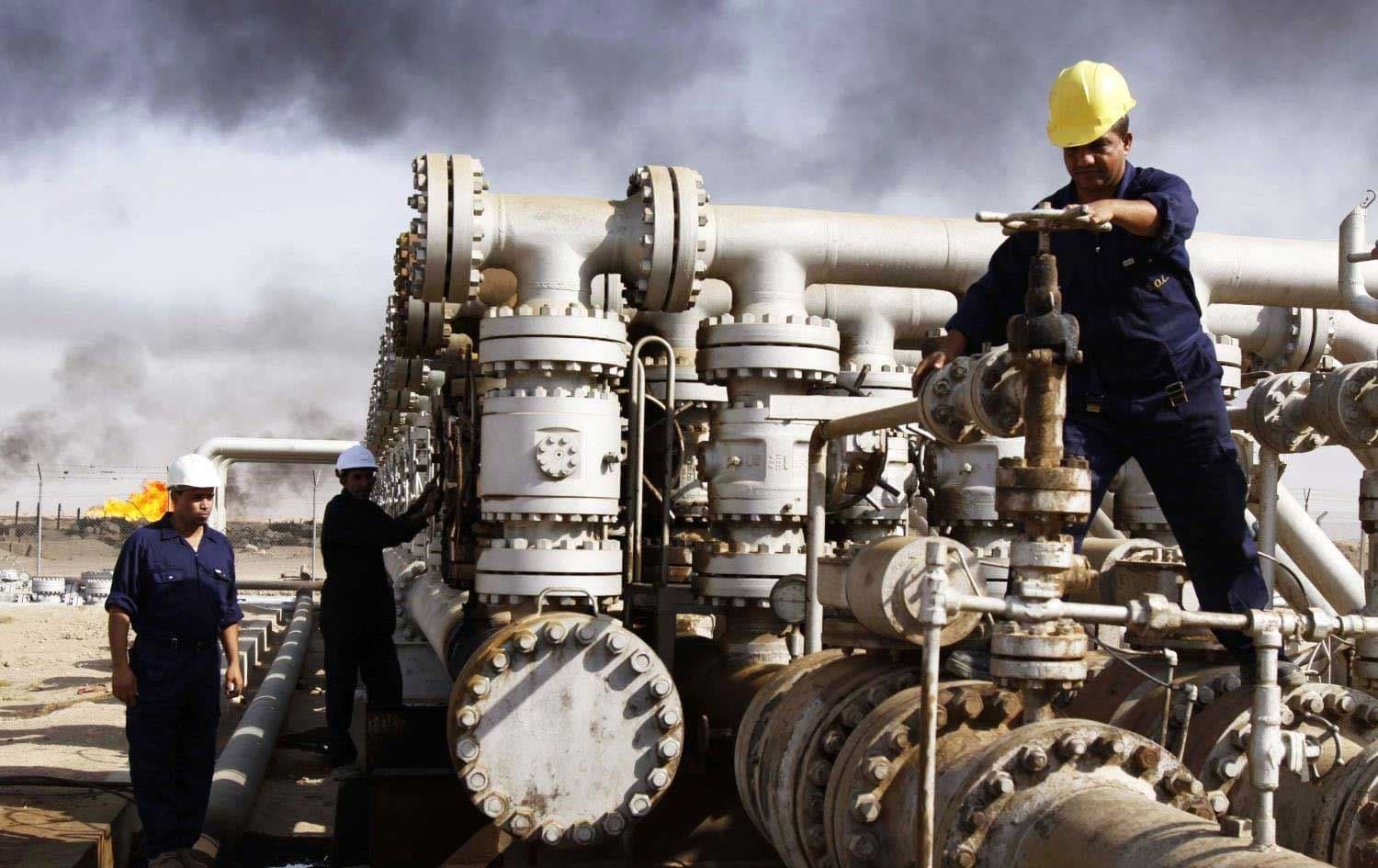
In a statement, the ministry stated that they are working to build an oil pipeline to the port of Baniyas in Syria, as part of broader efforts to strengthen the country’s export resilience amid regional tensions.
The ministry added that efforts are underway to boost export capacity through Turkey, noting that “efforts are ongoing to increase export capacity to Turkey's Ceyhan port to 650,000 barrels of oil per day.”
It also provided an update on the key Kirkuk-Fishkhabur pipeline, stating that it is currently undergoing rehabilitation, adding that "its initial transport capacity will reach 350,000 barrels per day.”
The ministry's remarks come amid the closure of the Strait of Hormuz due to the ongoing US and Israeli military campaign against Iran that started late last month.
Since then, the Iraqi federal government has been scrambling to find alternative routes to export its crude, which accounts for around 90 percent of the country’s revenues, and reduce reliance on chokepoints in the Gulf.
According to the ministry, the planned infrastructure is intended to provide alternatives in case of disruptions to critical shipping routes. “The new strategic line will serve as an alternative for transporting oil from the south to the north in the event of disruptions in the Strait of Hormuz,” the statement said.
The ministry further highlighted that “there is coordination with the Kurdistan Region to increase production capacity in the fields, with the goal of reaching 400,000 barrels in exports from the Kurdistan Region.”
Regarding future projects, the ministry noted that "the Basra-Haditha pipeline project is currently in the design phase,”, adding that it could include branches extending into Jordan and toward Syria’s Baniyas port.
Prior to the conflict, Iraq exported around 3.4 million barrels of oil per day. With southern routes offline, the country is now relying only on the northern corridor through Turkey to sustain its oil exports.