ERBIL, Kurdistan Region - An Iraqi water ministry official said on Thursday that the government is planning to construct 50 new dams and water barriers as part of a national strategy to increase water reserves, contingent on the availability of funding.
Wissam Khalaf Obaid, director general of the authority for dams and reservoirs, told the state-run Iraqi News Agency (INA) that “the future proposals that the authority seeks to include in its plans include 50 new dams.”
He said the proposed projects include 23 dams in Nineveh province, 12 in Anbar, six in Najaf, five in Muthanna, and three in Diyala, along with one dam each in Wasit and Diwaniyah, with two others planned for provinces yet to be specified.
Obaid said implementation of the plan depends on securing sufficient funding. “The realization of this plan on the ground depends on the provision of sufficient funding to speed up the pace of design preparation and cover construction costs,” he said.
According to Obaid, construction has already begun on several major projects under the current plan, including the al-Massad Dam in Anbar, the al-Shara’a Dam in Nineveh, and the al-Safra Dam in Diyala.
In mid-December, Iraq’s water ministry said water reserves in the country’s dams increased by more than 700 million cubic meters following rainstorms that hit Iraq and the Kurdistan Region days earlier. The ministry cautioned, however, that the increase only partially offsets deficits caused by successive drought seasons.
The World Resources Institute lists Iraq among 25 countries facing “extreme water stress,” meaning it consumes more than 80 percent of its available water resources.
Iraq’s water crisis has been exacerbated by five consecutive years of drought, rising temperatures, and upstream dam construction in Turkey and Iran, which has significantly reduced water inflows. Iraq currently receives less than 40 percent of its entitled share from the Tigris and Euphrates rivers, its main water sources.
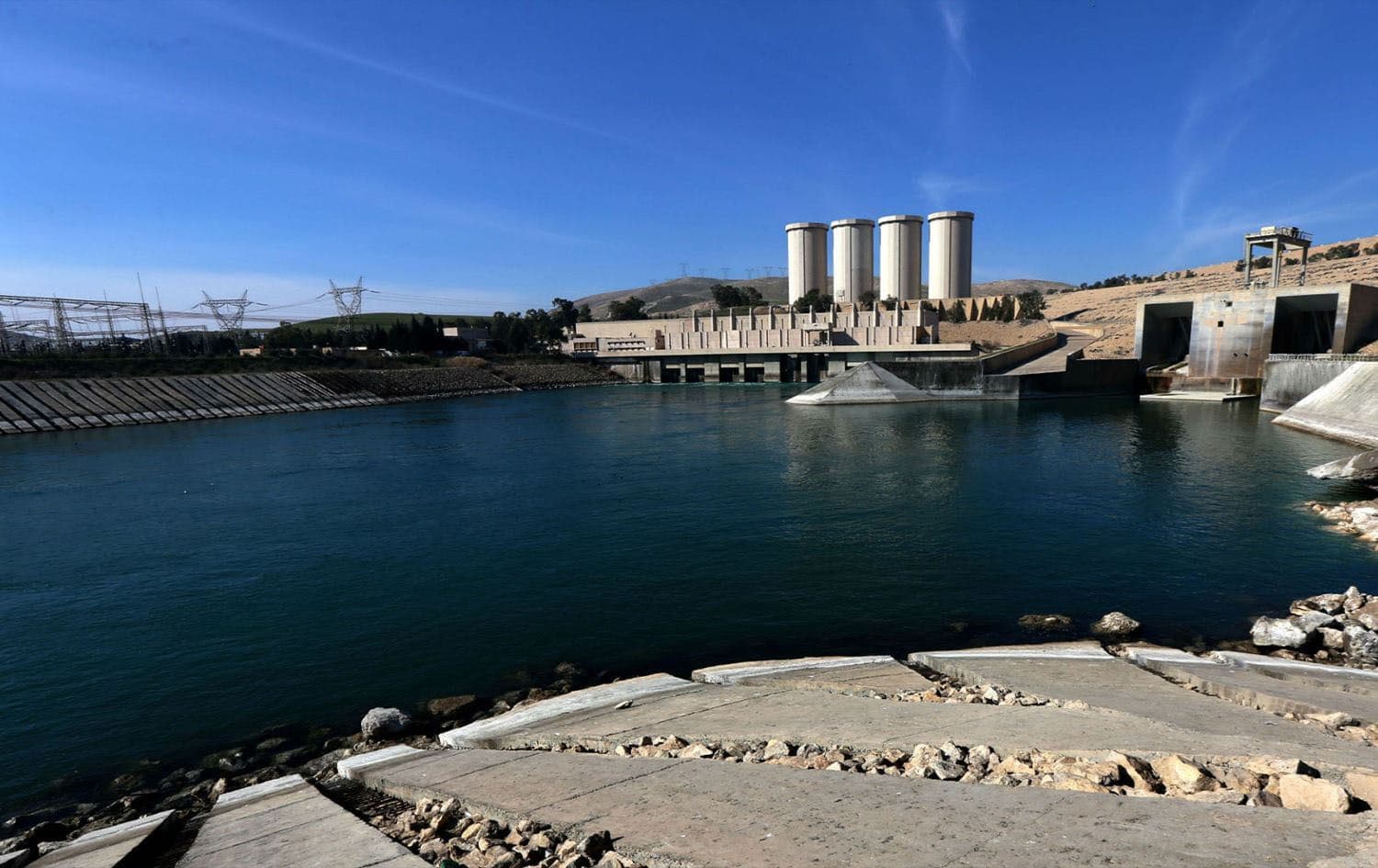
Wissam Khalaf Obaid, director general of the authority for dams and reservoirs, told the state-run Iraqi News Agency (INA) that “the future proposals that the authority seeks to include in its plans include 50 new dams.”
He said the proposed projects include 23 dams in Nineveh province, 12 in Anbar, six in Najaf, five in Muthanna, and three in Diyala, along with one dam each in Wasit and Diwaniyah, with two others planned for provinces yet to be specified.
Obaid said implementation of the plan depends on securing sufficient funding. “The realization of this plan on the ground depends on the provision of sufficient funding to speed up the pace of design preparation and cover construction costs,” he said.
According to Obaid, construction has already begun on several major projects under the current plan, including the al-Massad Dam in Anbar, the al-Shara’a Dam in Nineveh, and the al-Safra Dam in Diyala.
In mid-December, Iraq’s water ministry said water reserves in the country’s dams increased by more than 700 million cubic meters following rainstorms that hit Iraq and the Kurdistan Region days earlier. The ministry cautioned, however, that the increase only partially offsets deficits caused by successive drought seasons.
The World Resources Institute lists Iraq among 25 countries facing “extreme water stress,” meaning it consumes more than 80 percent of its available water resources.
Iraq’s water crisis has been exacerbated by five consecutive years of drought, rising temperatures, and upstream dam construction in Turkey and Iran, which has significantly reduced water inflows. Iraq currently receives less than 40 percent of its entitled share from the Tigris and Euphrates rivers, its main water sources.
Comments
Rudaw moderates all comments submitted on our website. We welcome comments which are relevant to the article and encourage further discussion about the issues that matter to you. We also welcome constructive criticism about Rudaw.
To be approved for publication, however, your comments must meet our community guidelines.
We will not tolerate the following: profanity, threats, personal attacks, vulgarity, abuse (such as sexism, racism, homophobia or xenophobia), or commercial or personal promotion.
Comments that do not meet our guidelines will be rejected. Comments are not edited – they are either approved or rejected.
Post a comment