
ERBIL, Kurdistan Region - Authorities in northeastern Syria (Rojava) say hundreds of detainees are set to be released soon as part of the ongoing coordination between Damascus and the Kurdish-led Syrian Democratic Forces (SDF), with officials describing as steady the progress in resolving one of the most sensitive files in the January agreement between the two sides.
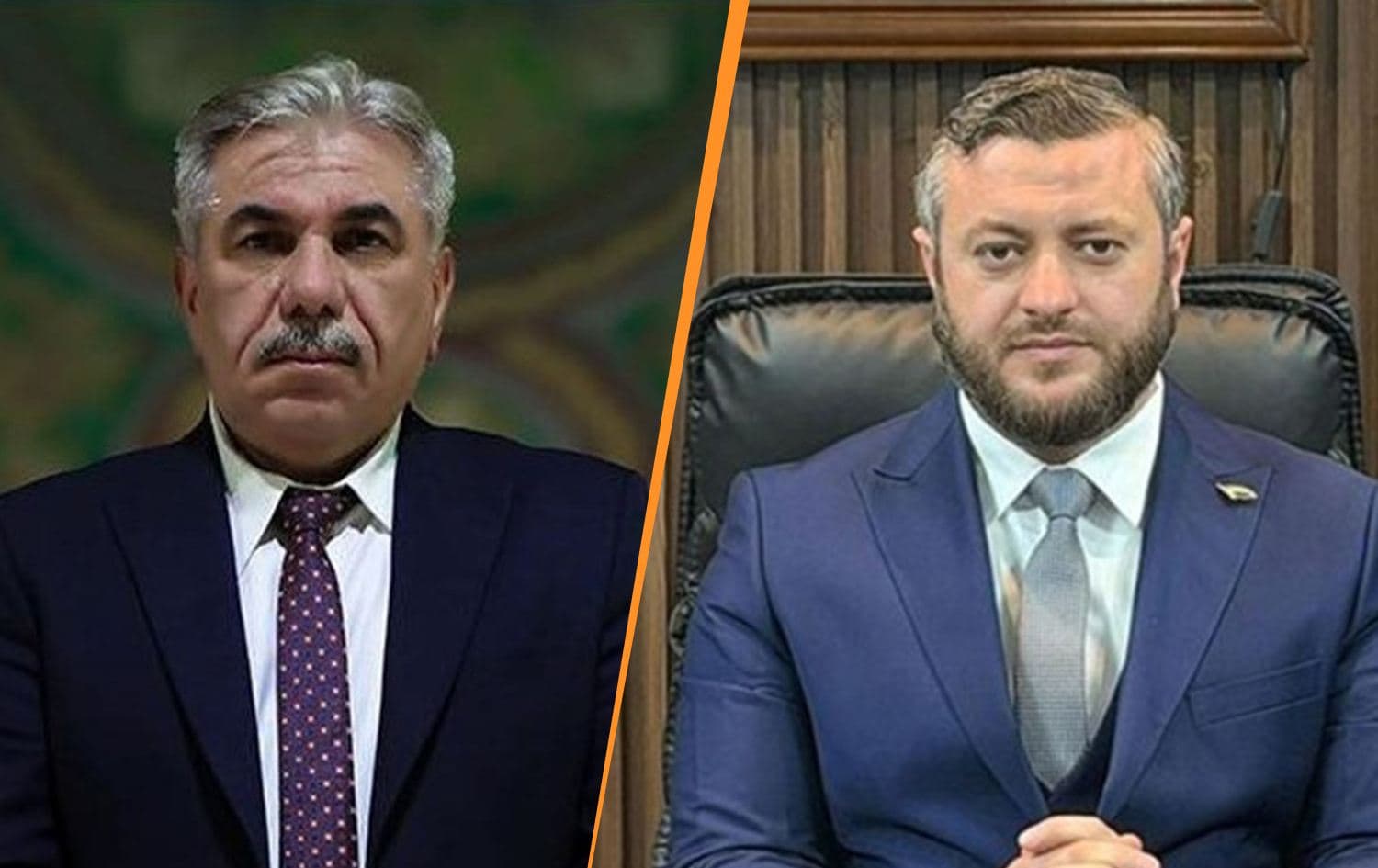
Nour al-Din Ahmed, governor of the Kurdish-majority Hasaka province in Rojava, told Rudaw on Tuesday that “34 detainees were released today by the Syrian Democratic Forces” as an initial step, adding that the move will be reciprocated by the Syrian government, which is expected to “soon release more than 200 detainees,” as “efforts are underway to resolve this dossier as quickly as possible.”
The developments come as both sides continue implementing phased releases agreed upon earlier this year following weeks of intense clashes.
In mid-January, the Syrian Arab Army and affiliated armed groups launched a major offensive into areas held by the SDF. The offensive led to the Kurdish-led forces’ gradual withdrawal from territories in eastern Aleppo, Deir ez-Zor, Raqqa, and Hasaka provinces.
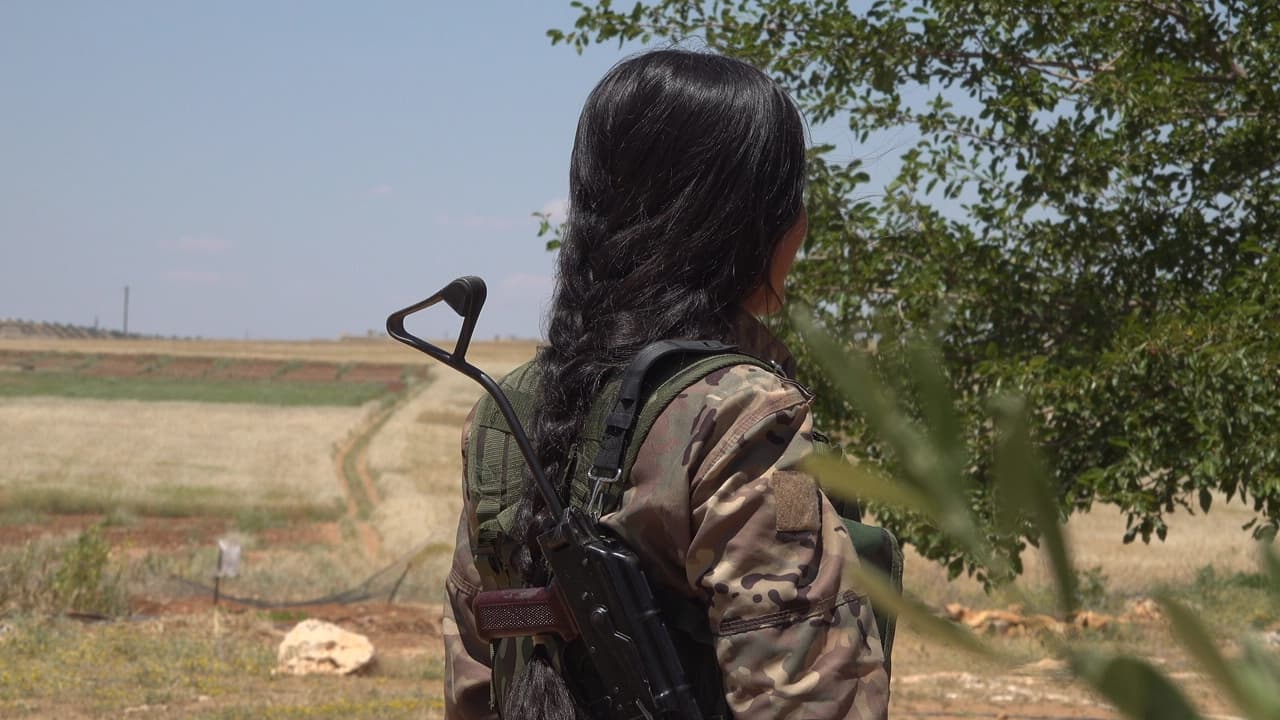
The SDF serves as the de facto military force of Rojava. Until Syria joined the US-led Coalition to Defeat ISIS in November, the Kurdish-led forces were the coalition’s sole on-the-ground partner, playing a major role in ISIS’s territorial defeat in Syria in 2019.
However in late January, Syria’s transitional government reached an agreement with the SDF to de-escalate tensions and begin a phased political and military process, allowing government forces to enter the Kurdish-majority cities of Hasaka and Qamishli in Rojava.
Under the deal, both sides also agreed on a gradual prisoner exchange process and broader integration steps, including the formation of three SDF brigades within the Syrian army and the incorporation of Rojava’s Kurdish-led Democratic Autonomous Administration of North and East Syria (DAANES) into state institutions.
According to Syrian officials, three rounds of detainees exchange have been carried out since March, paving the way for the release of hundreds of detainees.
Ahmed al-Hilali, spokesperson for the Syrian presidential team overseeing the agreement, said the process is nearing its final stages. “More than 1,500 detainees from both sides have been released,” he told Rudaw on Tuesday, adding that “nearly 300 SDF detainees will be released in the near future.”
He further stressed that “there is tangible progress” despite the absence of fixed public figures due to ongoing revisions of detainee lists.
SDF commander Mazloum Abdi stated last month that the detainees dossier represents a “central issue,” emphasizing that “this file is a top priority for follow-up and action, and it cannot be compromised under any circumstances.” He added that “the return of prisoners to their families will take place in the coming period.”
Based on figures previously disclosed by the SDF, a total of 797 detainees have been released so far, while dozens remain in custody.
In addition to exchange of detainees, officials say institutional restructuring is also moving forward. The governor of Hasaka, Ahmed, also noted that prisons previously secured by the SDF in Rojava “are not being handed over; rather, they will be managed under a new administrative structure” with the participation of DAANES as well as Syrian interior ministry employees.
Military integration is also progressing, with Ahmed noting that “there are SDF officers currently undergoing a training course in Damascus,” meanwhile, Hilali said the process has reached “advanced technical stages” and that new formations are being organized into brigades, each consisting of 1,300 personnel, as part of efforts to unify command structures.
However, despite the progress achieved, challenges remain, particularly in restructuring military institutions and unifying commands.
“The challenge is not limited to formal integration but extends to unifying the military doctrine, regulating the chain of command, and redistributing forces in a way that suits the requirements of the state,” Hilali said, adding that “it is a cumulative process that requires time and meticulous management of details.”