
ERBIL, Kurdistan Region - Despite a recently signed ceasefire agreement between the Kurdish-led Syrian Democratic Forces (SDF) and Damascus that includes provisions for the return of displaced Kurds to Afrin, many families remain unable to go back as hundreds of homes are still occupied by Arab settlers.
“Kurdish houses must be prepared for the return of residents. Around 400 families were expected to return to Afrin this week, but according to our information, they will not return because they have no place to stay,” Azad Othman, a member of the Kurdish National Council (KNC or ENKS) currently based in Afrin city, told Rudaw on Saturday.
He added that many of the families’ properties have been seized by Arab resettlers.
The return of displaced persons is one of the key clauses in the recently announced agreement between the SDF and the Syrian government in Damascus. The deal was brokered internationally following weeks of fighting.
The latest wave of displacement followed a large-scale offensive launched in mid-January by the Syrian Arab Army and affiliated forces against the Kurdish-led SDF, the de facto military force in Rojava. The fighting spread across parts of Aleppo, Deir ez-Zor, Raqqa, and Hasaka provinces before the two sides reached an agreement to end hostilities and integrate Rojava’s civil and military institutions under state authority.
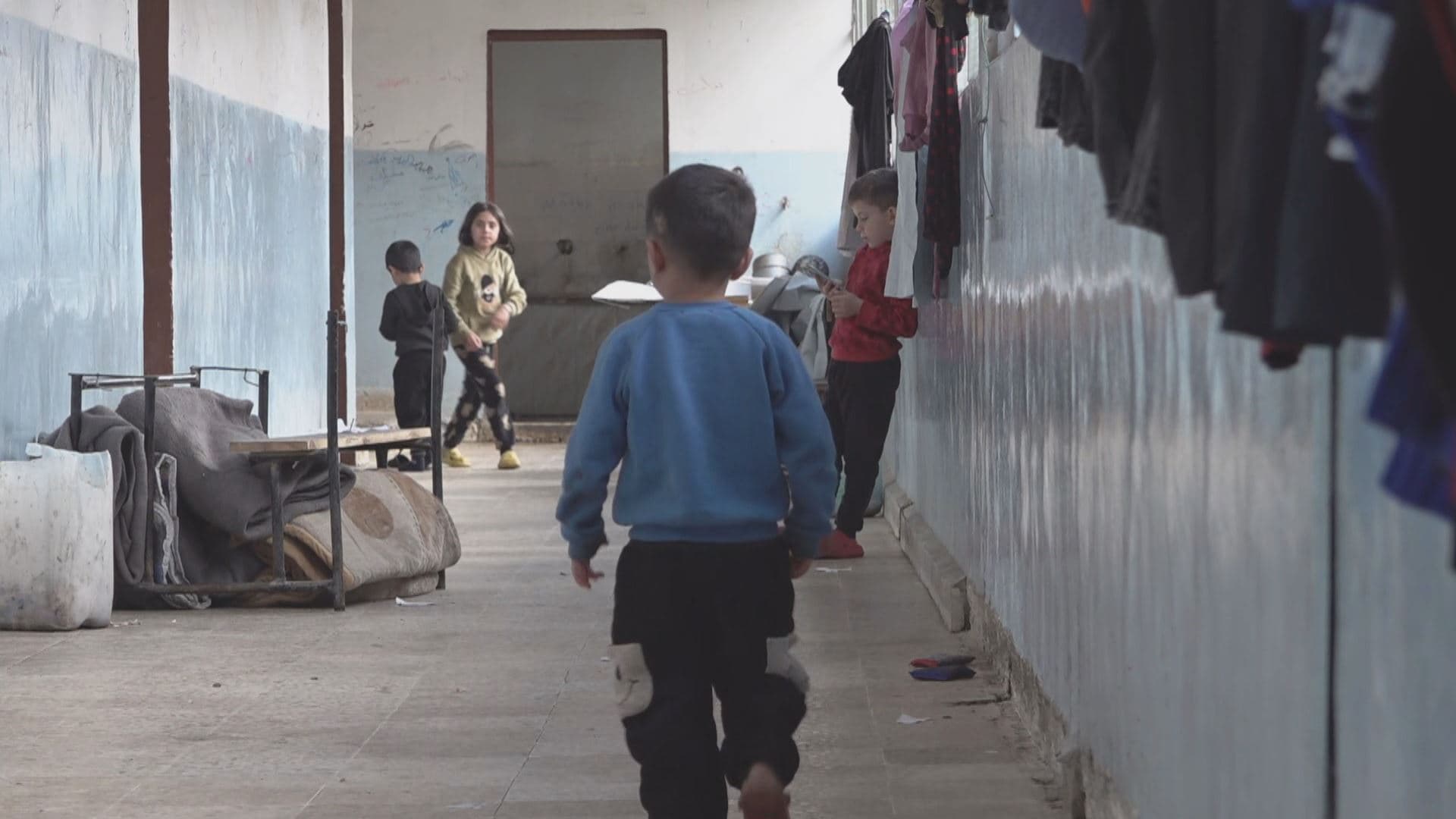
According to local officials, around 50,000 displaced people from Afrin are currently living across Hasaka province, spread among approximately 150 displacement centers and private homes.
Othman said that while some families continue to return to Afrin, the numbers remain small.
“The organized return of displaced people in convoys has stopped,” he said.
“No preparations have been made for the residents of Afrin to return home, despite the Damascus-SDF agreement,” the KNC official added.
He noted that the last return of internally displaced persons (IDPs) from Afrin took place nearly 20 days ago from Qamishli and Hasaka.
Many families from Afrin, a predominantly Kurdish enclave in northwest Syria, have experienced repeated displacement. They first fled in 2018 during a Turkish-backed offensive. They were displaced again in 2024 following the ousting of the former Assad regime, and for a third time this year amid renewed fighting between the interim government and Kurdish forces in northern and northeastern Syria (Rojava).
International organizations have documented numerous human rights violations against the remaining Kurdish population, including looting, property seizures, and abuses by armed factions.
Ibrahim Sheikho, director of the Afrin Human Rights Organization, acknowledged that residents’ fears are understandable but said the situation has changed.
“The people’s fear is justified, but we believe the agreement provides guarantees. The situation has changed; previously there were uncontrolled factions, but now there is General Security,” Sheikho told Rudaw over the weekend.