
ERBIL, Kurdistan Region - Syria’s interior ministry announced Wednesday the arrest of several suspects allegedly involved in war crimes and inciting violence across the country’s western coastal regions.
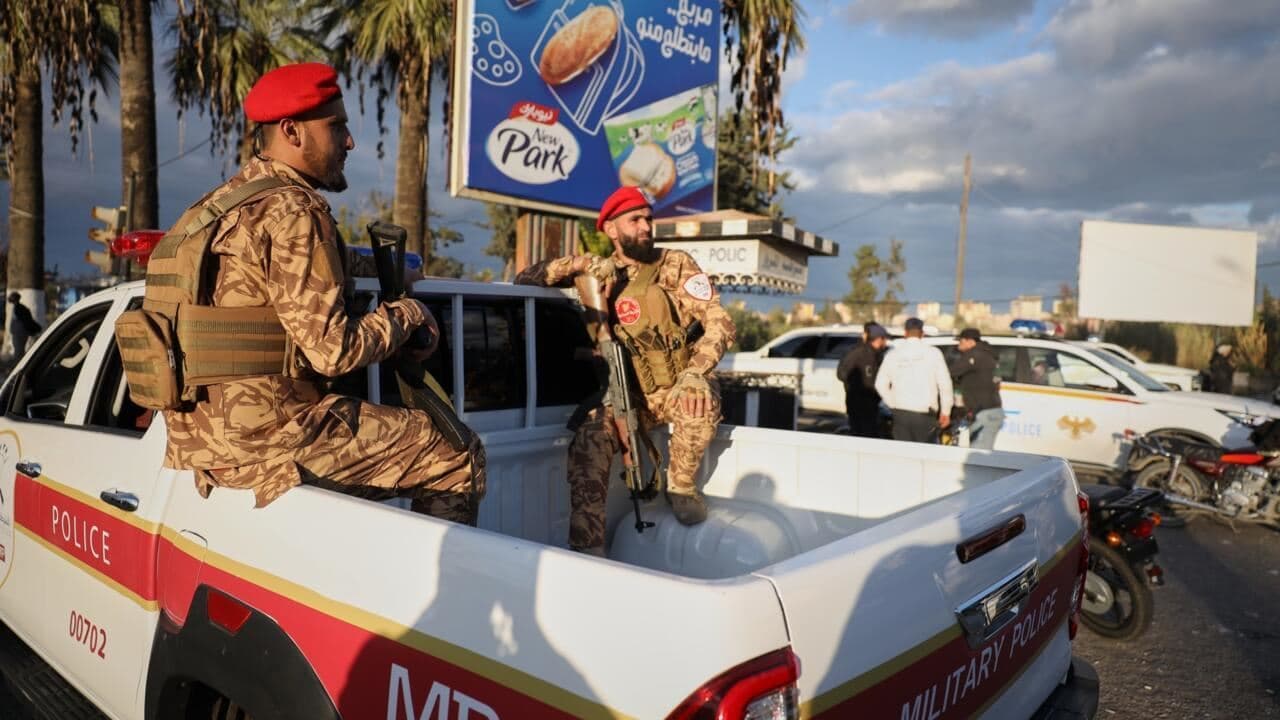
Security operations were carried out in Latakia, Jableh, Qardaha, and Tartous - including surrounding areas - targeting individuals “involved in war crimes,” the ministry said.
“These individuals were also involved in acts of incitement that seriously threatened civil peace in Latakia and Tartous governorates,” the ministry stated on X. “These actions followed externally instigated calls for sectarian violence that resulted in deaths, injuries, and attacks on public and private property.”
Authorities added that similar security operations would continue.
The arrests come days after Alawite residents in Latakia staged demonstrations on Sunday following a call by Ghazal Ghazal, a prominent leader within Syria’s Alawite community. The protests followed a deadly explosion at an Alawite mosque on Friday.
The UK-based Syrian Observatory for Human Rights (SOHR) reported that at least two civilians were killed and nearly 50 others injured in Latakia, Jableh, and Tartous. According to SOHR, protesters were “attacked with live gunfire and bladed weapons” by security forces affiliated with Damascus.
The Syrian interior ministry said the eight apprehended individuals had sought to “exploit this period to spread chaos, undermine security, and threaten stability.”
Violence has continued in parts of Syria since the ouster of former President Bashar al-Assad by the now-dissolved jihadist group Hay’at Tahrir al-Sham (HTS). Its former leader, Ahmed al-Sharaa, currently serves as interim president.
The interim authorities have faced growing criticism for their centralized governance.
In March, Sharaa signed a constitutional declaration emphasizing Islamic jurisprudence, sparking backlash from Alawite, Christian, Druze, and Kurdish communities, who viewed the move as exclusionary.
Calls for decentralization or federalism have intensified among Alawite, Druze, and Kurdish groups following repeated waves of violence, including clashes in mid-July that left nearly 800 dead in the Druze-majority Suwayda province and nearly 2,000 killed in Alawite-majority coastal regions in March, according to monitoring groups.