
Turkey
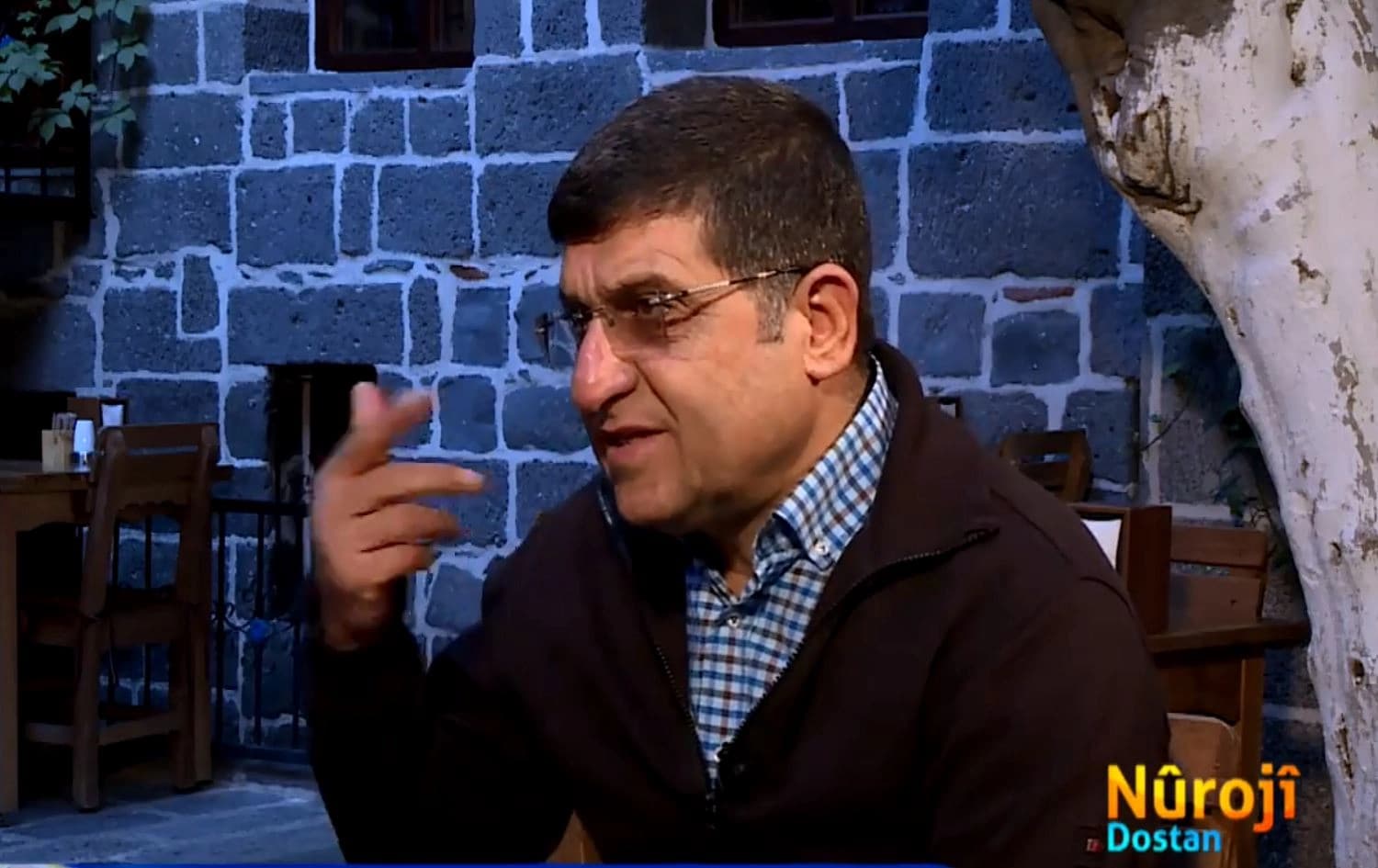
Ghafur Turkay, head of the Armenian Religious Council in Diyarbakir speaks of his community's plight in the province on Rudaw TV's Nuroji Dostan (Breakfast with Friends). Photo: Rudaw TV
ERBIL, Kurdistan Region – A senior Armenian official in Diyarbakir says his community is under threat because a curfew imposed on his home district of Sur some three and a half years ago amid clashes between the Kurdistan Workers’ Party (PKK) and Turkish military has not been lifted, leaving the predominantly Christian ethnic minority unable to carry out religious ceremonies at its church.
Ghafur Turkay, head of the Armenian Religious Council in Diyarbakir, spoke of the plight of his community in the Kurdish majority province during Rudaw’s Breakfast with Friends program earlier this week.
"Our church is located in [Sur], which is now a prohibited zone. Since 2016, we have not been able to return there and visit our church. It has been three years and a half now since we have been able to perform our religious ceremonies or hold our feasts. On important days, we have to perform our duties at restaurants or a public place."
A curfew was imposed on the Sur district of Diyarbakir in 2015. A year of intense clashes between the Turkish military and PKK militants erupted in southeastern Turkey after a fragile ceasefire, established between the groups in 2013, collapsed. Thousands of residents were forced to abandon the historic walled town as a result of the violence.
The church is a central site of cultural practice for Armenians, Turkay added. The prolonged curfew on the town and the damage the church sustained in the clashes means the community is unable to perform its traditions, the Council official said.
"All Armenian affairs are related to the church. For example, when a child is born, he or she is baptized, dead bodies go through church, and they [Armenians] perform all their feasts - sad and happy events - in church," he added.
Armenian displacement from Diyarbakir is no new phenomenon. The vast majority of the town’s Armenian population were either killed or forced to flee during the Armenian Genocide over a hundred years ago.
"In Diyarbakir, which Armenians call Dikrangair, there once was a considerable number of Armenians, but since the genocide, a large number of them migrated to Europe, the US and other countries, and a few other moved to other cities [of Turkey]," Turkay said.
Some 1.5 million Armenians were killed as part of a 1915 campaign of deportations and killings by the Ottoman Empire. Turkey vehemently denies that the events constitute genocide and says that mass killings were committed by people on both sides.
"Armenians once lived across the cities of Northern Kurdistan. But in the years after the genocide took place, the majority of Armenians who migrated within Turkey - I would say 98 percent of them - moved to Istanbul, and there are very few Christian Armenians living in Turkey nowadays. The bulk of those living here have converted to Islam," he added.
Turkay also decried the lack of Armenian language schooling in Diyarbakir – a right enshrined in the 1923 Lausanne Treaty, which set out rights for non-Muslim minority groups in a then newly-founded Turkey.
"There are only Turkish schools in Diyarbakir…That is why we do not know the Armenian language. If we want to send our children to Armenian schools in Istanbul, we will have move there with them…that is the definitely one of the reasons why Armenians migrate,” he explained.
"According to the Lausanne Treaty, Armenians should have their own schools and study in their mother tongue. Since the establishment of the Republic of Turkey, no new school for Armenians has been built, yet many were shut down.”
“Before the Republic of Turkey was founded, there were 40 to 42 schools for Armenians. It has now reduced to 12 to 13, and all of them are located in Istanbul.”
Armenians in Diyarbakir took preservation of their language into their own hands when they established an all-ages language course in the city four years ago, approved by local authorities. Students included “children, men, women and the elderly,” and “doctors, lawyers, and business owners,” he added. However, the school was forced to close once fighting broke out in Sur a few months later.
Ghafur Turkay, head of the Armenian Religious Council in Diyarbakir, spoke of the plight of his community in the Kurdish majority province during Rudaw’s Breakfast with Friends program earlier this week.
"Our church is located in [Sur], which is now a prohibited zone. Since 2016, we have not been able to return there and visit our church. It has been three years and a half now since we have been able to perform our religious ceremonies or hold our feasts. On important days, we have to perform our duties at restaurants or a public place."
A curfew was imposed on the Sur district of Diyarbakir in 2015. A year of intense clashes between the Turkish military and PKK militants erupted in southeastern Turkey after a fragile ceasefire, established between the groups in 2013, collapsed. Thousands of residents were forced to abandon the historic walled town as a result of the violence.
The church is a central site of cultural practice for Armenians, Turkay added. The prolonged curfew on the town and the damage the church sustained in the clashes means the community is unable to perform its traditions, the Council official said.
"All Armenian affairs are related to the church. For example, when a child is born, he or she is baptized, dead bodies go through church, and they [Armenians] perform all their feasts - sad and happy events - in church," he added.
Armenian displacement from Diyarbakir is no new phenomenon. The vast majority of the town’s Armenian population were either killed or forced to flee during the Armenian Genocide over a hundred years ago.
"In Diyarbakir, which Armenians call Dikrangair, there once was a considerable number of Armenians, but since the genocide, a large number of them migrated to Europe, the US and other countries, and a few other moved to other cities [of Turkey]," Turkay said.
Some 1.5 million Armenians were killed as part of a 1915 campaign of deportations and killings by the Ottoman Empire. Turkey vehemently denies that the events constitute genocide and says that mass killings were committed by people on both sides.
"Armenians once lived across the cities of Northern Kurdistan. But in the years after the genocide took place, the majority of Armenians who migrated within Turkey - I would say 98 percent of them - moved to Istanbul, and there are very few Christian Armenians living in Turkey nowadays. The bulk of those living here have converted to Islam," he added.
Turkay also decried the lack of Armenian language schooling in Diyarbakir – a right enshrined in the 1923 Lausanne Treaty, which set out rights for non-Muslim minority groups in a then newly-founded Turkey.
"There are only Turkish schools in Diyarbakir…That is why we do not know the Armenian language. If we want to send our children to Armenian schools in Istanbul, we will have move there with them…that is the definitely one of the reasons why Armenians migrate,” he explained.
"According to the Lausanne Treaty, Armenians should have their own schools and study in their mother tongue. Since the establishment of the Republic of Turkey, no new school for Armenians has been built, yet many were shut down.”
“Before the Republic of Turkey was founded, there were 40 to 42 schools for Armenians. It has now reduced to 12 to 13, and all of them are located in Istanbul.”
Armenians in Diyarbakir took preservation of their language into their own hands when they established an all-ages language course in the city four years ago, approved by local authorities. Students included “children, men, women and the elderly,” and “doctors, lawyers, and business owners,” he added. However, the school was forced to close once fighting broke out in Sur a few months later.
Comments
Rudaw moderates all comments submitted on our website. We welcome comments which are relevant to the article and encourage further discussion about the issues that matter to you. We also welcome constructive criticism about Rudaw.
To be approved for publication, however, your comments must meet our community guidelines.
We will not tolerate the following: profanity, threats, personal attacks, vulgarity, abuse (such as sexism, racism, homophobia or xenophobia), or commercial or personal promotion.
Comments that do not meet our guidelines will be rejected. Comments are not edited – they are either approved or rejected.
Post a comment