ERBIL, Kurdistan Region - Iraq's Ministry of Finance monthly spending data reveal significant disparities across governorates that extend beyond the Kurdistan Region, affecting ministries, services and governorates nationwide. Operational and investment allocations vary widely from southern to central Iraq, while Kurdistan Region governorates and disputed areas such as Kirkuk received no funding from 2015 to 2025.
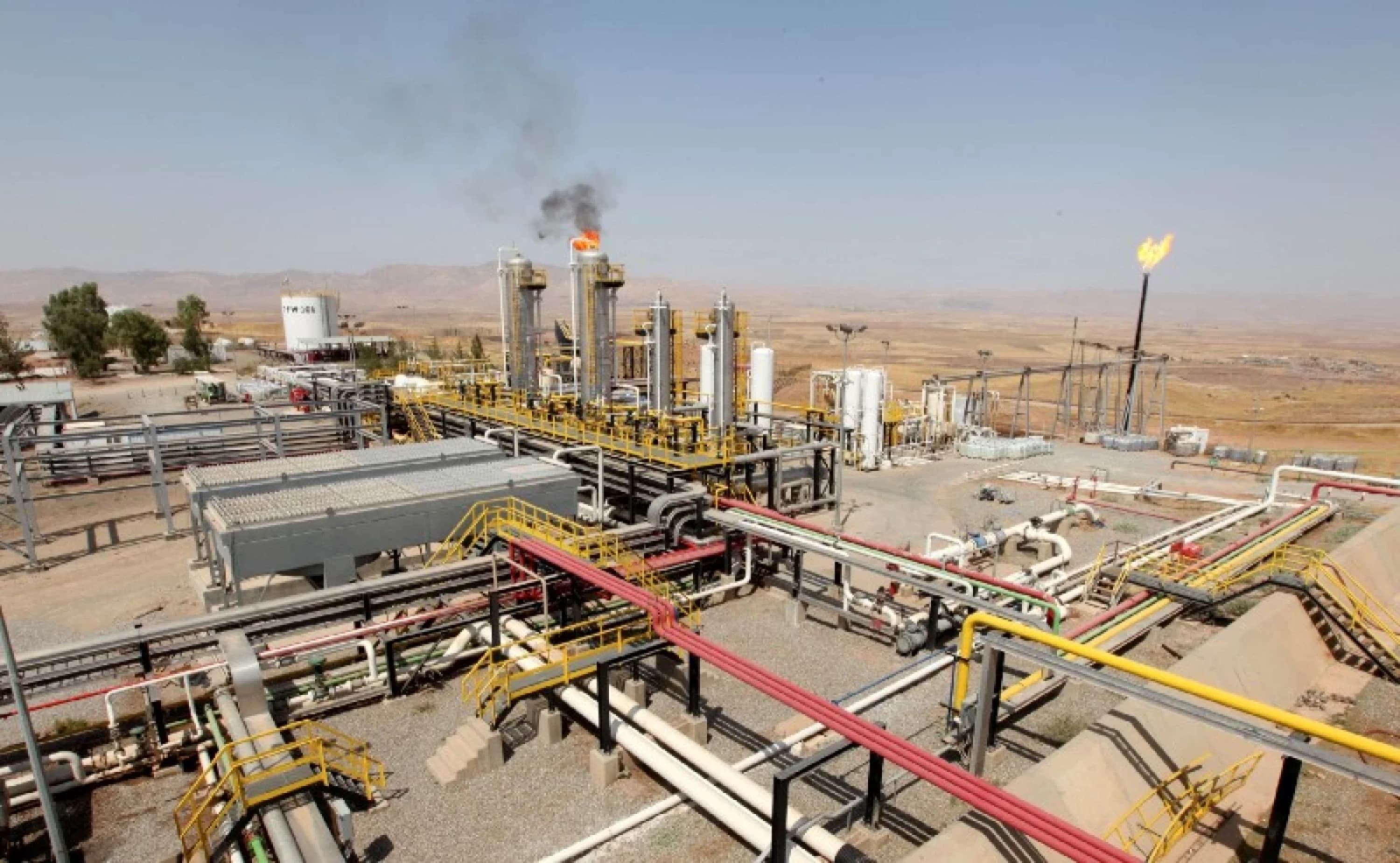
Ministry of Finance spending deviates dramatically from budgets approved by parliament and reveals stark disparities. Kirkuk, for example, received zero operational or investment funds despite producing 310,000 to 320,000 barrels of oil that contribute to Iraq’s economy daily.
Over the past decade, 14 Iraqi governorates - excluding Kirkuk and the Kurdistan Region’s four provinces - received 97.6 trillion dinars ($75 billion), with 72 trillion dinars (over $55 billion) for operations and 25.5 trillion dinars (over $19 billion) for investments in agriculture, industry, transportation, and other sectors.
Although Iraq's annual budget is based on oil revenue and population size, Ministry of Finance spending does not reflect oil-rich Kirkuk's significant contributions to the economy.
This raises the question: Why is Kirkuk excluded from spending? Compared with most governorates, Kirkuk has higher unemployment and a bigger population - which should be factored into allocations - and is second only to Basra in generating revenue.
2015-2025 operational and investment governorate spending
Ministry of Finance monthly reports show major fluctuations in operational and investment expenditures across governorates and time periods. In years when revenues fell, both investment and operational spending for central governorates (e.g., Anbar, Nineveh, Salahaddin) dropped to zero. Spending topped 17.7 trillion dinars ($12 billion) in 2022 and fell to 8.8 trillion dinars ($6.2 billion) the following year, vs. 64 billion dinars ($56 million) in 2016 and 5.3 trillion ($4 billion) for 2025, not including December.
Graph 1 illustrates how nationwide Ministry of Finance allocations exclude Kurdistan Region governorates and Kirkuk, showing zero expenditures, including when monthly data are available for other provinces. Figures for other areas also show disparities: Nineveh, Iraq’s third-largest governorate after Baghdad and Basra, receives just half of Diyala’s budget, for example.
Over the past decade, Baghdad received 20.9 trillion dinars ($15 billion), with 17.6 trillion ($13 billion) dedicated to operations and only 3.3 trillion ($2.5 billion) to investments. Basra received 14.2 trillion dinars ($10.8 billion), with 7.9 trillion ($6 billion) for operations and 6.2 trillion ($4.7 billion) for investments (excluding the oil sector), covering industry, agriculture, transportation and communication, services, housing, and higher education.
Anbar, Dhi Qar, Kirkuk, and Erbil governorate populations range from 2 million to 2.5 million. Their budgets varied substantially, with Dhi Qar receiving 8.1 trillion dinars ($6.1 billion) vs. 5.4 trillion dinars ($4.1 billion) for Anbar - and nothing for Kirkuk or Erbil.

Source: Iraqi Ministry of Finance monthly revenue and expenditure reports from 2015 to 2025
Note 1: 2025 spending is calculated through November, when the most data was published.
Note 2: Ministry of Finance monthly expenditures shift; the 12-month calculation is shown here.
Budgets not aligned with populations, unemployment rates
According to the November 2024 census, Iraq’s population was 46 million across 19 governorates. Baghdad has the highest population density at 21 percent and Muthanna the lowest at 2.3 percent.
Erbil Governorate was 5.5 percent, Sulaymaniyah and Halabja were over 5 percent combined, and Duhok was 3.5 percent. This means the Kurdistan Region - excluding Kurdish-majority areas outside the Region's administration - makes up over 14 percent of Iraq's total population despite having no operational and investment budget.
Kirkuk - home to 2 million people or over 4 percent of Iraq's population - also received no operational or investment funding, unlike the 14 central and southern governorates.
Another important indicator is unemployment.
According to 2024 Iraqi Central Bureau of Statistics data, the unemployment rates in several governorates was under 10 percent: 4 percent in Babylon, 10 percent in Diwaniyah, Salah al-Din over 9 percent, Diyala over 6 percent, and Karbala nearly 8 percent.
Yet Babylon, Diyala, and Karbala’s budgets were significantly higher than spending for Maysan and Anbar, despite Muthanna’s unemployment exceeding 21 percent and Nineveh’s reaching 14 percent.
Kurdistan Region and Kirkuk’s unemployment also spiked from 2014 to 2024, with Kirkuk’s rising to roughly 13 percent from 3 percent. Erbil’s unemployment rose to nearly 15 percent from 8 percent, Sulaimani to 13 percent from over 5 percent, and Duhok to over 17 percent from 9 percent.

Sources: Iraqi Ministry of Finance monthly revenue and expenditure reports from 2015 to 2025
Population sizes according to the latest Iraqi Central Bureau of Statistics report, accessed February 1, 2026
Unemployment rate from Iraqi Central Bureau of Statistics, retrieved February 2, 2026
The case for fair allocations - and for Kirkuk
Kirkuk receives nothing despite meeting all the criteria and contributing 7.5 percent of Iraq's total revenue, making it more deserving of receiving funding than many central and southern Iraqi governorates. Kirkuk also has a larger population than nine Iraqi governorates and has two to three times the unemployment rate of places like Babylon, Diyala, and Karbala.
Iraq's monthly spending also shows that during economic downturns - such as revenue declines in 2020 and 2021 - central Iraq faced the first round of spending cuts while southern governorates came last - but Kurdistan Region governorates and Kirkuk still received nothing.
Governorate spending also reveals not only major disparities among governorates but the absence of a consistent methodology for allocating budgets. Kurdistan Region and governorate officials - particularly in Kirkuk - should not only examine draft budget line items but also develop clear and fair criteria for governorate allocations based on population, governorate needs, or another measure.
Mahmood Baban is a research fellow at the Rudaw Research Center.
The views expressed in this article are those of the authors and do not necessarily reflect the position of Rudaw.