


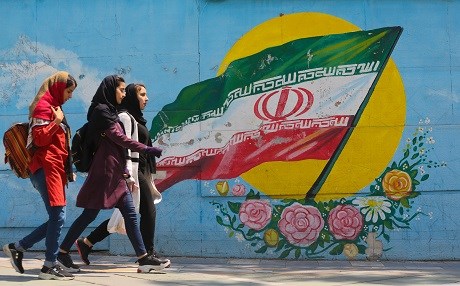
US Secretary of State Mike Pompeo announced on April 22 that, as of May 2, there will be no more waivers for countries importing Iranian oil. With this announcement, coming on the heels of Washington’s designation of the Islamic Revolutionary Guard Corps (IRGC) a terrorist organization, the administration of US President Donald Trump is trying to put maximum destructive pressure on Iran.
The United States wants to pull Iran into a game planned by Washington, financially supported by Riyadh, and politically backed by Tel Aviv. Ultimately, Washington is trying to get Iran to respond or make an emotional decision between entering a war or surrendering. The US wants to push Iranian officials into making inflammatory remarks against the United States or Middle Eastern countries, or follow through on their threats to shut down the Strait of Hormuz. Trump’s administration also hopes to see a repeat of December 2017 – January 2018 public protests in Iran.
There is no doubt that increasing sanctions will make people's livelihood difficult and economic indices negative. It will also damage many industries. But the Iranian people and officials are aware enough not to enter a game that would hurt Iran.
The protests in January 2018 were due to internal economic mismanagement. Today, as the country is threatened by the US and regional enemies, similar protests are far from the minds of most Iranians.
Managing the existing capacities of the country, reducing financial dependency on oil, interacting with friendly regional countries, and most importantly understanding the critical situation and the government standing beside its people – this will help Iran overcome the imposed pressures.
Political equations are not as precise as those in mathematics since the planners and players are countries and people. In the past, the emergence of the Taliban and Islamic State (ISIS) brought Iran and the US into an un-announced partnership. Therefore, in political equations, it is necessary to assume possible political changes in the region and the international arena as well.
For Iran and the US, there is a third way beyond the options of surrender or war. It’s not a high likelihood, but it is accessible through wisdom and logic.
Iran knows that it is paying the price for its independence and it will improve neither by entering a war nor surrendering, but by rationality. Iran's officials will not enter the complex and multilateral game of the US, planned with cooperation of its Zionist and Saudi allies. After the withdrawal from nuclear deal (JCPOA), Trump expected Iran to also pull out and therefore be defined as a threat, as defined under Chapter VII of the United Nations Charter.
Alert to the situation, Iran not only did not pull out of the JCPOA, it underscored its commitment to the deal, proving that Tehran and Iranians seek peace and it is the US who is failing in its commitments.
America's unilateralism is not confined to its relations with Iran. Trump’s attitude has seriously damaged the international system. The challenge between Beijing and Washington on economic matters is an example of the unusual behavior of the US. It is expected that China's non-compliance with the US demands to stop importing Iranian oil will exacerbate the gulf between them.
The fact is that if the US extremists, headed by Trump, insist on their policy of forcing Iran to bend the knee or enter a war, the United States will try to redirect its focus away from other critical areas in the Middle East and put it all onto Iran. Under this strategy, America will prioritize the Iranian problem as a prelude to solving crises in Syria, Iraq, and Yemen.
The best way for Iran to encounter America’s warmongering policies is to use the language of peace, to stay in the JCPOA, and stand beside the people, waiting for Washington to declare its desire to choose the third way for overcoming the crisis. The third way for Iran passes through JCPOA’s logic. The US knows better than anyone that the Middle East without Iran does not make sense and that leaving the region to Turkey or the Saudis will end in disaster.
Balance in the Middle East will be established only with Iran. Understanding this has been an important factor in preventing war between Tehran and Washington in the past and still rings true in the present.
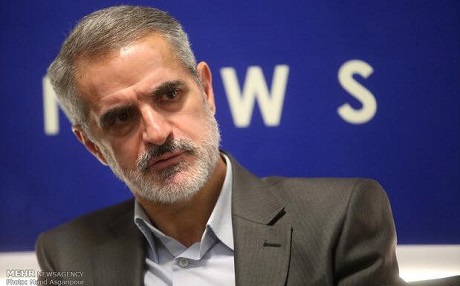
Sadegh Maleki is a former Iranian diplomat and political analyst. Photo: Mehr news agency
The views expressed in this article are those of the author and do not necessarily reflect the position of Rudaw.
The United States wants to pull Iran into a game planned by Washington, financially supported by Riyadh, and politically backed by Tel Aviv. Ultimately, Washington is trying to get Iran to respond or make an emotional decision between entering a war or surrendering. The US wants to push Iranian officials into making inflammatory remarks against the United States or Middle Eastern countries, or follow through on their threats to shut down the Strait of Hormuz. Trump’s administration also hopes to see a repeat of December 2017 – January 2018 public protests in Iran.
There is no doubt that increasing sanctions will make people's livelihood difficult and economic indices negative. It will also damage many industries. But the Iranian people and officials are aware enough not to enter a game that would hurt Iran.
The protests in January 2018 were due to internal economic mismanagement. Today, as the country is threatened by the US and regional enemies, similar protests are far from the minds of most Iranians.
Managing the existing capacities of the country, reducing financial dependency on oil, interacting with friendly regional countries, and most importantly understanding the critical situation and the government standing beside its people – this will help Iran overcome the imposed pressures.
Political equations are not as precise as those in mathematics since the planners and players are countries and people. In the past, the emergence of the Taliban and Islamic State (ISIS) brought Iran and the US into an un-announced partnership. Therefore, in political equations, it is necessary to assume possible political changes in the region and the international arena as well.
For Iran and the US, there is a third way beyond the options of surrender or war. It’s not a high likelihood, but it is accessible through wisdom and logic.
Iran knows that it is paying the price for its independence and it will improve neither by entering a war nor surrendering, but by rationality. Iran's officials will not enter the complex and multilateral game of the US, planned with cooperation of its Zionist and Saudi allies. After the withdrawal from nuclear deal (JCPOA), Trump expected Iran to also pull out and therefore be defined as a threat, as defined under Chapter VII of the United Nations Charter.
Alert to the situation, Iran not only did not pull out of the JCPOA, it underscored its commitment to the deal, proving that Tehran and Iranians seek peace and it is the US who is failing in its commitments.
America's unilateralism is not confined to its relations with Iran. Trump’s attitude has seriously damaged the international system. The challenge between Beijing and Washington on economic matters is an example of the unusual behavior of the US. It is expected that China's non-compliance with the US demands to stop importing Iranian oil will exacerbate the gulf between them.
The fact is that if the US extremists, headed by Trump, insist on their policy of forcing Iran to bend the knee or enter a war, the United States will try to redirect its focus away from other critical areas in the Middle East and put it all onto Iran. Under this strategy, America will prioritize the Iranian problem as a prelude to solving crises in Syria, Iraq, and Yemen.
The best way for Iran to encounter America’s warmongering policies is to use the language of peace, to stay in the JCPOA, and stand beside the people, waiting for Washington to declare its desire to choose the third way for overcoming the crisis. The third way for Iran passes through JCPOA’s logic. The US knows better than anyone that the Middle East without Iran does not make sense and that leaving the region to Turkey or the Saudis will end in disaster.
Balance in the Middle East will be established only with Iran. Understanding this has been an important factor in preventing war between Tehran and Washington in the past and still rings true in the present.
Sadegh Maleki is a former Iranian diplomat and political analyst. Photo: Mehr news agency
The views expressed in this article are those of the author and do not necessarily reflect the position of Rudaw.
Comments
Rudaw moderates all comments submitted on our website. We welcome comments which are relevant to the article and encourage further discussion about the issues that matter to you. We also welcome constructive criticism about Rudaw.
To be approved for publication, however, your comments must meet our community guidelines.
We will not tolerate the following: profanity, threats, personal attacks, vulgarity, abuse (such as sexism, racism, homophobia or xenophobia), or commercial or personal promotion.
Comments that do not meet our guidelines will be rejected. Comments are not edited – they are either approved or rejected.
Post a comment