کوردیKURDÎENGLISHTÜRKÇEعربي
Rudaw Logo
Live
Kurdistan
Middle East
OpinionsAnalysisWorldECONOMYInterviewCultureMultimedia
Live
Rudaw

Download the Rudaw app

App StoreGoogle Play
Privacy Policy•Terms of Use

© 2026 All rights reserved.

Rudaw

Download the Rudaw app

App StoreGoogle Play
Privacy PolicyTerms of Use

© 2026 All rights reserved.

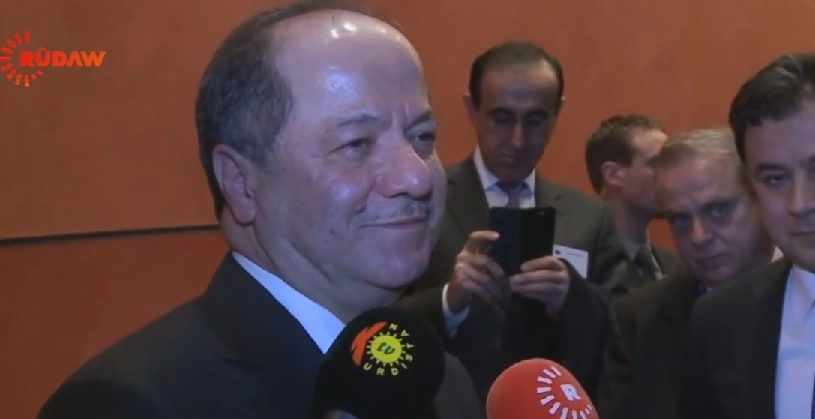
Massoud Barzani, Kurdistan Region President

Massoud Barzani, Kurdistan Region President

world

Kurdish President Turns Down White House Invitation

Namo Abdulla

Namo Abdulla

05-02-2014
Listen
0:00
0:00
Text Size

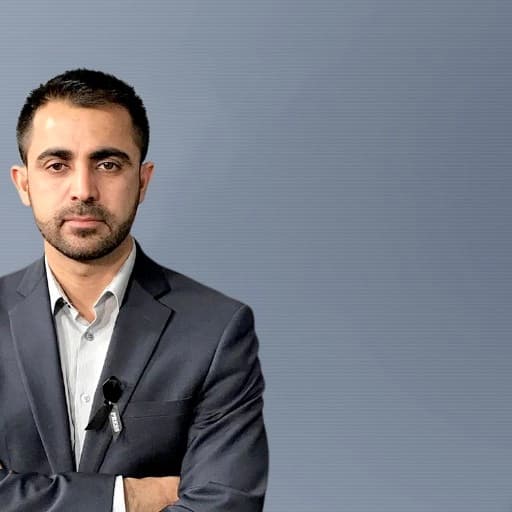
Namo Abdulla is a multimedia journalist and United Nations correspondent for Rudaw, reporting in English and Kurdish. Based in New York, he covers international affairs at the UN, from Security Council diplomacy and humanitarian crises to major agency reports. He produces broadcast packages, web stories, and social-media-friendly content.


Before moving to New York, he served as Rudaw’s Washington bureau chief, leading the network’s coverage of U.S. policy toward the Middle East. His work has also appeared in Reuters, The New York Times, Al Jazeera, and Voice of America.


He holds an M.A. from the Columbia University Graduate School of Journalism.

Namo Abdulla
Namo Abdulla05-02-2014

Namo Abdulla is a multimedia journalist and United Nations correspondent for Rudaw, reporting in English and Kurdish. Based in New York, he covers international affairs at the UN, from Security Council diplomacy and humanitarian crises to major agency reports. He produces broadcast packages, web stories, and social-media-friendly content.


Before moving to New York, he served as Rudaw’s Washington bureau chief, leading the network’s coverage of U.S. policy toward the Middle East. His work has also appeared in Reuters, The New York Times, Al Jazeera, and Voice of America.


He holds an M.A. from the Columbia University Graduate School of Journalism.

Related Articles

‘Too early’ to judge Baghdad’s crackdown on armed groups: Analyst
Interview28-11-2026

‘Too early’ to judge Baghdad’s crackdown on armed groups: Analyst

US reiterates support for federal Iraq, urges dialogue between Erbil and Baghdad
Iraq28-11-2026

US reiterates support for federal Iraq, urges dialogue between Erbil and Baghdad

IRGC says two more tankers hit mines as Hormuz shipping crisis deepens
Middle East28-11-2026

IRGC says two more tankers hit mines as Hormuz shipping crisis deepens

Washington, DC - Last Friday, Iraqi Kurdish leader Masoud Barzani was scheduled to arrive here in Washington to meet White House officials. While Barzani was in Europe, the visit was suddenly canceled and nobody provided explanation for it.

The unexpected cancelation of Barzani’s trip to Washington led to the rise of questions on the state of the US-Kurdistan ties. Was it the White House that didn’t want to receive Barzani? Or was there something that made Barzani angry at the Obama Administration to such a degree?

Fuad Hussein, chief of staff for President Barzani says it’s the second reason, adding that Barzani cancelled his visit to Washington in protest to the hitherto failure of the US to remove his KDP party and another major Kurdish party from its list of Tier III terrorist groups.

Rudaw’s Washington office contacted the White House for comment. Nobody was willing to comment on camera. But in an email, a senior Obama administration official confirmed that the White House had nothing to do with the cancelation of the visit.

“The White House didn’t cancel President Barzani’s visit,” read the email sent Monday by the US official who asked not to be named. “We’d refer you to President Barzani’s office for information about his travel schedule.”

Turning down a White House meeting is a new form of protest that Barzani has tried for the first time. But how wise is such an action by the Kurdish leader in his dealings with a powerful nation such as the United States?

David Pollock, a former State Department advisor and a scholar at the Washington Institute who frequently visits Kurdistan, believed Barzani’s refusal to come Washington at this time didn’t represent an “estrangement” in US ties with Iraqi Kurds.

“I am sure the visit will be rescheduled,” he added.

Listing the KDP and PUK as Tier III terrorist groups stems from the classic US perception that any non-state militant actor rebelling against the state, may be listed as a terrorist group regardless of the goal the group seeks to achieve.

But now since that era of rebellion against dictator Saddam Hussein is gone, Iraqi Kurdistan is expecting the US to delist its parties from the category of terrorist groups.
Related Articles

‘Too early’ to judge Baghdad’s crackdown on armed groups: Analyst
Interview28-11-2026

‘Too early’ to judge Baghdad’s crackdown on armed groups: Analyst

US reiterates support for federal Iraq, urges dialogue between Erbil and Baghdad
Iraq28-11-2026

US reiterates support for federal Iraq, urges dialogue between Erbil and Baghdad

IRGC says two more tankers hit mines as Hormuz shipping crisis deepens
Middle East28-11-2026

IRGC says two more tankers hit mines as Hormuz shipping crisis deepens

Questions