
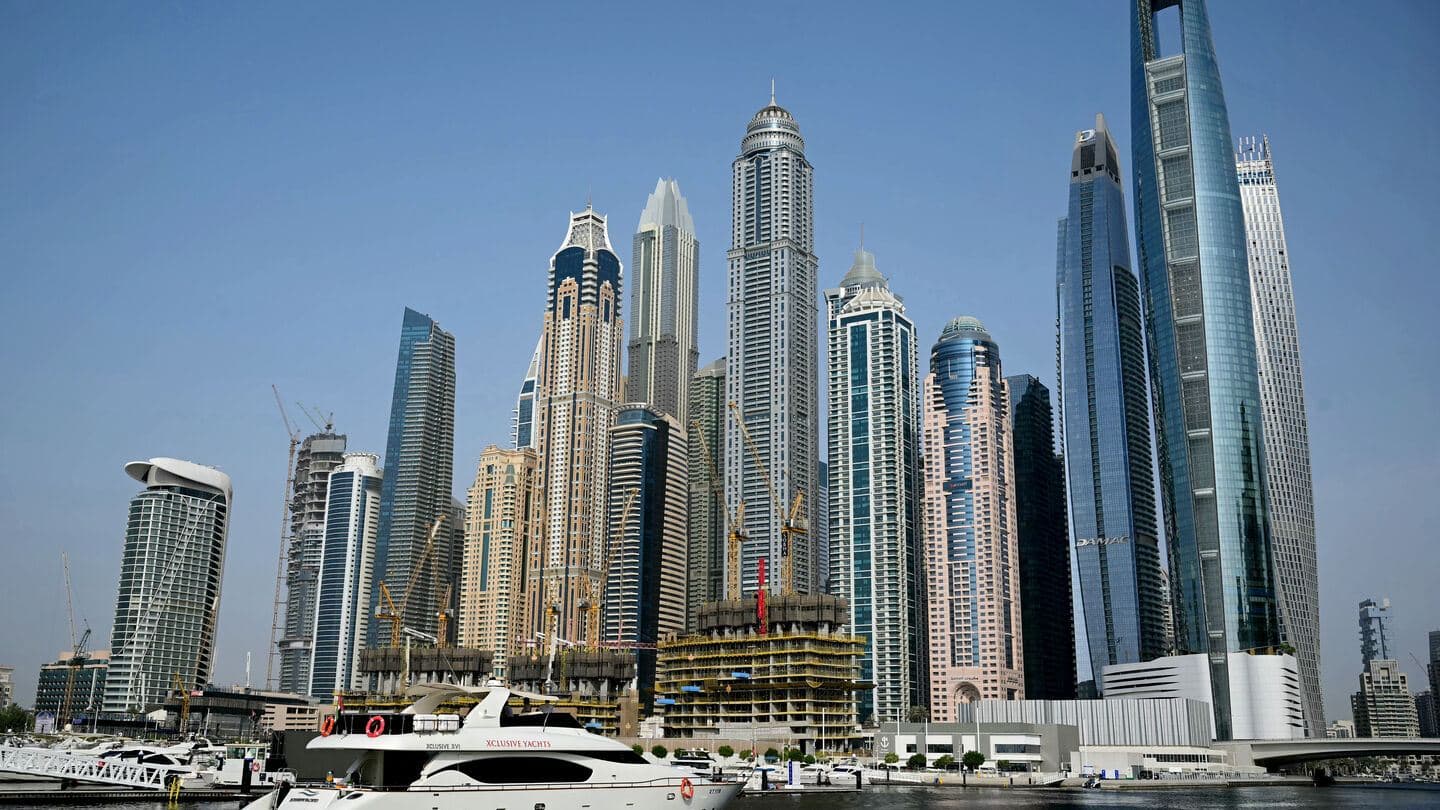
ERBIL, Kurdistan Region - World leaders have strongly condemned Iran’s latest missile and drone strikes on the United Arab Emirates, the first such attack in nearly a month following a ceasefire that ended weeks of conflict involving the United States, Israel, and Iran. Officials across Europe and the Middle East called on Tehran to de-escalate and return to diplomatic negotiations.
The renewed tensions come amid disputes over maritime security in the Strait of Hormuz, a critical global energy corridor. On Tuesday, senior Iranian figure Mohammad Bagher Ghalibaf accused Washington of violating the ceasefire through increased military activity in the waterway, following a US-led effort to restore safe passage for commercial shipping.
The initiative, launched a day earlier under the name “Project Freedom,” aims to escort vessels through the strait after weeks of disruption caused by attacks, sea mines, and heightened military presence. Tensions in the area have remained high since late February, when US and Israeli airstrikes on Iran triggered retaliatory measures from Tehran, including restrictions on maritime traffic.
International reactions
In Europe, leaders issued strong statements condemning the attacks and emphasizing the need for diplomacy.
German Chancellor Friedrich Merz denounced the strikes and urged Iran to return to negotiations, warning against further escalation and reiterating opposition to Tehran acquiring nuclear weapons.
“Tehran must return to the negotiating table and stop holding the region and the world hostage: The blockade of the Strait of Hormuz must end. Tehran must not acquire a nuclear weapon. There must be no further threats or attacks against our partners,” Merz wrote in a statement on X.
Canadian Prime Minister Mark Carney described the attacks as “unprovoked,” affirming solidarity with the UAE and calling for efforts to protect civilians while pushing for de-escalation.
French President Emmanuel Macron labeled the strikes “unjustified and unacceptable,” pledging continued support for regional allies.
Similarly, UK Prime Minister Keir Starmer condemned the escalation and called on Iran to engage in meaningful negotiations to preserve the ceasefire.
"This escalation must cease. Iran needs to engage meaningfully in negotiations to ensure the ceasefire in the Middle East endures, and a long-term diplomatic solution is achieved,” Starmer said.
European Commission President Ursula von der Leyen also criticized the attacks, describing them as "a violation of international law" and warning of broader implications for regional and European security.
Regional response
In the Gulf, reactions were equally firm.
Saudi Arabia’s foreign ministry condemned Iran’s targeting of civilian and economic sites, reaffirming support for the UAE’s sovereignty and security.
Qatar echoed similar concerns, calling the strikes a “blatant violation” of UAE sovereignty and a threat to regional stability, while expressing full solidarity with Abu Dhabi.
The latest escalation underscores the fragility of the ceasefire and the continued volatility surrounding the Strait of Hormuz, with global powers increasingly urging restraint and a renewed focus on diplomacy to prevent further conflict.


