
ERBIL, Kurdistan Region - The European Union unveiled a €175 million (around $190 million) aid package to support the recovery of Syria under its new interim government, following the recent suspension of key sanctions by the United States and European countries.
In a Wednesday statement on X, Dubravka Suica, the EU Commissioner for the Mediterranean, said, “After lifting economic sanctions, we are proposing a €175 million recovery package to help rebuild the [Syrian] economy, create jobs, support institutions, promote accountability and human rights.”
“This is a pivotal moment - a new chapter in EU-Syria relations for the benefit of all Syrian people,” Suica underlined.
According to an EU statement released on Wednesday, the funding is expected to support public institutions with international expertise, including members of the Syrian diaspora.
It will also finance community-driven projects in energy, education, health, and agriculture, as well as economic revitalization, job creation, support for vulnerable communities, and promoting justice and human rights efforts, the statement added.
In May, the EU officially decided to lift its economic sanctions on Syria. At the time, Kaja Kallas, the EU’s High Representative for Foreign Affairs and Security Policy and Vice President of the European Commission, remarked, “We want to help the Syrian people rebuild a new, inclusive and peaceful Syria.”
The decision followed a March pledge of $2.7 billion in aid for Syria by the EU. Germany and the United Kingdom also committed $327 million and $200 million respectively in humanitarian relief. In the previous weeks, the EU had suspended sanctions on Syria’s energy, transport, and banking sectors to ease reconstruction and facilitate humanitarian transactions.
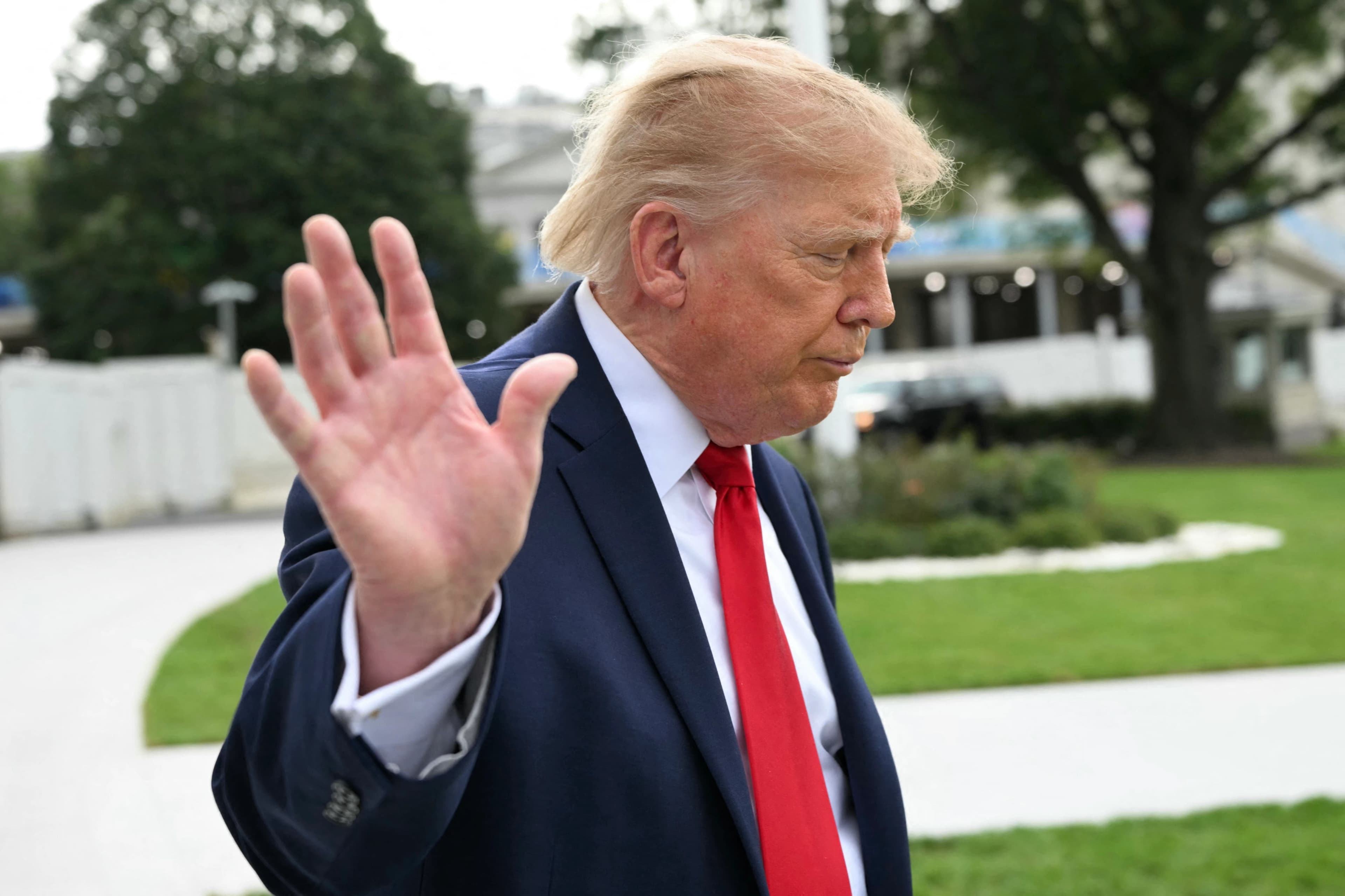
In parallel, the US Treasury in May issued Syria General License (GL) 25, effectively lifting all sanctions to “enable new investment and private sector activity” in the country. The move came shortly after US President Donald Trump announced his decision to lift sanctions to allow Syria a “fresh start.”
Following a swift offensive in early December, a coalition of opposition groups, led by the now-dissolved Hay’at Tahrir al-Sham (HTS) under Ahmed al-Sharaa, toppled the regime of Syrian dictator Bashar al-Assad. In late January, Sharaa was appointed Syria’s interim president.
Since taking office, the new leadership in Damascus has prioritized the removal of international sanctions. However, Western governments have repeatedly warned that sanctions could be reinstated if the interim government fails to make tangible progress towards inclusive governance and the protection of Syria’s diverse ethnic and religious groups.