
NEW YORK - A chief United Nations economist warns that the continuation of the Iran conflict could trigger a food-security shock "worse than what happened" as a result of Russia's invasion of Ukraine.
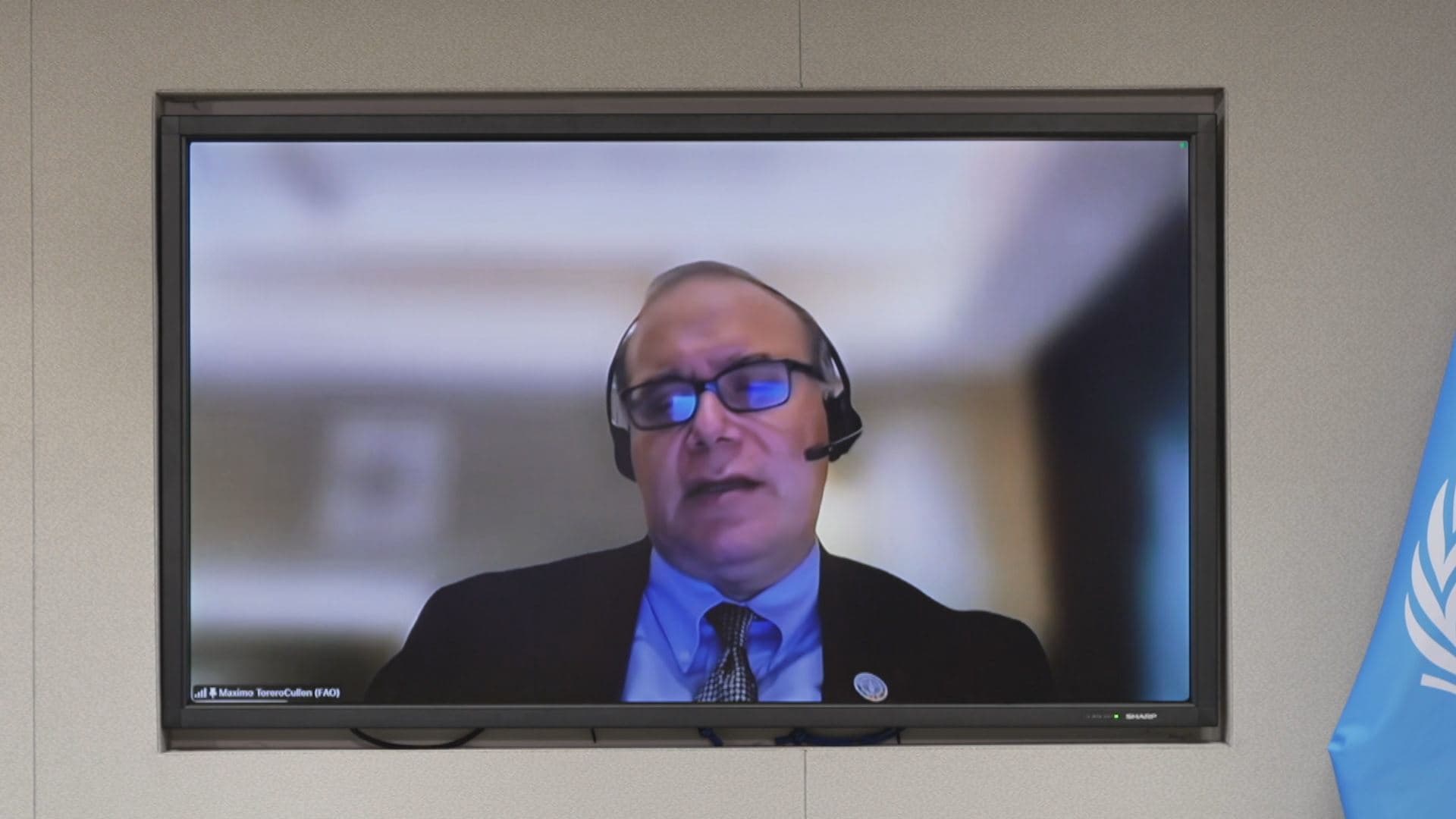
"The clock is ticking very hard," said UN Food and Agriculture Organization's chief economist Maximo Torero during a virtual briefing with UN reporters on Thursday.
"We need to find a way to resolve this problem as soon as possible. Because, if not, the consequences could be different, could be very dramatic, even worse than what happened during Ukraine."
Torero added that markets could cope if the crisis eases quickly, but that a longer disruption (3 to 6 months) would raise risks for farmers, food prices and economic growth.
"We could have food inflation again," he said.
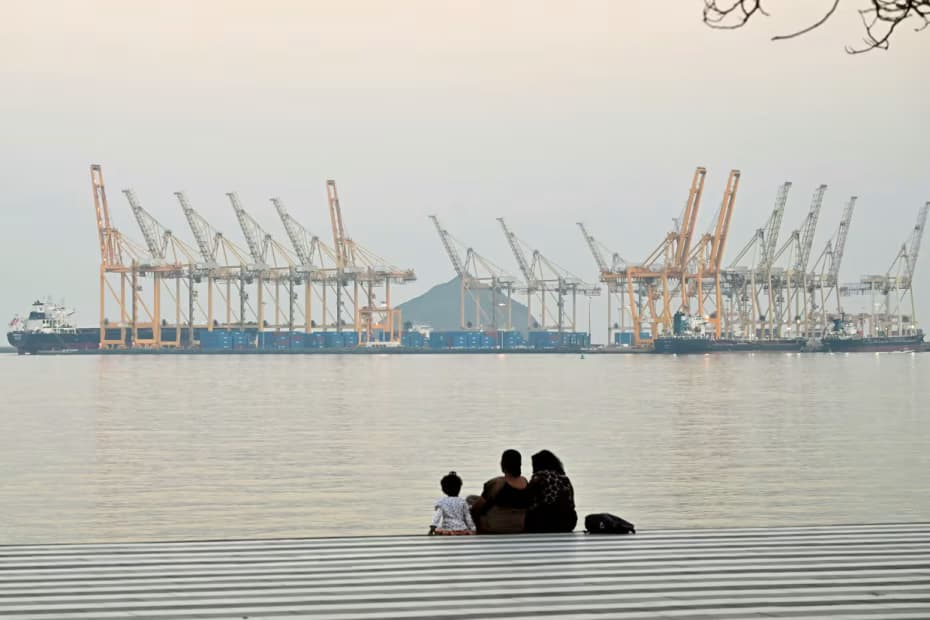
The comments come as the war involving Iran has already choked traffic through the Strait of Hormuz, sent Brent crude above $100 a barrel at points this month, pushed Europe to consider filling gas storage earlier than usual, and raised fears of broader inflation and supply-chain disruption.
Barclays said on Thursday a prolonged Hormuz disruption could remove 13 million to 14 million barrels per day of oil supply, while the European Commission has urged member states to start refilling gas storage as early as April.
Torero said the shock could prove harder to contain than past crises because there are few immediate substitutes for the energy and agricultural inputs at risk.
"There cannot be a supply response to cover crude oil, natural gas, fertilizers and sulfur," he said. "No country in the short term, in the next year or two years, can produce more of these inputs."
That lack of substitute supply is already worrying policymakers and aid agencies. Reuters reported last week that the conflict was threatening a fresh food-price shock across developing countries by disrupting fertilizer flows and lifting energy costs, while the World Food Programme warned on March 17 that 45 million more people could be pushed into acute hunger by June because of rising food, oil and shipping costs.
Torero said the danger could intensify further if weather turns adverse.
"I'm hoping that this problem will stop in one month, but we soon will have El Nino," he said, referring to a periodic warming of surface temperatures in the Pacific Ocean that can disrupt weather patterns worldwide.
"If El Nino happens and is strong, then the combination of those factors, the climate effect, plus the increasing cost of inputs, will exacerbate significantly the situation," he said.