


Error occured during this request! Please try again later.

ERBIL, Kurdistan Region — Technological giant Huawei has warned that the economy is at huge risk from cyberattacks, with the firm's chairman warning that they will incur "six trillion dollars" in damages to the global economy in 2021.
Huawei opened its largest Global Cyber Security and Privacy Protection Transparency Center in Dongguan, China on Wednesday, with Rudaw in attendance as the only media outlet from Iraq and the Kurdistan Region.
Huawei is China’s leading techno-communications producer, and is a world leader in producing mobile phones.
"Cyber security is more important than ever," Ken Hu, Huawei's acting chairman, said at the opening. "As an industry, we need to work together, share best practices, and build our collective capabilities in governance, standards, technology, and verification."
The center is designed to provide a platform for industry stakeholders to share expertise in cyber governance and work on technical solutions together.
Huawei has come under fire for security issues in the past.
Since 2019, it has been banned from doing business with the US due to allegedly posing a threat to national security. It also has been banned from the UK's 5G infrastructure over potential security risks and links to the Chinese government.
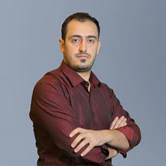
Rawand Jamal, a Sulaimani-based IT and social media expert described the step from Huawei as "important" in building trust, but warned that more needs to be done.
"Much more needs to be done by Huawei and others to be transparent towards their customers,” Jamal told Rudaw English.
"The problem is our people do not pay much attention to the security of their devices while cyber security attacks are on the rise day by day. We see how people do suffer from their smartphones being hacked, their data and information being stolen,” he added.


Comments
Rudaw moderates all comments submitted on our website. We welcome comments which are relevant to the article and encourage further discussion about the issues that matter to you. We also welcome constructive criticism about Rudaw.
To be approved for publication, however, your comments must meet our community guidelines.
We will not tolerate the following: profanity, threats, personal attacks, vulgarity, abuse (such as sexism, racism, homophobia or xenophobia), or commercial or personal promotion.
Comments that do not meet our guidelines will be rejected. Comments are not edited – they are either approved or rejected.
Post a comment