


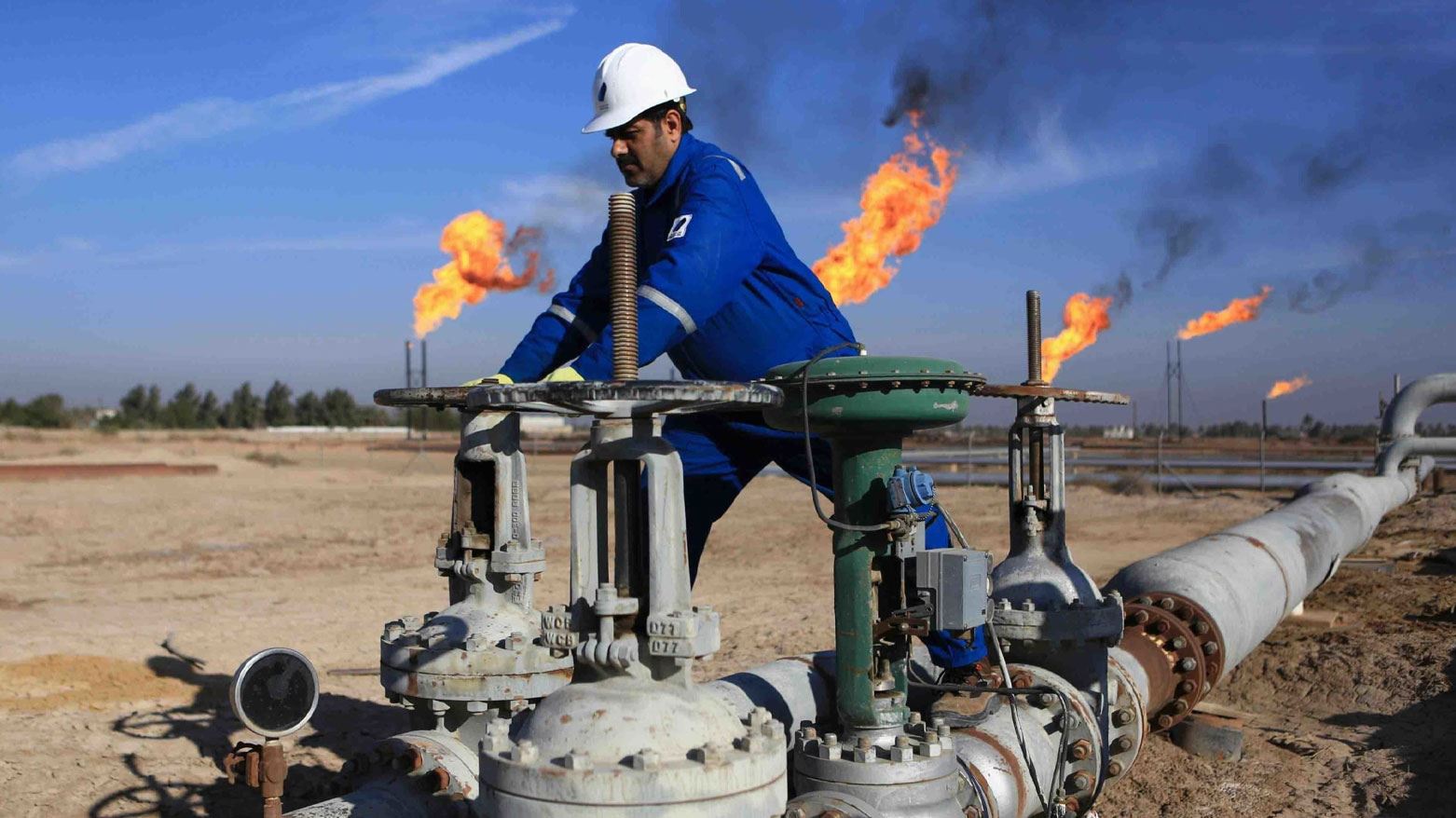
ERBIL, Kurdistan Region - Iraq exported over 110 million barrels of oil during the month of October including more than five million from the Kurdistan Region and Kirkuk, up from September's 102 million barrels, State Oil Marketing Organization (SOMO) has announced in a report.
According to data from SOMO for October, the total exports from Iraq—including from the Kurdistan Region and Kirkuk's fields, stood at 110,650,970 barrels.
The oilfields of the Kurdistan Region and Kirkuk contributed 5,834,864 barrels to Iraq's total oil exports to global markets, representing approximately five percent of the total exported volume.
The report, however, does not indicate how much Baghdad has pocketed in the October sales, but the Middle East Economic Survey (MEES), says Iraq exports three types of oil at prices both below and above the daily prices of Brent and Texas crude to Asian, European, and US markets.
According to MEES, Kirkuk oil is exported from the Port of Ceyhan to European and US markets, with the majority going to Europe. Its price for October 2025 was approximately $2.9 higher than Brent and $1.5 higher than Texas crude. In this context, the Kurdistan Region's exported oil in October traded at $68.89 per barrel for European markets and $63.29 per barrel for US markets.
Oil exports from the Kurdistan Region resumed in late September following a tripartite three-months deal between the federal government, the Kurdistan Regional Government (KRG) and the IOCs.
The exports resumed after a suspension of nearly two and a half years, due to a March 2023 ruling by a Paris-based arbitration court that found Turkey had violated a 1973 pipeline agreement by permitting Erbil to independently export oil since 2014.
Under the current agreement, Kurdish oil is handed over to SOMO, with a portion allocated for domestic use.
Hamdi Singary, deputy director of SOMO, told Rudaw in mid-October that the current three-month agreement between the federal government, the KRG, and the IOCs is set to expire on December 31.


Comments
Rudaw moderates all comments submitted on our website. We welcome comments which are relevant to the article and encourage further discussion about the issues that matter to you. We also welcome constructive criticism about Rudaw.
To be approved for publication, however, your comments must meet our community guidelines.
We will not tolerate the following: profanity, threats, personal attacks, vulgarity, abuse (such as sexism, racism, homophobia or xenophobia), or commercial or personal promotion.
Comments that do not meet our guidelines will be rejected. Comments are not edited – they are either approved or rejected.
Post a comment