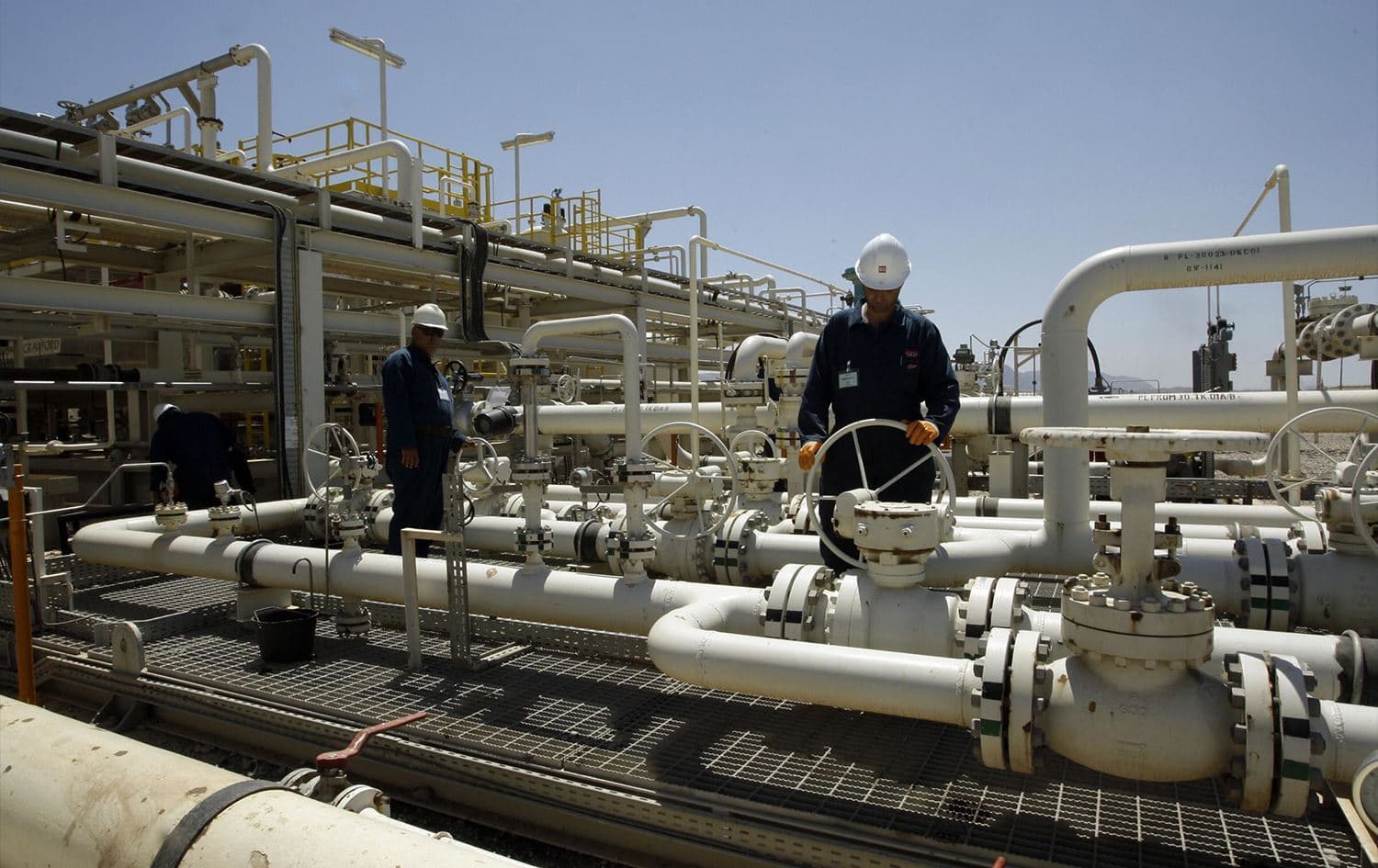

ERBIL, Kurdistan Region - The Iraqi government has agreed to refrain from modifying the contracts of international oil companies operating in the Kurdistan Region, senior sources told Rudaw on Tuesday, with the Region’s long-stalled oil exports on the cusp of resumption.
A joint committee is set to be formed between Erbil and Baghdad to restart oil exports with all parties awaiting the results of a crucial Coordination Framework, Iraq’s ruling coalition, meeting expected to be held on Tuesday night.
“The meeting will be decisive in resolving disagreements about oil and salaries,” a senior source in Baghdad told Rudaw, on the condition of anonymity.
Another source from an oil company operating in the Kurdistan Region said that they have obtained guarantees regarding their demands for oil production and export.
“Guarantees have been given that the consulting company that estimates the costs of oil production and transportation will not make changes to the contracts during its work period,” the source told Rudaw.
In a statement, the Association of the Petroleum Industry of Kurdistan (APIKUR) on Tuesday hailed the expedited efforts by the federal government and the Kurdistan Regional Government (KRG) to resume oil exports.
International Oil Companies (OICs) “reiterated that they are prepared to immediately resume exports through the ITP [Iraq-Turkey pipeline] once binding agreements are in place that ensure payment certainty for such exports which reflect each IOC’s existing, legally valid contractual terms as well as resolution of the outstanding payment arrears to be agreed with each company,” the oil association said in a statement.
Oil exports from the Kurdistan Region through the Iraq-Turkey pipeline have been halted since March 2023 when a Paris-based arbitration court ruled in favor of Baghdad against Ankara, saying the latter had violated a 1973 pipeline agreement by allowing Erbil to begin exporting oil independently in 2014.
“APIKUR member companies stand ready to resume exports as soon as written agreements are executed that honor our existing contracts which are governed by international law,” the statement cited the association’s spokesperson Myles Caggins as saying, reiterating that existing contracts “must be honored in every respect.”
Under the 2025 budget law, the KRG is required to deliver 400,000 barrels per day to the State Oil Marketing Organization (SOMO).
On Saturday, Iraqi Oil Minister Hayyan Abdul Ghani attributed the delay in restarting exports to new demands from Erbil for higher volumes of oil for domestic use, explaining that while the KRG initially agreed on 46,000 barrels per day for internal consumption, it is “now requesting it to be 65,000, thus violating the budget law.”
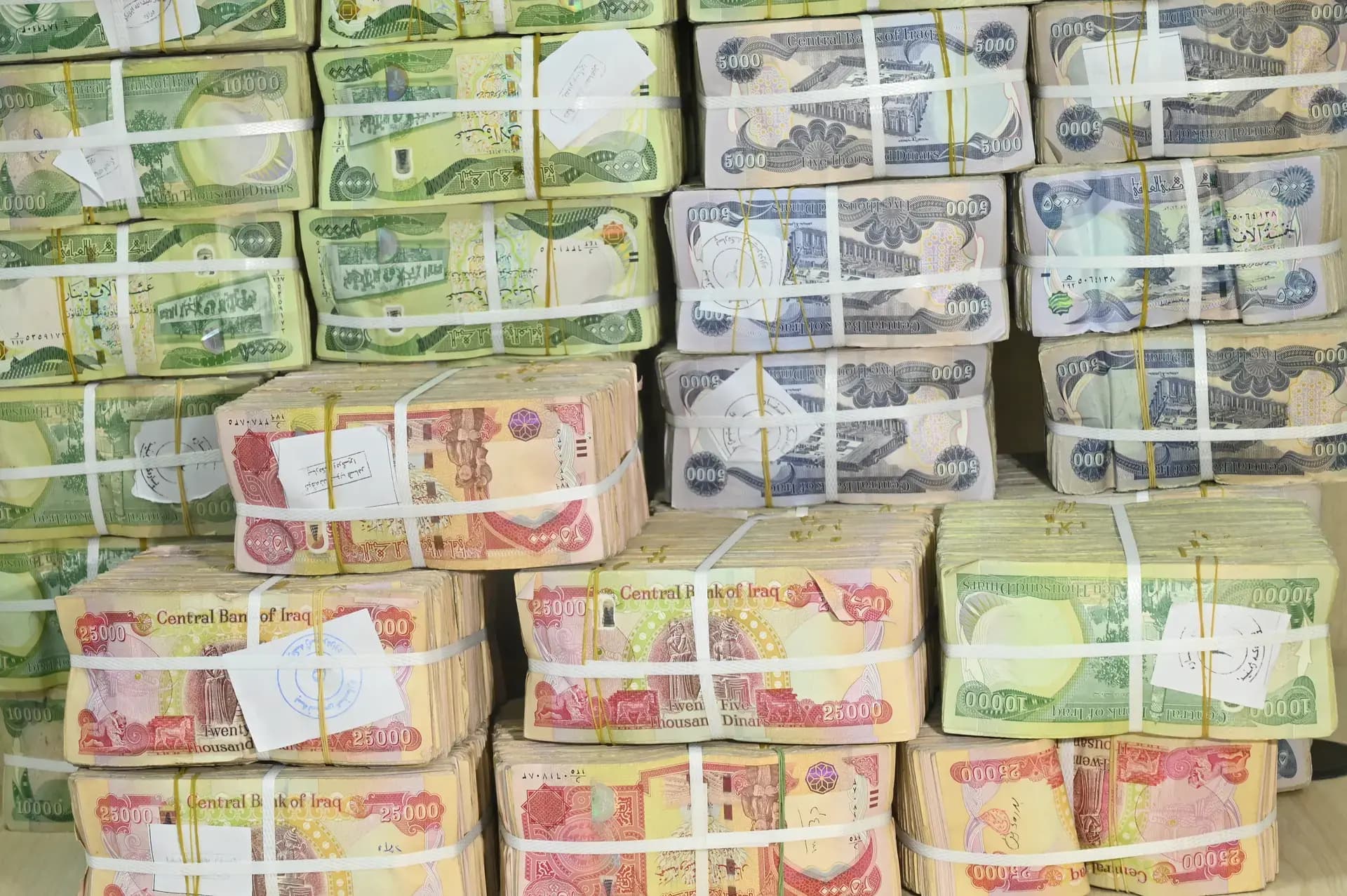
The halt in exports and disputes with Baghdad have put an enormous financial strain on the KRG, which has lost more than $25 billion in oil revenues. Erbil is not able to pay its civil servants and is dependent on funds from Baghdad.
In May, Iraq’s federal finance ministry halted all budget transfers to the KRG, including payments for public employee salaries, claiming the KRG had exceeded its share of federal budget funds and failed to deliver its oil to SOMO. Public sector workers have not been paid since.
Hastyar Qadir contributed to this report.