

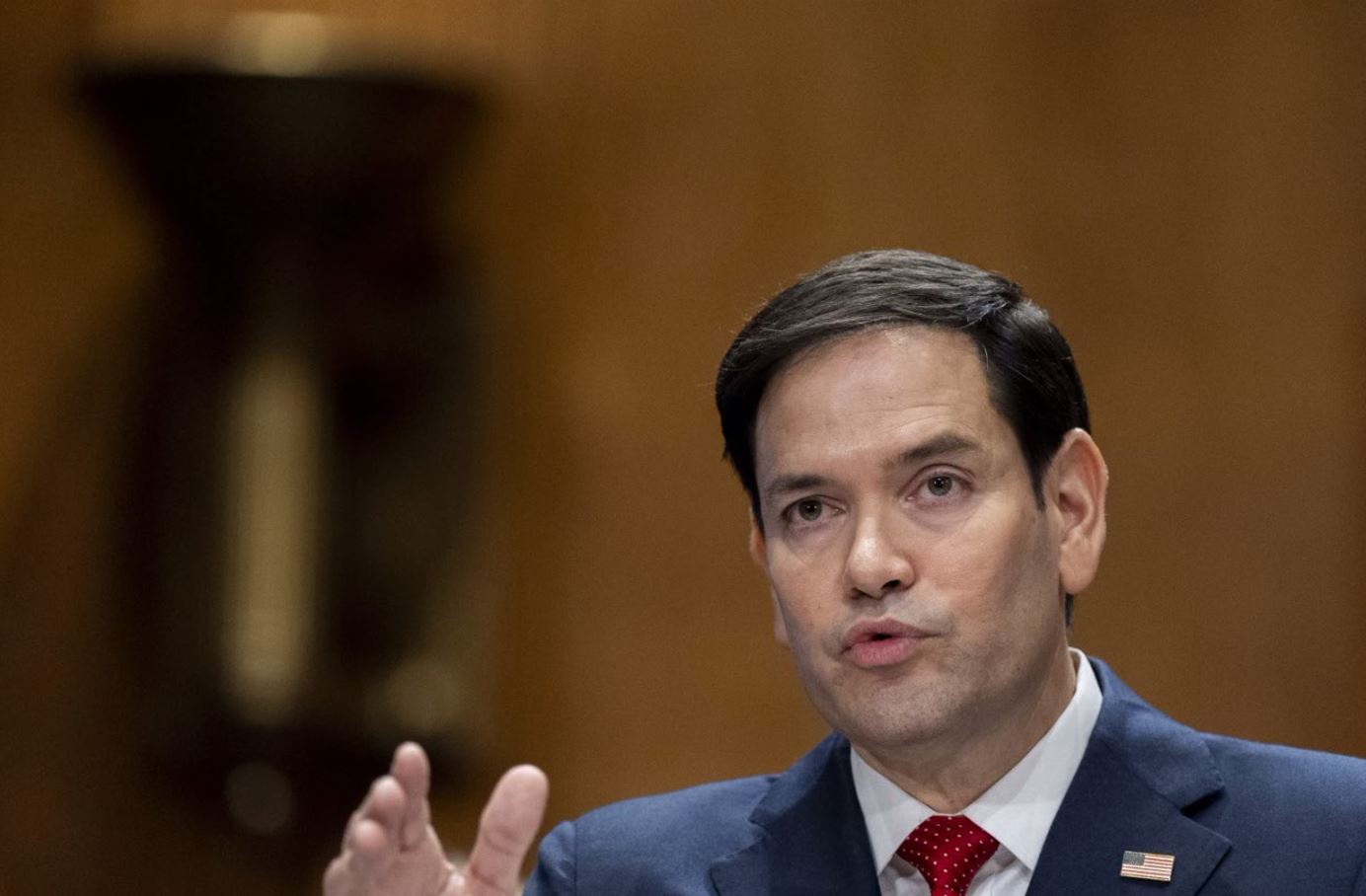
ERBIL, Kurdistan Region - Marco Rubio, US Secretary of State, on Thursday welcomed the announcement of an agreement between Baghdad, Erbil, and international oil companies to resume Kurdish oil exports through Turkey, adding that the deal was facilitated by Washington.
Rubio added that the agreement will "bring tangible benefits for both Americans and Iraqis."
The statement comes days after the Kurdistan Regional Government (KRG) and most of the international oil companies operating in the Region announced that they had reached an agreement with Baghdad to resume the Kurdish oil exports though Turkey-Iraq Pipeline.
Iraqi Prime Minister Mohammed Shia' al-Sudani called the agreement "historic."
Oil exports from the Kurdistan Region through the Iraq-Turkey pipeline have been suspended since March 2023, following a ruling by a Paris-based arbitration court in favor of Baghdad. The court found that Ankara had violated a 1973 pipeline agreement by allowing Erbil to independently export oil since 2014.
Rubio commended Iraqi and Kurdish officials "to make this progress possible," noting that the agreement "will strengthen the mutually beneficial economic partnership between the United States and Iraq, encourage a more stable investment environment throughout Iraq for U.S. companies, enhance regional energy security, and reinforce Iraq’s sovereignty."
Kurdistan Region's ministry of natural resources late Thursday that the exports are expected to resume within 48 hours.
The Association of the Petroleum Industry of Kurdistan (APIKUR), an umbrella group of oil producers operating in the Kurdistan Region, also welcomed the tripartite agreement.
All members of APIKUR, except for the largest producer Norway's DNO and its partner Genel Energy, have signed the agreement, Rudaw has learned.
"The interim agreements allow exports to restart in the coming days, while providing a path toward longer-term arrangements. We anticipate exports will resume within a few days," said APIKUR.


Comments
Rudaw moderates all comments submitted on our website. We welcome comments which are relevant to the article and encourage further discussion about the issues that matter to you. We also welcome constructive criticism about Rudaw.
To be approved for publication, however, your comments must meet our community guidelines.
We will not tolerate the following: profanity, threats, personal attacks, vulgarity, abuse (such as sexism, racism, homophobia or xenophobia), or commercial or personal promotion.
Comments that do not meet our guidelines will be rejected. Comments are not edited – they are either approved or rejected.
Post a comment