
ERBIL, Kurdistan Region - Iraq has seen over 270 trips, as part of the international road transport agreement, known globally as the Transports Internationaux Routiers (TIR) since July, according to the transport ministry.
The agreement - reactivated in March after a 40-year hiatus - in reconnecting Iraq and the Kurdistan Region to the global economic map.
"The number of trips implemented under the TIR agreement has reached more than 273 cargo trips since the launch of the agreement. The first pilot trip under the agreement was on March 3, while the first official trip launched on June 3rd," ministry spokesman Maitham al-Safi, told Iraq's state media on Sunday.
"Implementing the TIR system is a strategic step towards building an integrated transport system that combines economics, technology, and modern management in accordance with international standards. It contributes to transforming Iraq's borders into bridges for development and economic integration with neighboring countries and the region," he said.
"Activating the TIR Agreement in Iraq means returning it to the global trade map and restoring its international standing," noting that it "represents an important message to all investors and the private sector to invest in Iraq."
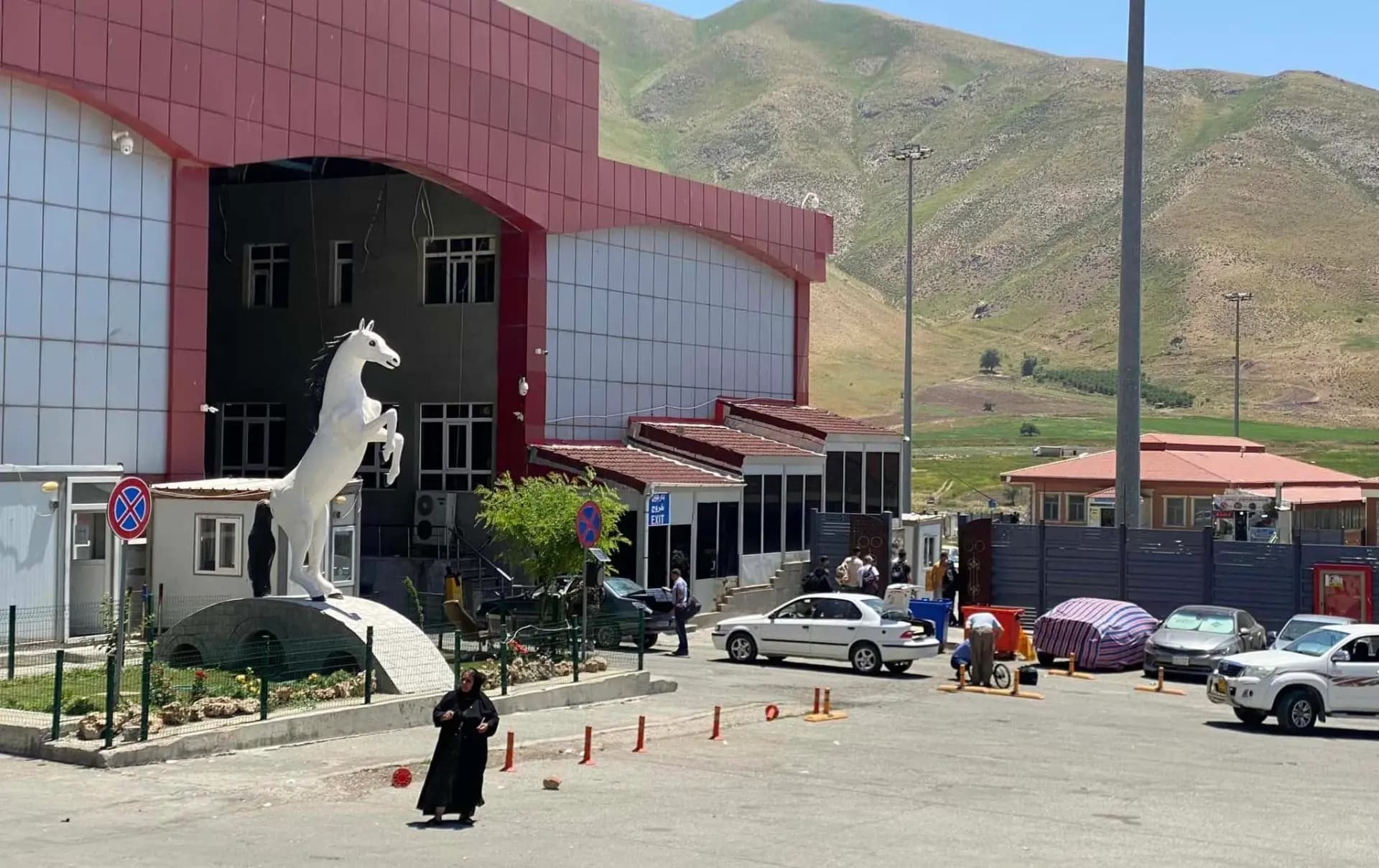
He said truck traffic covered by the system has taken place through “a number of important border crossings, including Ibrahim Khalil, Turaibil, and Safwan, in addition to the port of Umm Qasr."
The TIR system is the world’s most widely used international customs transit mechanism, currently adopted by more than 78 contracting parties, including numerous countries and the European Union.
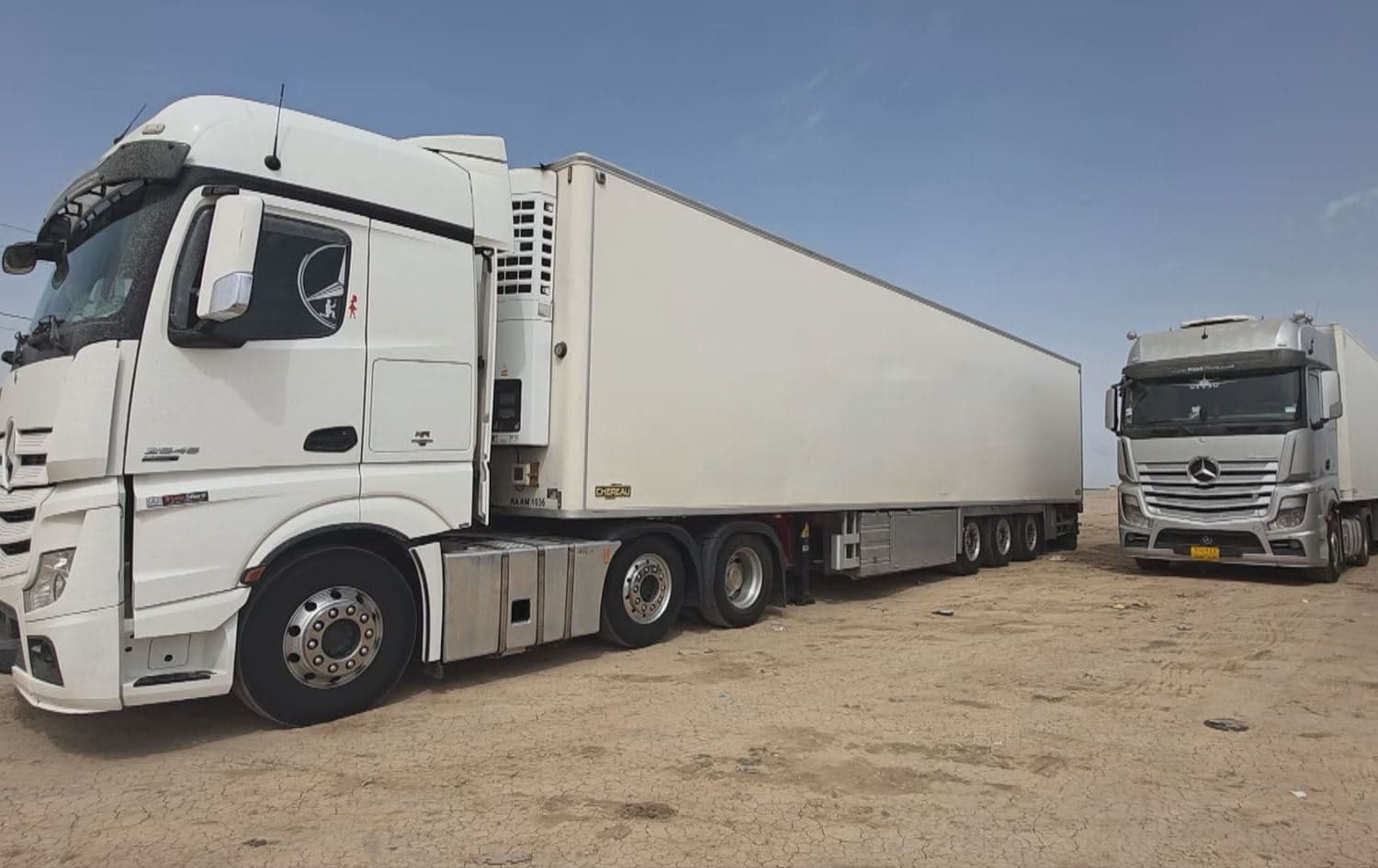
The agreement’s main aim is to simplify customs procedures for goods traveling across international borders by road. It facilitates the movement of goods across international borders by allowing cargo to travel in sealed vehicles under a single customs document - the TIR Carnet - with minimal border inspections.
The system simplifies customs procedures, reduces delays, and streamlines international trade by road.
Iraq has previously said that the resumption of the TIR system paves the way for the successful implementation of the strategic Development Road Project implementation and “ensures safe and smooth interregional trade and represents an open invitation to investors and the private sector to strongly enter the Iraqi market.”
Spanning 1,200 kilometers, the Development Road Project begins at the southern Iraqi province of Basra’s Faw Port on the Persian Gulf and stretches to the northern borders with Turkey. The $17 billion corridor will feature both railways and highways designed to transport goods and passengers with the goal of making Iraq a trade hub.
The reactivation of the TIR system is expected to reduce transport time by around 80 percent, lower costs by approximately 38 percent, and create thousands of job opportunities for youth, according to official statements from Iraq.
The transport ministry spokesperson explained that Iraq has already held "discussions with the Kingdom of Saudi Arabia to regulate the movement of trucks through the Arar border crossing, as part of efforts to expand regional trade connectivity."
"Shipments transported through the system include food, industrial products, equipment and machinery, and raw materials used in various production sectors," he said, stressing that "this step strengthens Iraq's position as a pivotal corridor for regional and international trade."