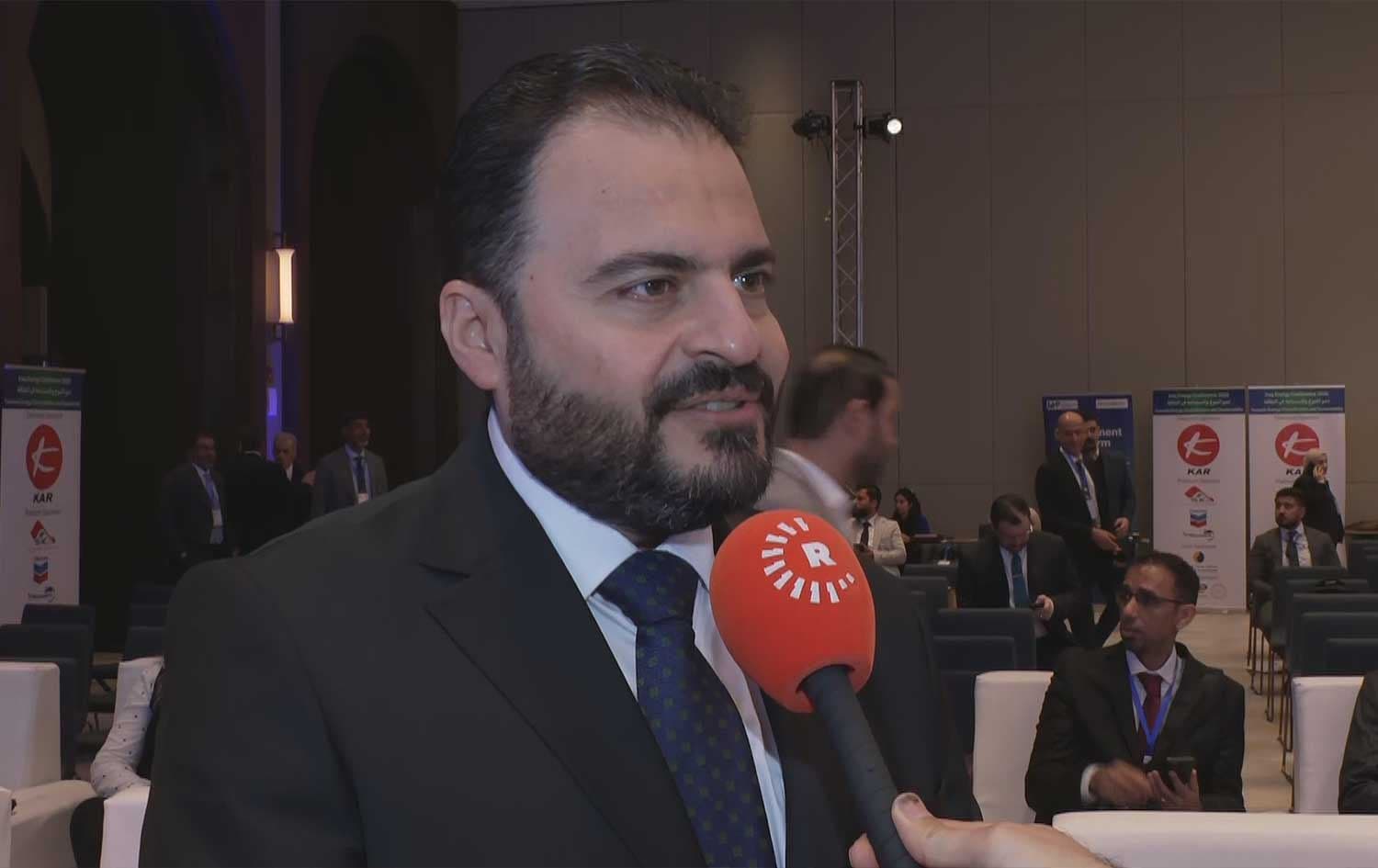
ERBIL, Kurdistan Region - Iraq’s State Organization for Marketing of Oil (SOMO) is currently exporting oil from the Kurdistan Region at an average rate of 200,000 barrels per day, Ali Nizar, Director-General of SOMO, told Rudaw on Thursday, expressing hope that exports will increase as production rises.
The export process is proceeding smoothly, Nizar said, stressing that cooperation among all involved sides in Erbil and Baghdad remains strong. “There are no problems at all. All parties are truly cooperating to make the historic [tripartite] agreement a success,” he said.
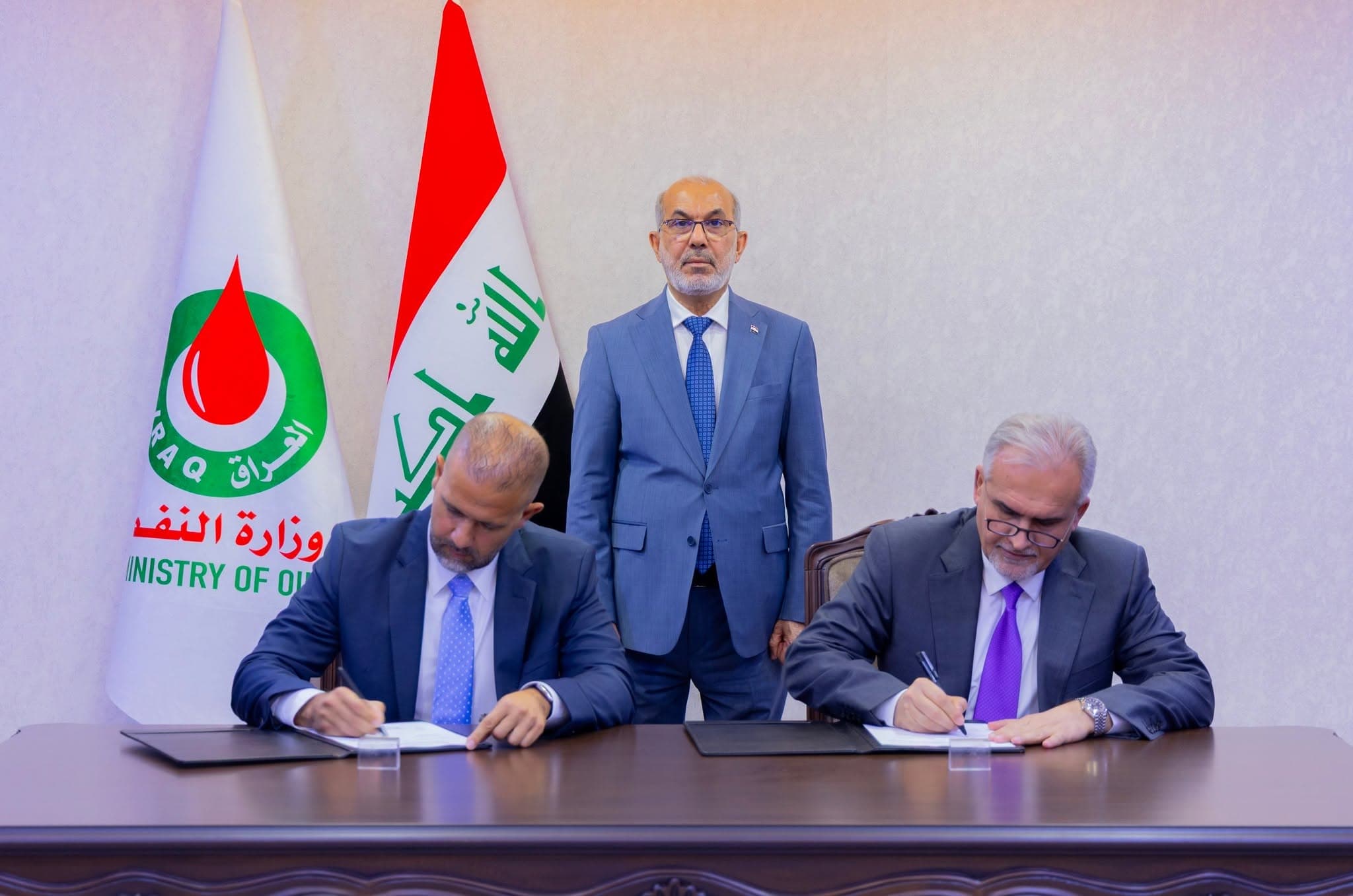
Baghdad, Erbil, and the international oil companies operating in the Kurdistan Region signed a tripartite agreement on September 22 last year to resume the Region's oil exports. Exports, which had been suspended since March 2023 after Iraq won an arbitration case against Turkey in a Paris-based court, resumed to Turkey’s Ceyhan port on September 27.
In late December, Baghdad, Erbil, and international oil companies agreed to extend the agreement for an additional three months.
According to Nizar, exports and production have since continued without interruption. He further hoped “to increase them in the near future to achieve higher financial revenues for the country” and noted the possibility of extending the agreement yet another time.
“The possibility of renewal is linked to success and success has indeed been achieved, therefore, renewal is possible,” he said, adding that the matter “is a decision left to the next Iraqi government.” The current agreement will remain in effect until the end of March.
On oil prices, Nizar said SOMO is prioritizing market stability over short-term price considerations. “Currently, we are not focusing on the price of oil as much as we are focusing on balance in the oil market,” he said, adding that “balance is what achieves a fair price for both the consumer and the producer alike, and that is what we aspire to.”