
ERBIL, Kurdistan Region - An official from the Central Bank of Iraq (CBI) said on Wednesday that the bank is not responsible for the widening gap between the official dollar exchange rate and the market rate, attributing the discrepancy to new customs measures and demand for unofficial trade financing.
Alaa al-Fahd, the media official for the CBI, told Rudaw that the current discrepancy in exchange rates "is a result of new measures taken due to the implementation of the ASYCUDA [the Automatic System for Customs Data] system in customs tariffs," adding that most traders "have turned to the unofficial market to finance trade that is not official in order to evade taxes and customs.”
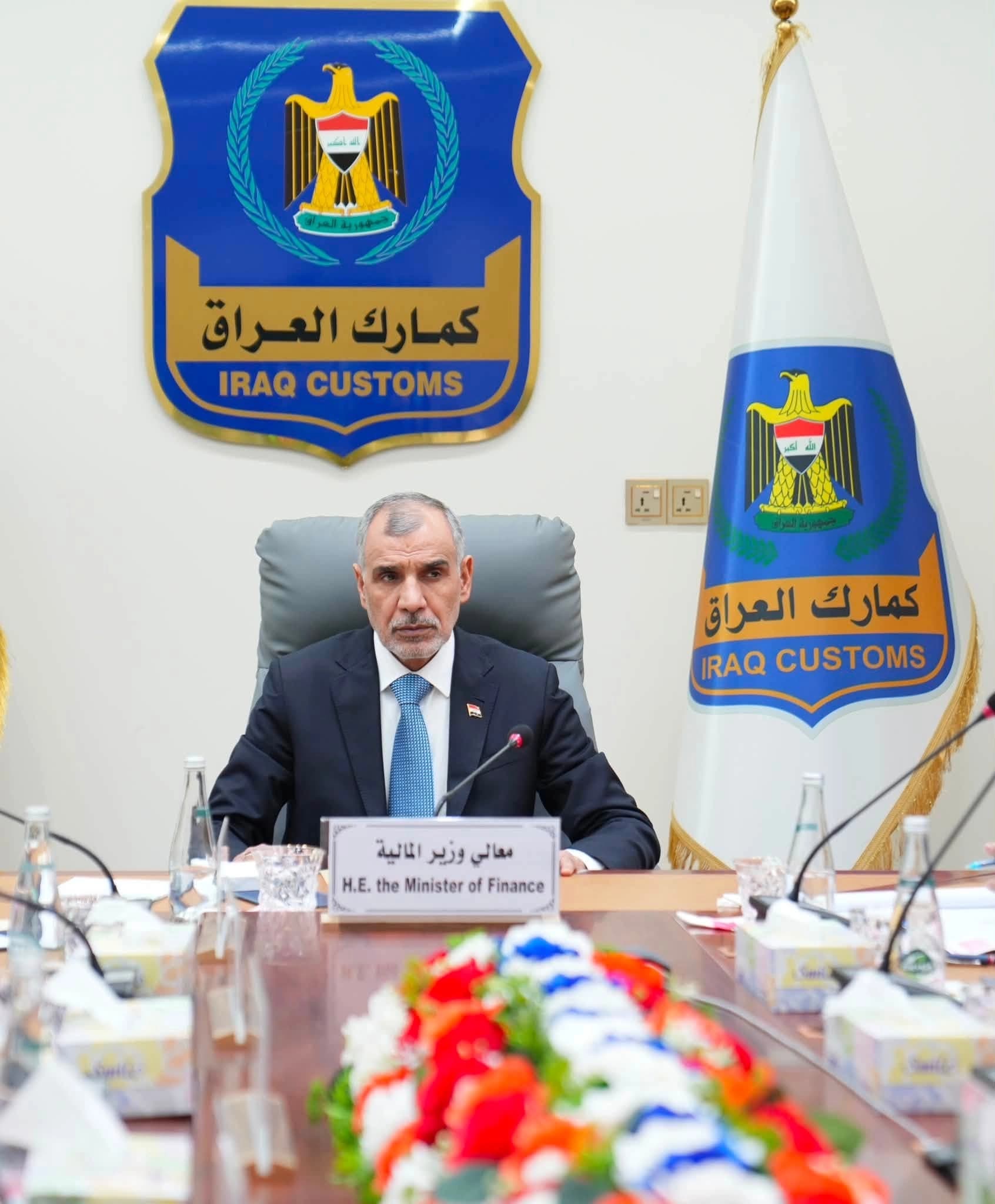
The electronic automation ASYCUDA system was developed by the United Nations Conference on Trade and Development (UNCTAD) in the early 1980s and now covers all 22 of Iraq’s federal border crossings, including key ports in southern Iraq.
The system, which is used to standardize and digitize customs processes, has been introduced in Iraq as part of broader reforms aimed at increasing transparency and improving revenue collection.
However, according to the CBI, the transition has also pushed some traders to seek foreign currency outside official banking channels.
“The Central Bank has attempted to bring all traders, even small-scale ones, into the official market and to conduct the financing of foreign trade through international banks,” Fahd said.
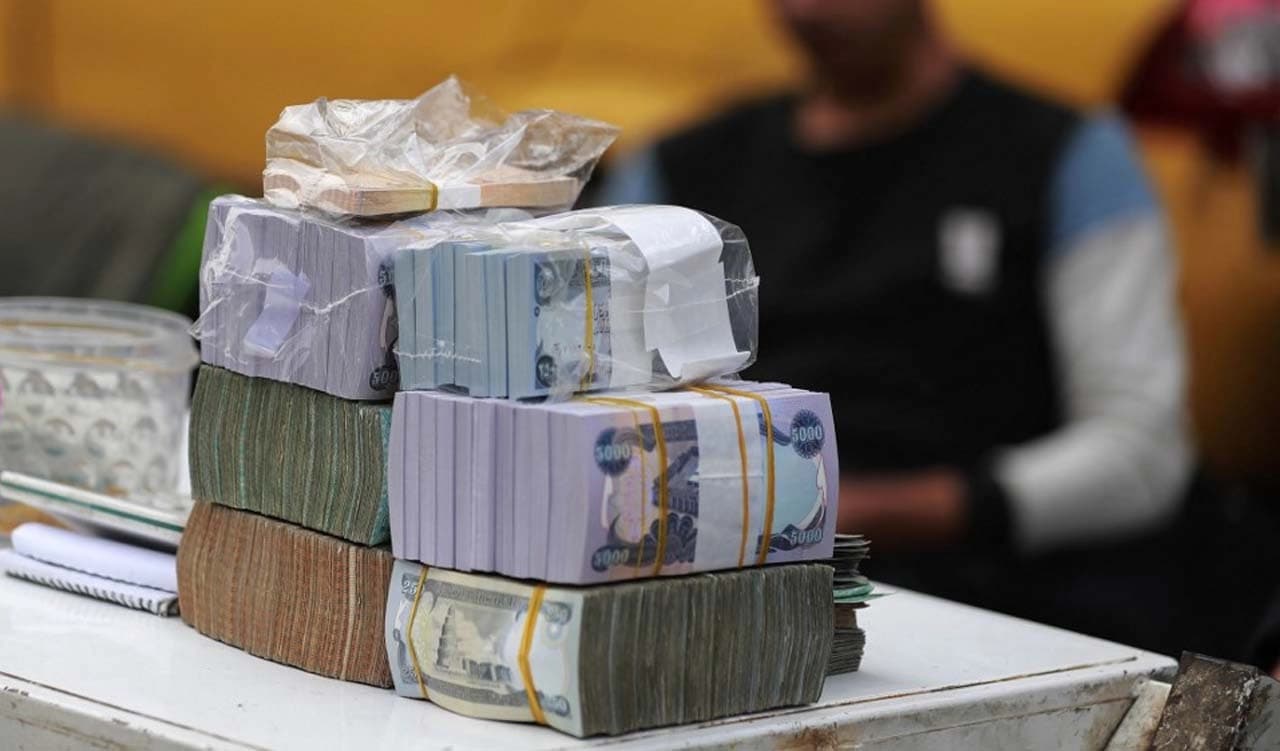
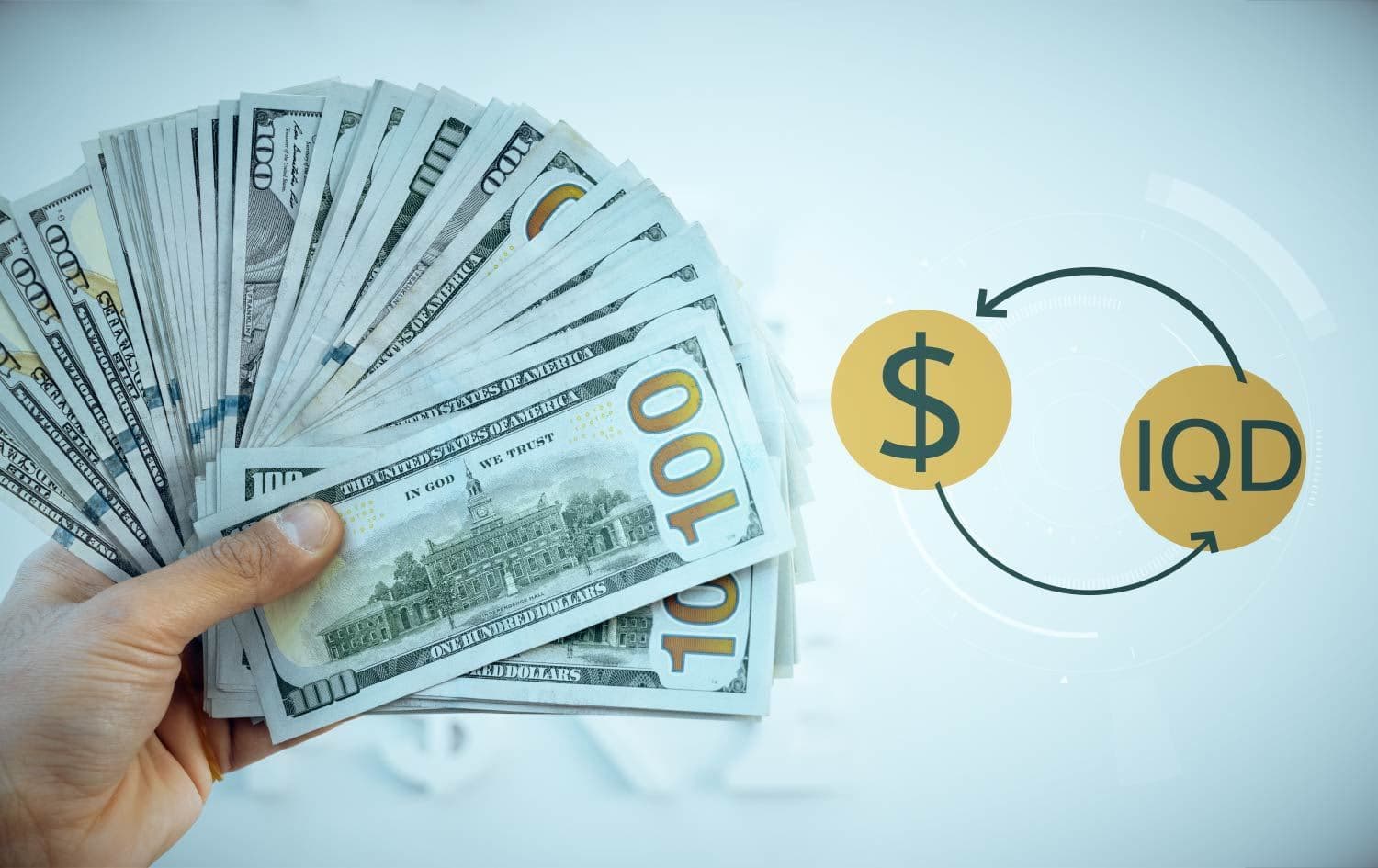
The Iraqi dinar has been under sustained pressure in recent months. As of Wednesday, the exchange rate in the parallel market stood at 1,530 dinars per US dollar, significantly weaker than the official rate of 1,320 dinars.
Fahd stressed that the Central Bank should not be held accountable for the higher market rate “because it is related to financing demands for trade that is not official.”
Last week, the CBI Governor Ali al-Alaq said there are no plans to change the dinar’s exchange rate, stressing that the bank’s foreign reserves remain strong and that recent market speculation is misplaced, while confirming that the government is pressing ahead with customs reforms, including ASYCUDA system and new tariffs.
“There is great confusion occurring,” Alaq told Rudaw, adding that the CBI “is not studying the topic of changing the exchange rate.” He said such a decision would only be considered if Iraq faced an inability to meet demand for foreign currency due to weak reserves, which he said is “not the case at the present time.”
Fahd's remarks come as Iraq’s banking sector undergoes scrutiny and reform. To date, 22 Iraqi banks have been barred from dealing in US dollars, a move linked to compliance and regulatory concerns.
Addressing the issue of banking reform and sanctioned banks, Fahd said the Central Bank has a plan and effort “for banking reform in coordination with the Oliver Wyman company to develop banking operations and financial compliance according to international standards.”
Offering reassurance about the progress of the reform program, he stated that “this plan with Oliver Wyman has reached an advanced stage and, upon completion, the banking sector - including all government and private banks - will be developed.”
According to official data, Iraq currently has 64 banks and 101 banking and non-banking financial institutions. Of these, 70 are banking financial institutions and 31 are non-banking institutions. More than 67,000 companies manage their financial affairs through these entities.
Malik Mohammed contributed to this report from Erbil, Kurdistan Region.