


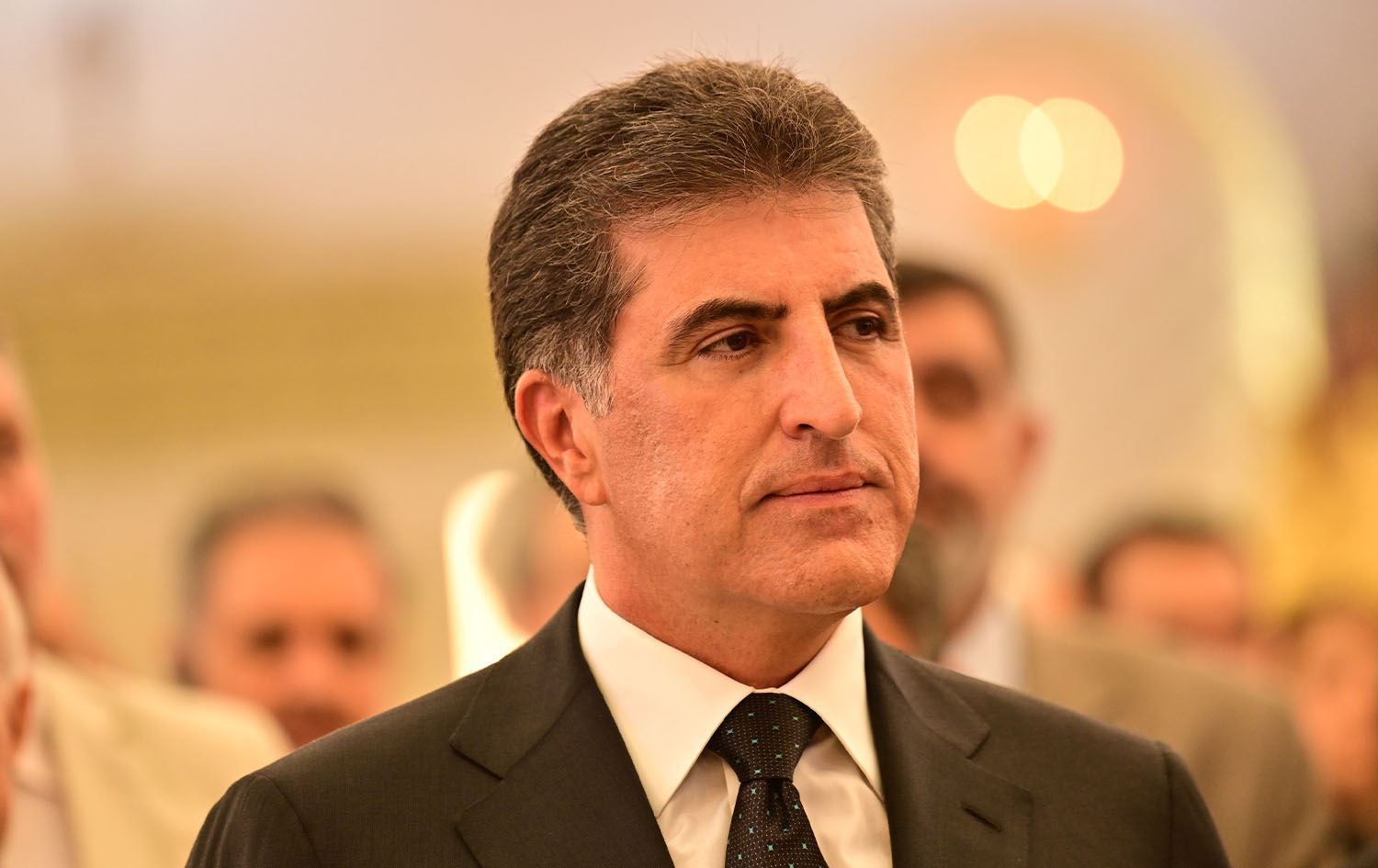
ERBIL, Kurdistan Region - Kurdistan Region President Nechirvan Barzani on Saturday congratulated the Kakayi (Yarsan) community on the occasion of the Qawltas feast, reaffirming the Region’s commitment to protecting their rights and identity.
“I extend my heartfelt congratulations to all Kakayi (Yarsani) brothers and sisters in the Kurdistan Region, Iraq, and around the globe on the occasion of Eid al-Qultas (Three Nights’ Day),” Barzani said in a statement, wishing them peace and joy on the holiday.
The Kakayis, generally considered ethnically Kurdish, follow the Yarsan religion, a belief system rooted in the 14th-century teachings of Sultan Sahak and spanning areas of present-day Iraqi and Iranian Kurdistan. In Iraq, their population is estimated at between 110,000 and 200,000, mainly concentrated in Daquq district in southeastern Kirkuk province and in parts of the Nineveh Plains east of Mosul.
Daquq’s Topzawa village is regarded as a spiritual center for the Kakayis, though their presence in the area has sharply declined since 2017.
“Our Kakayi citizens, as an ancient and indigenous community of this nation, have consistently exemplified tolerance, peacefulness, and patriotism,” Barzani said. “Throughout history, they have preserved their identity, religion, and culture, and have made sacrifices to defend Kurdistan despite numerous challenges and hardships.”
He affirmed that the Kurdistan Region “will continue to be a haven of peace and coexistence” for the Kakayi community, stressing continued support for their rights and the protection of their religious and social identity.
During the campaign against the Islamic State (ISIS) that began in 2016, Kakayis fought alongside Kurdish Peshmerga forces to defend their communities. At least 200 members of the group were reportedly killed by the militants, who targeted them for their religious identity.
Prime Minister Masrour Barzani also congratulated the Kakayi community, describing them as “an important part of the Kurdish people” with a long history in the Kurdish liberation movement. He expressed hope that they would continue to live in unity and peace alongside all other communities in the Region.
“I extend my heartfelt congratulations to all Kakayi (Yarsani) brothers and sisters in the Kurdistan Region, Iraq, and around the globe on the occasion of Eid al-Qultas (Three Nights’ Day),” Barzani said in a statement, wishing them peace and joy on the holiday.
The Kakayis, generally considered ethnically Kurdish, follow the Yarsan religion, a belief system rooted in the 14th-century teachings of Sultan Sahak and spanning areas of present-day Iraqi and Iranian Kurdistan. In Iraq, their population is estimated at between 110,000 and 200,000, mainly concentrated in Daquq district in southeastern Kirkuk province and in parts of the Nineveh Plains east of Mosul.
Daquq’s Topzawa village is regarded as a spiritual center for the Kakayis, though their presence in the area has sharply declined since 2017.
“Our Kakayi citizens, as an ancient and indigenous community of this nation, have consistently exemplified tolerance, peacefulness, and patriotism,” Barzani said. “Throughout history, they have preserved their identity, religion, and culture, and have made sacrifices to defend Kurdistan despite numerous challenges and hardships.”
He affirmed that the Kurdistan Region “will continue to be a haven of peace and coexistence” for the Kakayi community, stressing continued support for their rights and the protection of their religious and social identity.
During the campaign against the Islamic State (ISIS) that began in 2016, Kakayis fought alongside Kurdish Peshmerga forces to defend their communities. At least 200 members of the group were reportedly killed by the militants, who targeted them for their religious identity.
Prime Minister Masrour Barzani also congratulated the Kakayi community, describing them as “an important part of the Kurdish people” with a long history in the Kurdish liberation movement. He expressed hope that they would continue to live in unity and peace alongside all other communities in the Region.


Comments
Rudaw moderates all comments submitted on our website. We welcome comments which are relevant to the article and encourage further discussion about the issues that matter to you. We also welcome constructive criticism about Rudaw.
To be approved for publication, however, your comments must meet our community guidelines.
We will not tolerate the following: profanity, threats, personal attacks, vulgarity, abuse (such as sexism, racism, homophobia or xenophobia), or commercial or personal promotion.
Comments that do not meet our guidelines will be rejected. Comments are not edited – they are either approved or rejected.
Post a comment