


Kurdistan

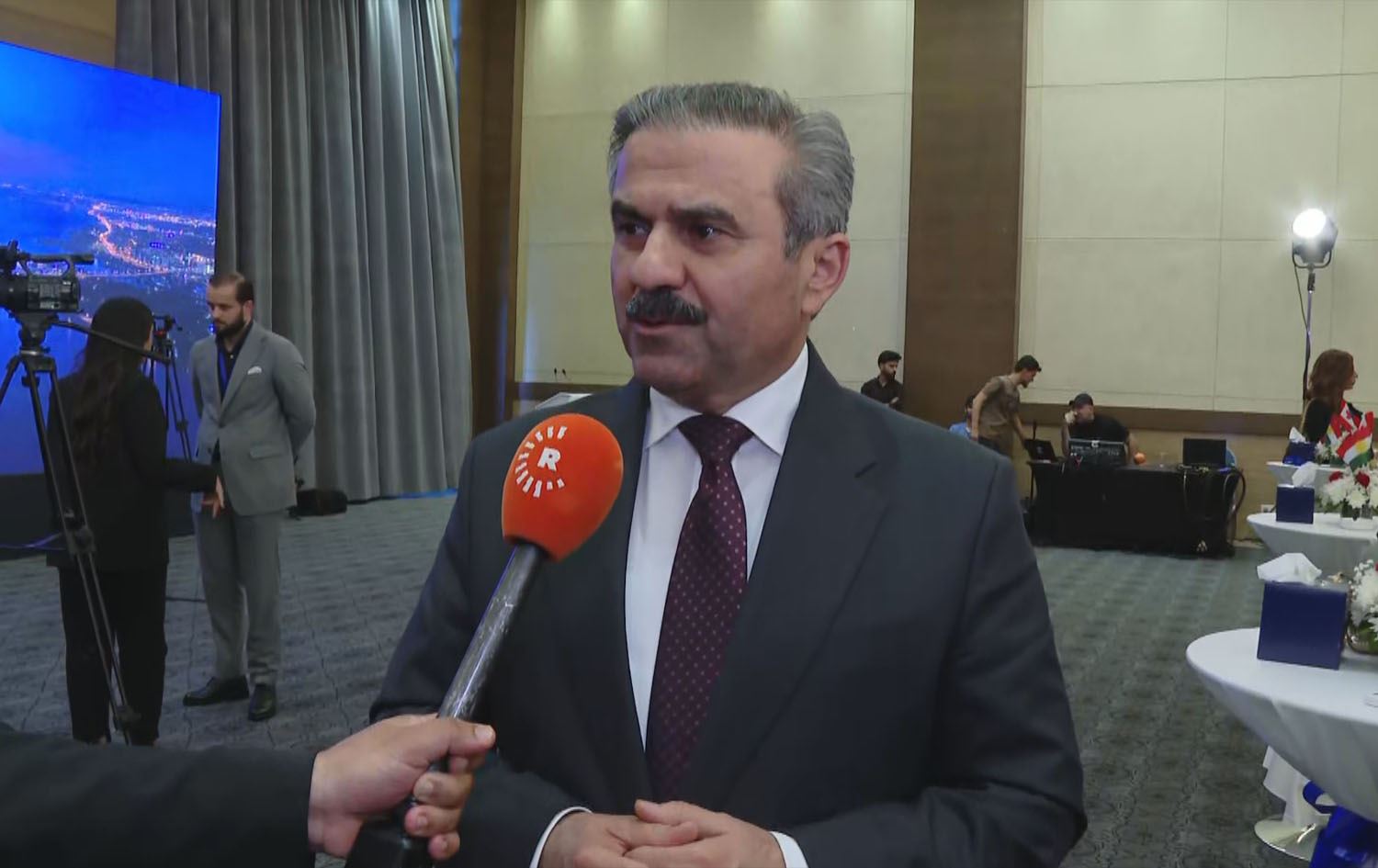
Mohammed Shukri, head of the Kurdistan Region’s Board of Investment, speaking to Rudaw on June 2, 2025. Photo: screengrab/Rudaw
ERBIL, Kurdistan Region - Two new major energy agreements with US companies will significantly increase gas and electricity production in the Kurdistan Region, laying the groundwork for industrial expansion, a top investment official said on Monday.
In May, two major energy agreements were signed between Erbil and two US companies valued at a combined $110 billion over their lifespans during Kurdistan Region Prime Minister Masrour Barzani’s visit to the US.
“The two contracts are important for us investors because gas and electricity production will increase in the Kurdistan Region,” Mohammed Shukri, head of the Kurdistan Region’s Board of Investment, told Rudaw.
The HKN Energy and ONEX Group signed a binding term sheet with the Kurdistan Regional Government (KRG) for the development of the Miran Gas Field, with another agreement with WesternZagros to develop the Topkhana-Kurdamir block in southwest Sulaimani province to produce gas.
The projects will be implemented in stages, with initial gas production aimed at meeting domestic needs while gradually expanding to support regional energy demands and spur long-term economic growth. According to the companies, the sizable reserves at Miran and Topkhana-Kurdamir are expected to enhance the Kurdistan Region’s energy security over time.
“We can benefit from the gas through industrial applications such as petrochemical, metal production, LPG, and establishing new factories,” Shukri said, adding that electricity is vital, as shortages have long held back growth in other sectors like tourism and agriculture.
The deals align with the KRG’s Runaki initiative - meaning “light” in Kurdish - which aims to provide 24-hour electricity across the Region by the end of 2026. The program has already been launched in several cities and neighborhoods.
Electricity shortages remain a persistent problem in the Kurdistan Region, driven by high demand, limited fuel supplies, and financial constraints that restrict power generation. As a result, homes, businesses, and industries continue to depend on costly and polluting private diesel generators.
Ranja Jamal contributed to this report.


Comments
Rudaw moderates all comments submitted on our website. We welcome comments which are relevant to the article and encourage further discussion about the issues that matter to you. We also welcome constructive criticism about Rudaw.
To be approved for publication, however, your comments must meet our community guidelines.
We will not tolerate the following: profanity, threats, personal attacks, vulgarity, abuse (such as sexism, racism, homophobia or xenophobia), or commercial or personal promotion.
Comments that do not meet our guidelines will be rejected. Comments are not edited – they are either approved or rejected.
Post a comment