ERBIL, Kurdistan Region – The Kurdistan Region on Saturday rolled out mobile COVID-19 vaccine clinics as it aims to vaccinate university students and educational staff to ward off another wave of infections that could devastate its fragile health sector.
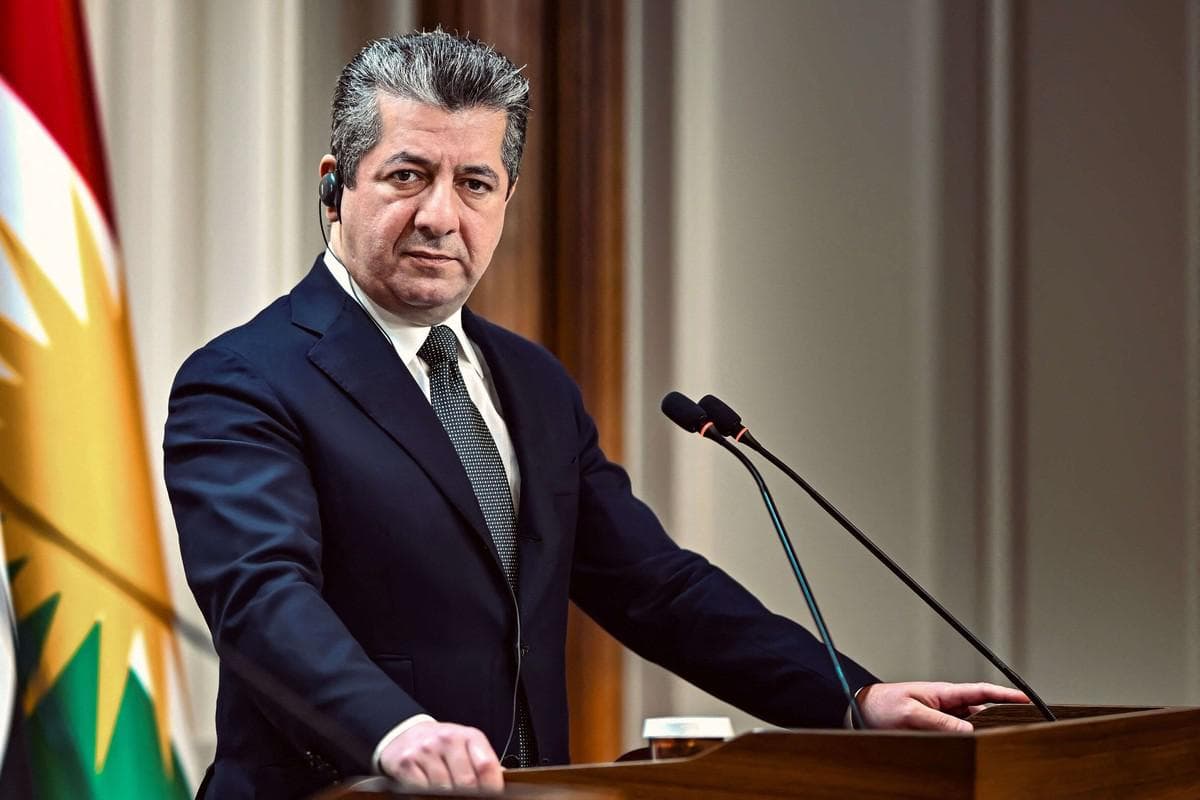
A total of 12 units, each consisting of two teams, are available across the Kurdistan Region, health minister Saman Barzinji said in a press conference. The program will run for two months.
The Region is reporting hundreds of new cases daily almost two months after teachers and students returned to classes for the new school year. Some hospitals are beyond capacity, leaving patients lying on the floor.
In a new set of rules to fight the coronavirus, the Kurdistan Regional Government (KRG) said that all teachers and students over 18 must be vaccinated by December 1. All government employees must be vaccinated by January 1, 2022. It also reinstated a Region-wide mask mandate, but the rule is widely ignored.
A third wave of the coronavirus hit the Kurdistan Region and Iraq between June and July, seeing record-high numbers of daily infections. The surge contributed to an increased demand for vaccines, but the decline in the rate of infections and misleading information has discouraged some people from getting vaccinated.
Iraq said last week it will make the Pfizer coronavirus vaccine available for children aged 12 and above. Priority will be given to high-risk groups within the age range.
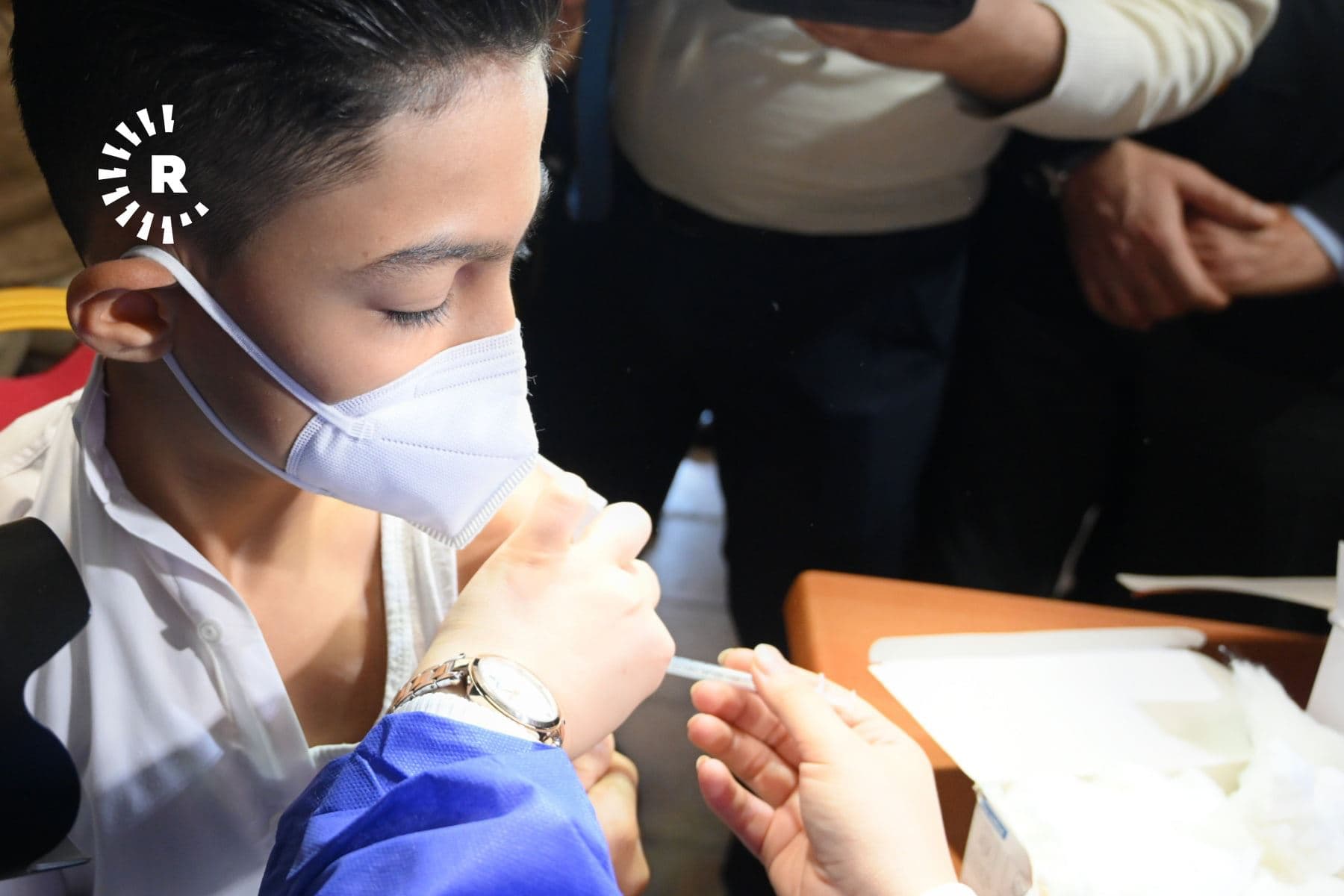
The Region has also begun the process of vaccinating teenagers. On Saturday, the first 12-year-old to get a jab received it in Erbil.
The Kurdistan Region has begun giving COVID vaccines to teenagers and today the first 12-year-old in Erbil got the jab.
— Rudaw English (@RudawEnglish) November 6, 2021
📸: Bilind T. Abdullah pic.twitter.com/uyZadc5Nz6
To date, Iraq has recorded 2,061,222 cases and 23,297 deaths since the start of the coronavirus pandemic, including in the Kurdistan Region.