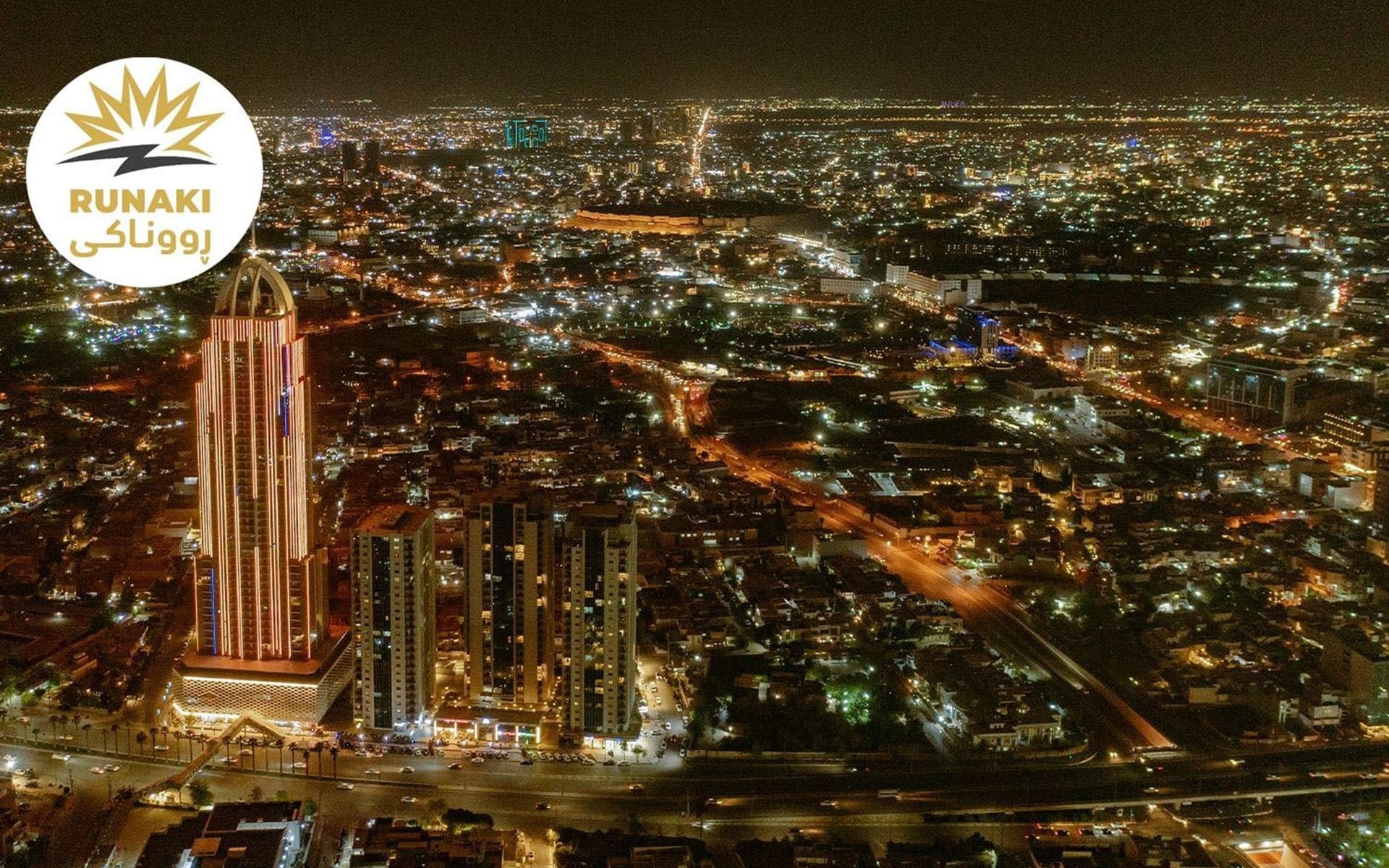

ERBIL, Kurdistan Region - More than 85 percent of households across the Kurdistan Region now have access to uninterrupted, 24-hour electricity, as the Kurdistan Regional Government (KRG) continues to expand its flagship Runaki initiative, a senior government official said.
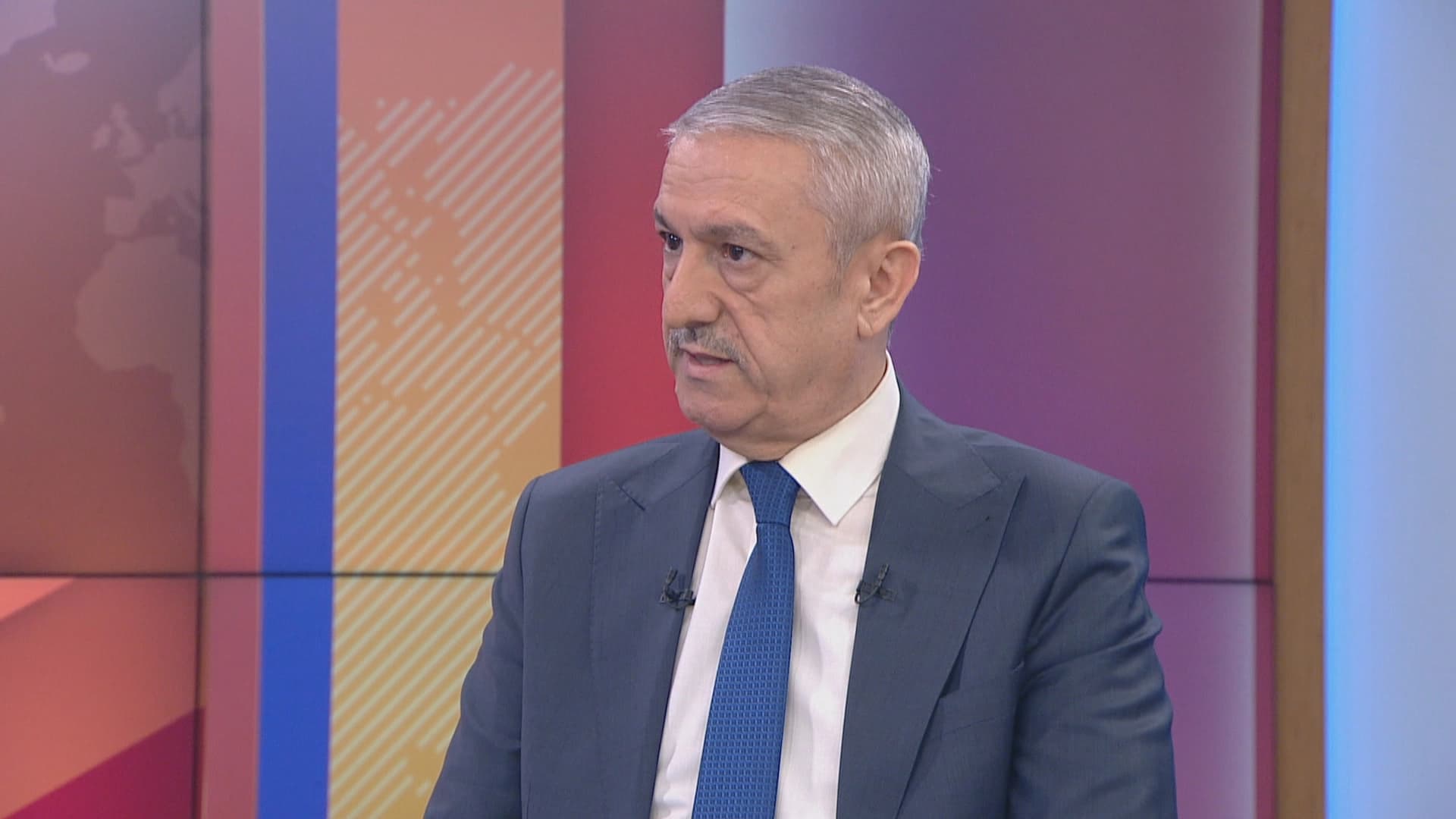
“This month alone, we switched over a million people, bringing the total to more than 5.5 million,” Aziz Ahmad, deputy chief of staff to Prime Minister Masrour Barzani, announced in a post on X.
The program, which aims to modernize the Region’s power infrastructure and eliminate reliance on private diesel generators, has made rapid progress since its initial rollout.
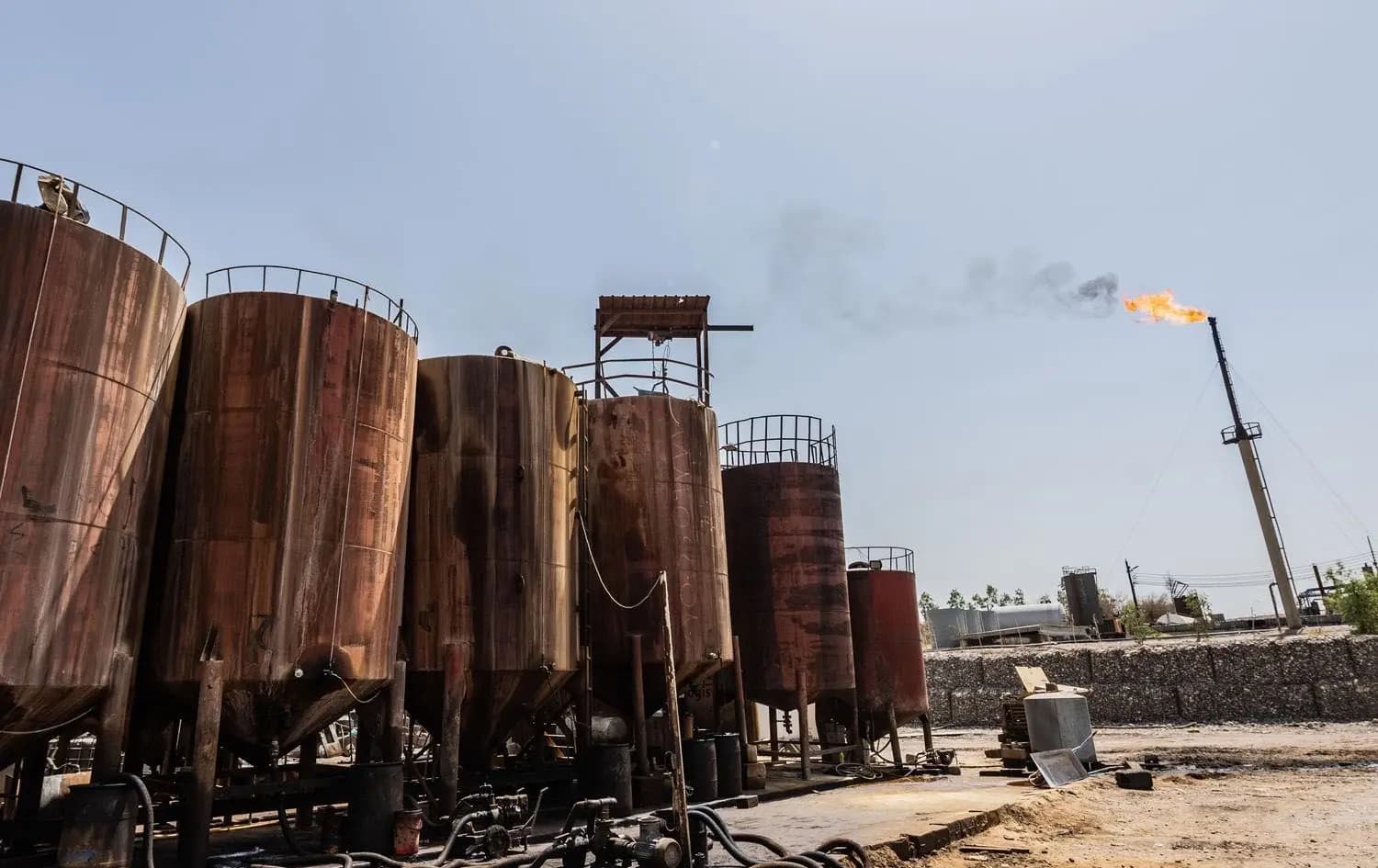
For years, households and businesses relied on costly and polluting diesel-powered generators during frequent outages from the national grid. The goal of the Runaki project is to provide round-the-clock electricity and phase out more than 7,000 private generators by the end of 2026.
The first neighborhood in Erbil was connected to the system in July 2024, marking the start of a large-scale transition toward continuous public electricity supply, Ahmad said.
He added that Prime Minister Barzani “promised reliable 24-hour electricity to every home and business by the end of 2026 - and it’s ahead of schedule.”
As part of the transition, nearly 6,000 neighborhood diesel generators have already been decommissioned.
“That’s the equivalent of taking over a million cars off the road. Our neighborhoods are cleaner, safer, and quieter as a result,” he said.
The KRG has also introduced progressive tariff measures to protect low-income households. Nearly 80 percent of customers are now paying less for electricity compared to what they previously spent on diesel-generated power, the official added.
The Runaki initiative is considered one of the Region’s most ambitious infrastructure reforms, with authorities emphasizing its role in improving quality of life, reducing environmental harm, and strengthening energy reliability.