


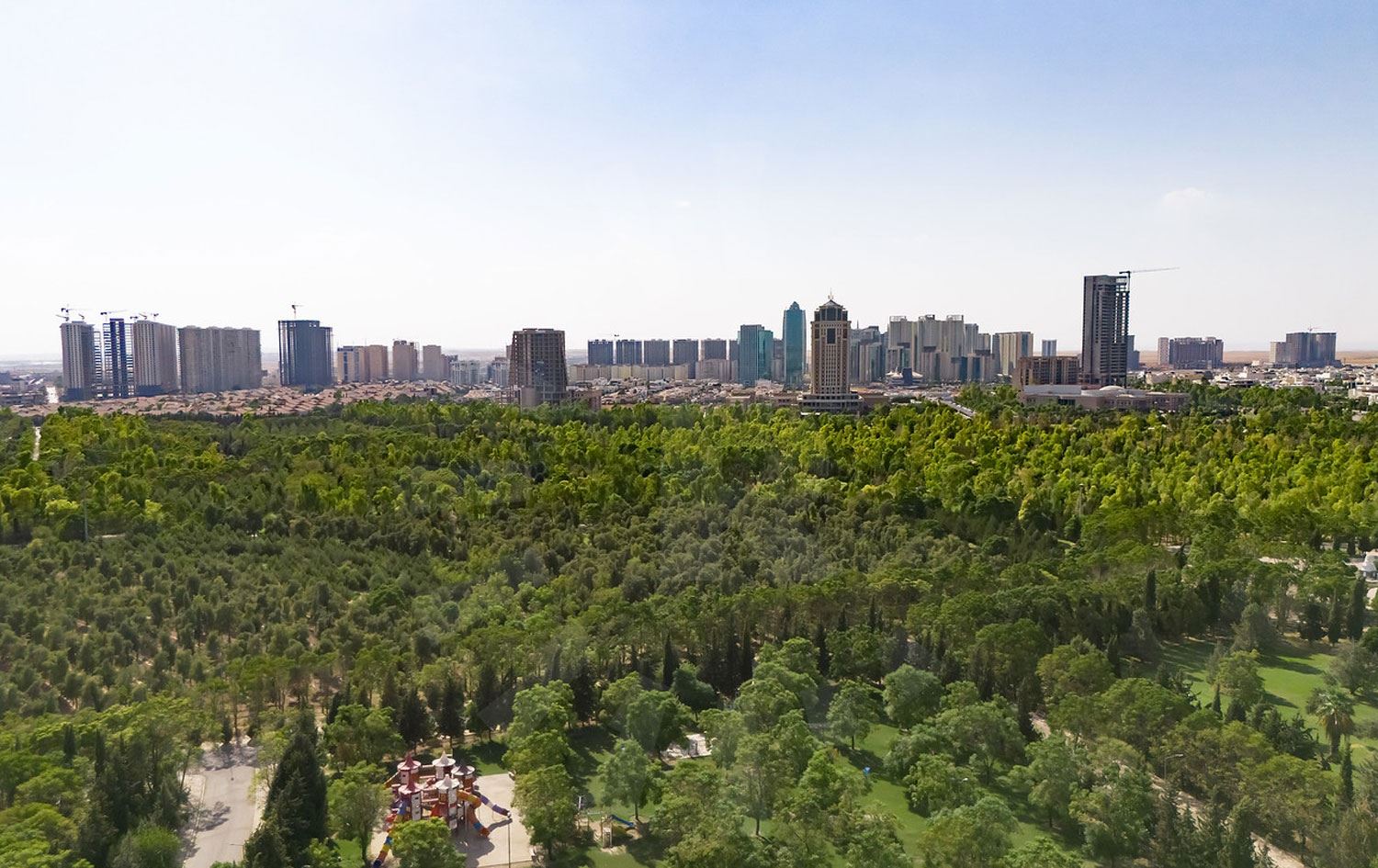
ERBIL, Kurdistan Region - Air quality in cities across the Kurdistan Region has improved compared to previous years, Kurdish authorities told Rudaw, attributing the progress to the ongoing implementation of the 24-hour Runaki power initiative, the shutdown of thousands of generators, and the closure of dozens of illegal refineries.
“More than 3,500 generators have been shut down and removed, significantly improving air quality and reducing harmful gases such as carbon dioxide and sulfur,” San’an Abdullah, spokesperson for the Kurdistan Region’s Board of Environmental Protection and Improvement, told Rudaw on Tuesday.
For years, households and businesses in the Kurdistan Region relied on costly and polluting diesel-powered private generators during frequent daily power outages.
Runaki - meaning “light” in Kurdish - is a flagship Kurdistan Regional Government (KRG) initiative designed to provide uninterrupted electricity as part of broader efforts to reform and stabilize the energy sector in the Region. Nearly four million residents of the Kurdistan Region - more than half of the population, according to the KRG’s electricity ministry - now have access to the 24-hour program.
The initiative further aims to phase out over 7,350 private generators by the end of 2026. As of now, 3,789 generators in the Kurdistan Region have been phased out, leaving 3,565 still in operation, according to Rudaw data.
Moreover, Erbil authorities in August 2024 launched a major anti-pollution campaign, ordering the closure of more than 100 illegal refineries across the province.
Erbil Governor Omed Xoshnaw then remarked that all unlicensed refineries would be shut down and warned operators they would face legal action, describing the move as a crucial step toward improving the capital’s worsening air quality.
For his part, Abdullah told Rudaw that “there were 138 refineries in Erbil; so far, 85 of them have been closed.” He added that the remaining refineries “must comply with environmental conditions and guidelines otherwise, they will also face closure.”
He outlined key requirements for the facilities, including installing air filters, establishing water and waste treatment systems, operating laboratory units and expanding greenery around refinery sites.
On vehicle pollution, Abdullah urged strict compliance with air quality guidelines, noting that “inspection companies, authorities, and the traffic police are working together to curb harmful exhaust emissions and prevent the release of polluting smoke.”
Of note, the KRG has introduced several measures to promote the adoption of hybrid and electric vehicles, aimed at reducing air pollution and modernizing the region’s transportation system.
One of the most impactful steps is the full waiver of customs duties on electric vehicles.
Additionally, the KRG has removed registration and annual environmental fees for electric cars. A directive signed by Interior Minister Rebar Ahmad in February made first-time registration of EVs free and exempted owners from recurring environmental fees.


Comments
Rudaw moderates all comments submitted on our website. We welcome comments which are relevant to the article and encourage further discussion about the issues that matter to you. We also welcome constructive criticism about Rudaw.
To be approved for publication, however, your comments must meet our community guidelines.
We will not tolerate the following: profanity, threats, personal attacks, vulgarity, abuse (such as sexism, racism, homophobia or xenophobia), or commercial or personal promotion.
Comments that do not meet our guidelines will be rejected. Comments are not edited – they are either approved or rejected.
Post a comment