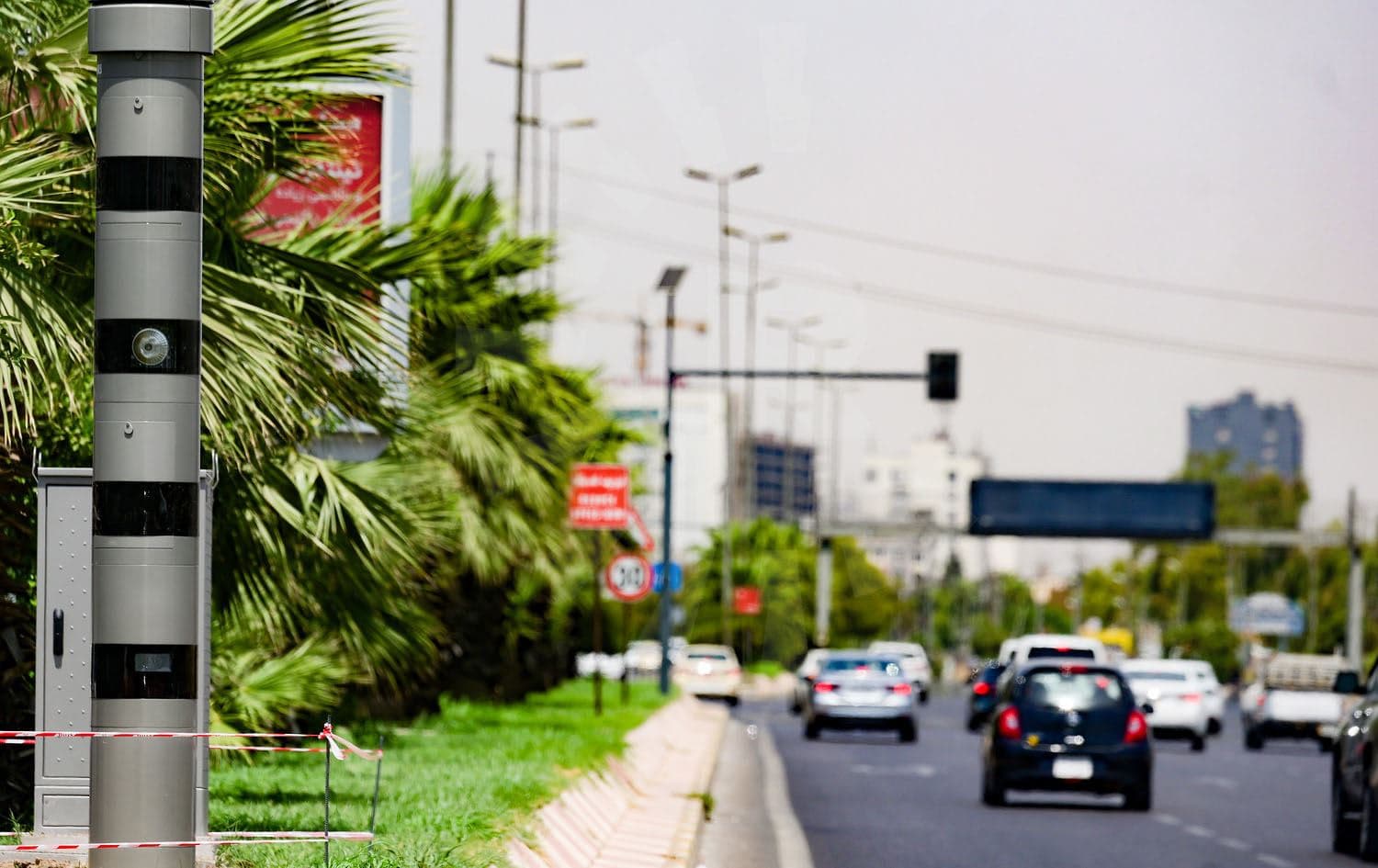
ERBIL, Kurdistan Region - Traffic fatalities in the Kurdistan Region have dropped by 78 percent over the past two years, with the number of deaths falling from 445 in 2022 to 98 in 2024, according to the Region’s Interior Ministry. Officials have credited the decline to road improvements and the installation of new traffic cameras.
Statistics from the Kurdistan Region’s interior ministry, obtained by Rudaw, reveal that 779 traffic accidents occurred across the Kurdistan Region in 2024, resulting in 98 deaths and 1,437 injuries.
While data for 2023 was unavailable, figures from 2022 showed that 3,706 accidents were recorded that year, leading to 445 fatalities and 7,250 injuries.
Accordingly, between 2022 and 2024, traffic fatalities in the Kurdistan Region dropped by 78 percent, from 445 to 98, while the number of traffic accidents also decreased from 3,706 to 779 incidents.
Commenting on the notable drop, Lieutenant Colonel Saman Ali of the Kurdistan Region’s Traffic Police, told Rudaw on Tuesday that “the installation of point-to-point and speed recording cameras have been key in reducing traffic accidents.”
Ali further highlighted that “the improvement of city roads and highways, many of which have been upgraded to dual carriageways, along with the active role of traffic directorates in raising awareness and regulating traffic, have contributed significantly to the decline in accidents.”
In 2020, there were 2,413 traffic accidents in the Kurdistan Region, with the highest number recorded in Sulaimani (1,019), followed by Erbil (748) and Duhok (646). By comparison, 1,333 accidents were reported in 2018, resulting in 265 fatalities and 1,394 injuries.
Car accidents are a common occurrence in the Kurdistan Region.
A 2018 World Health Organization (WHO) report highlighted road traffic injuries as the leading cause of death for people aged 5 to 29 worldwide. The report also noted that in 2016, Iraq and the Kurdistan Region had a traffic fatality rate of 20.7 per 100,000 population in 2016.