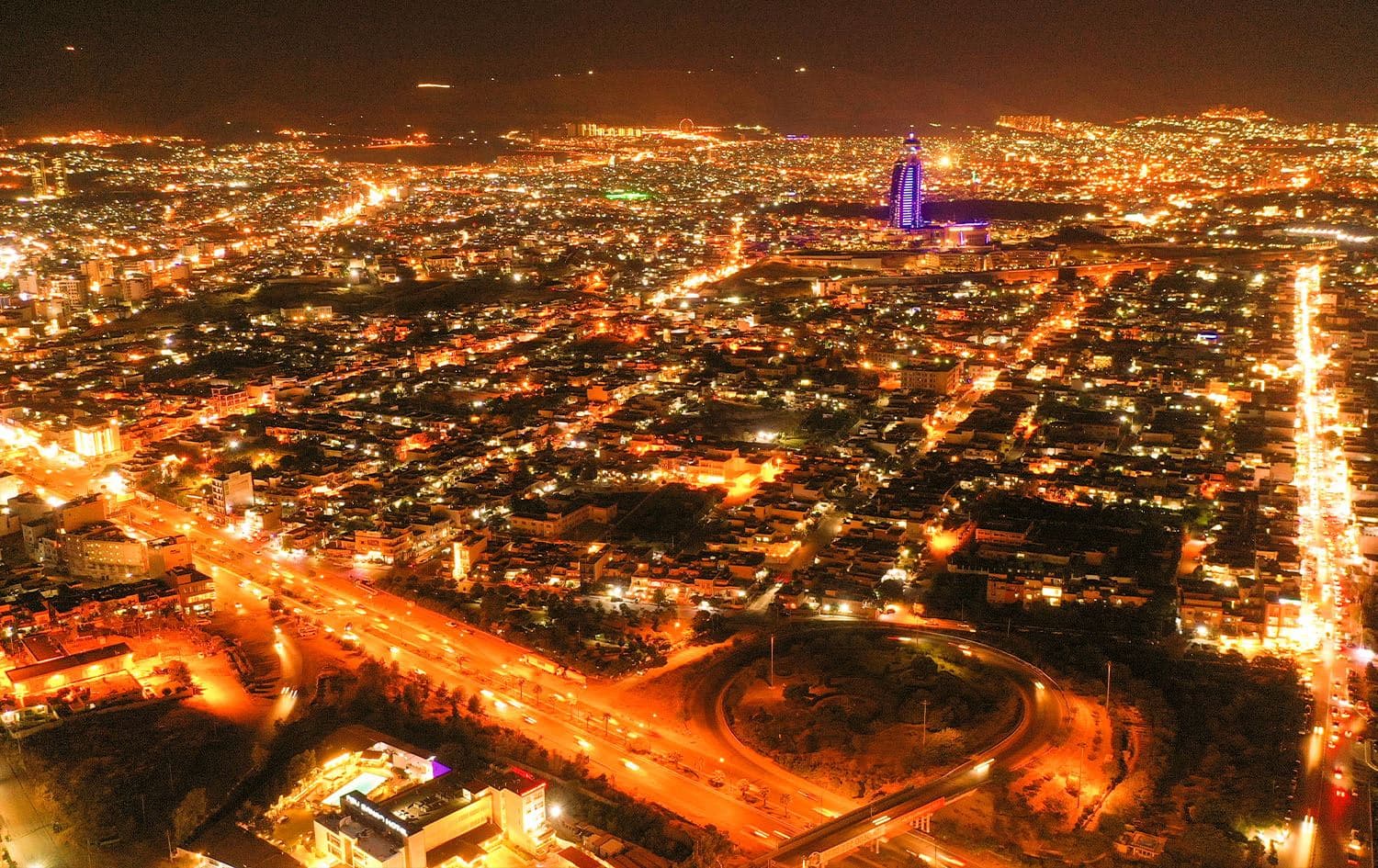

ERBIL, Kurdistan Region - Solar power generation is on the rise in Sulaimani. Iraq’s largest solar power station will be opened in the province next month and hundreds of households are already using private solar panels.
“Sulaimani is leading the provinces of the Kurdistan Region in electricity production through solar energy, where 740 subscribers are registered and produce electricity from solar energy, in addition to many others who have not registered themselves,” Sirwan Mohammed, spokesperson for the Sulaimani Electricity Directorate, told Rudaw on Saturday.
Mohammed said that these 740 users produce 20 megawatts of electricity monthly.
He also announced that in June, the largest solar power station in Iraq and the Kurdistan Region will open. The station was built by Delta Cement and will have the capacity to produce 50 megawatts of electricity.
The Iraqi government is encouraging people to go solar as part of efforts to reduce greenhouse gas emissions and address chronic electricity shortages that have long plagued the country, especially during the scorching summer months when temperatures soar above 50 degrees Celsius, driving up power consumption.
The Central Bank offers low-interest loans for people and businesses wanting to install solar panels. People can apply for the loans through the tamwil.iq platform or any other approved electronic platform. The banks will provide the loans to companies specializing in solar panel systems, which will handle the installation, maintenance, and upgrades of the systems.
Unreliable electricity is a frequent headache in the Kurdistan Region because of issues such as high demand, financial problems, and fuel shortages. Hydroelectric dams also often operate below capacity because of low water levels.
When the national supply cuts out, people rely on private diesel-fueled generators that are costly and polluting. The Kurdistan Regional Government is working to provide round-the-clock power to everyone in the region by the end of 2026 through its Project Runaki.