


Kurdistan

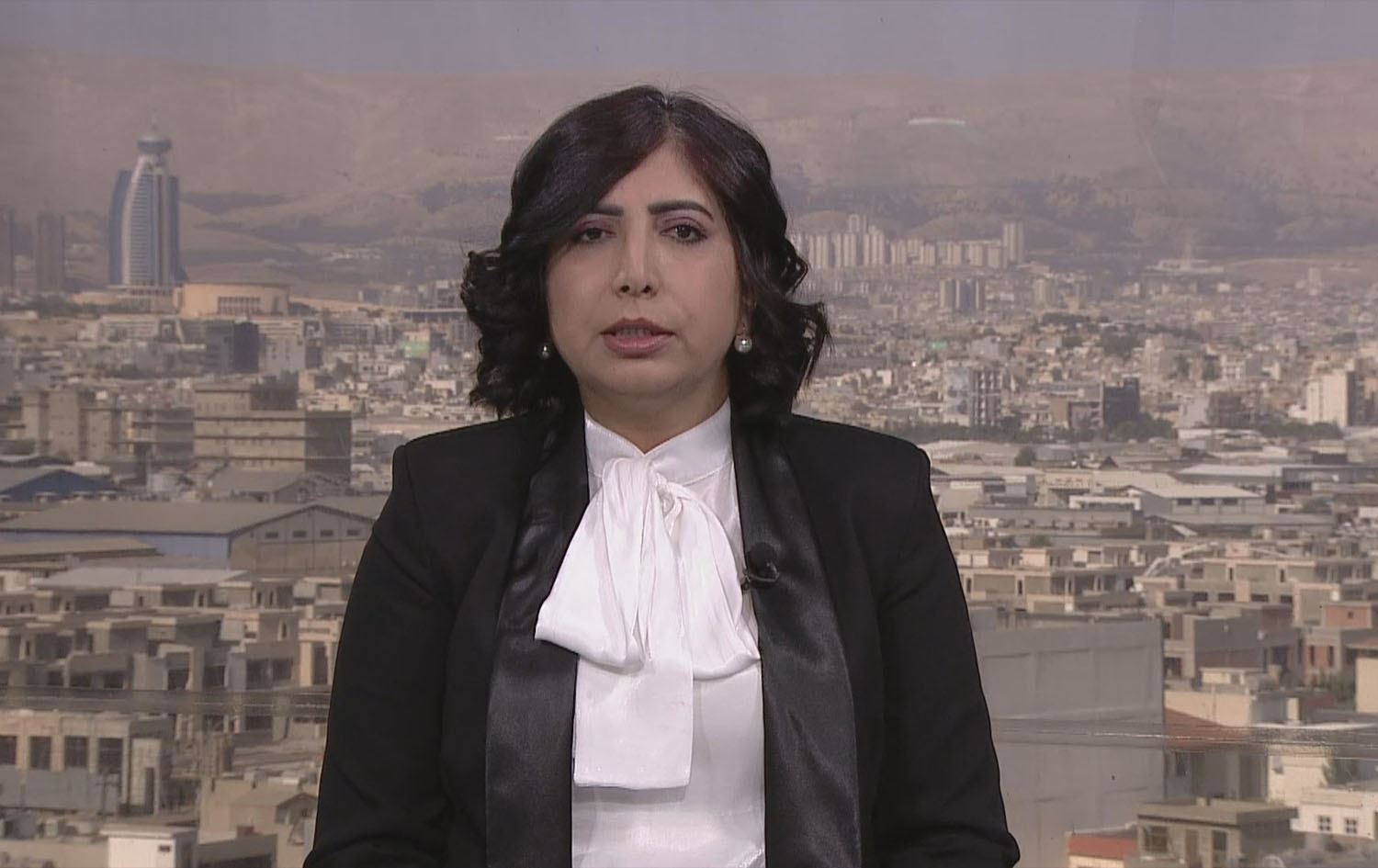
Basoz Towfiq, PhD student and journalist speaks to Rudaw in Sulaimani on June 17, 2025. Photo: Screengrab/Rudaw
ERBIL, Kurdistan Region - A Kurdish PhD student returned to Sulaimani late Monday after fleeing Tehran, describing scenes of panic, shortages, and sleepless nights as conflict between Israel and Iran intensified in the Iranian capital. Towfiq said she was among a group of students told by Iranian authorities to leave the country immediately after universities were ordered to shut down and airports closed.
“We were able to escape the war in Iran and arrived in our country. Our university is located downtown. We were aware of the fighting in Tehran,” Basoz Towfiq told Rudaw’s Fuad Rahim on Tuesday.
“I was at the Azadi terminal at around 06:30 am, waiting for the bus. We left Tehran at 8 am and arrived at home in Sulaimani at 9 pm,” she said.
Towfiq, who is also a journalist, said authorities like the ministry of education in Iran, the university personnel and others had notified foreign students to leave the country immediately.
Since airports are closed, the students had to take buses to the border with the Kurdistan Region. They were also short on money as the banks would only withdraw around $7-8 from their accounts.
“We were notified by many parties that we should return by land as soon as possible,” she said.
According to Towfiq, the Iraqi embassy was in constant contact with their nationals who were studying in Tehran. Before telling them to evacuate the city, the embassy told them not to go outside and to buy what they need online. She noted that the embassy had also requested students to notify them if they needed money.
The PhD student’s campus was in area three of central Tehran - a place she described as one of the first places Israel started bombing. She said that they could hear and see the bombs exploding clearly from their dorms.
“Even yesterday when I got home I could not sleep well as there was still some shock from the fighting. I kept looking out the window, I still felt like I was in the middle of the war in Iran.”
As for the markets, she described them as chaotic. There was a shortage of bread and people lined up at gas stations where each individual could only receive 10-15 liters of fuel. It was also difficult to find bus tickets.
The biggest issue, besides the economy, was the internet, she said.
Additionally, students from further places like China are still stranded in Iran as they cannot return home.
Tensions between Israel and Iran boiled over on Friday after Israel carried out extensive airstrikes in Iran, killing senior military commanders and nuclear scientists. In response, Iran launched missile salvos and deployed scores of drones against Israel.
According to Israeli authorities, so far, at least 24 civilians have been killed and 592 injured. In Iran, authorities reported 224 people killed and 1,277 injured.


Comments
Rudaw moderates all comments submitted on our website. We welcome comments which are relevant to the article and encourage further discussion about the issues that matter to you. We also welcome constructive criticism about Rudaw.
To be approved for publication, however, your comments must meet our community guidelines.
We will not tolerate the following: profanity, threats, personal attacks, vulgarity, abuse (such as sexism, racism, homophobia or xenophobia), or commercial or personal promotion.
Comments that do not meet our guidelines will be rejected. Comments are not edited – they are either approved or rejected.
Post a comment